Where there is a plant factory, there is Opticlimatefarm.
Language
Indoor vertical farming is the practice of growing crops stacked one above another in a closed and controlled environment. Vertical farms are unique in that some setups don’t require soil for plants to grow. Similar to conventional farming, vertical farming also needs nutrients for plants to grow healthy. However, vertical farming depends on carefully controlled nutrient solutions to support plant growth, while traditional farming depends on soil to supply nutrients. Plant health, growth and productivity depends heavily on these nutrients and any imbalance can result in low yield. Learning about macro and micro nutrients, their roles, and how to manage them in a soilless setup is a crucial first step for anyone new to the world of vertical farming. In order to help your vertical farm succeed right away, this guide will teach you the fundamental nutrients you need, how to apply them and best practices.
Plant require specific nutrients for healthy development and maximum yield. Nutrients provide building blocks for photosynthesis, metabolism, cell division and resistance to stress and diseases. These nutrients are divided into two main groups which macronutrients and micronutrients.
Macronutrients are the nutrients required by the plants in large amount. These nutrients are the building block of plant growth. These are divided in primary and secondary macronutrients.
The primary macronutrients are:
Nitrogen (N): A major component of protein, hormones, chlorophyll, vitamins and enzymes essential for plant life and genetic material. The deficiency symptoms are yellowing of leaves stunted growth.
Phosphorus (P): An important component of ATP, major ingredient in amino acids and cell membrane. Phosphorus is very important for seed germination. Retarded growth, poor flowering and pre-mature drop of flowers and fruits are the deficiency symptoms of phosphorus.
Potassium (K): It is necessary for the formation of sugar and starch in the plant. Potassium also involves in protein synthesis and cell division. It also regulate opening and closing of stomata. Mottled or curled leaves and leaf yellowing between veins are the deficiency symptoms.
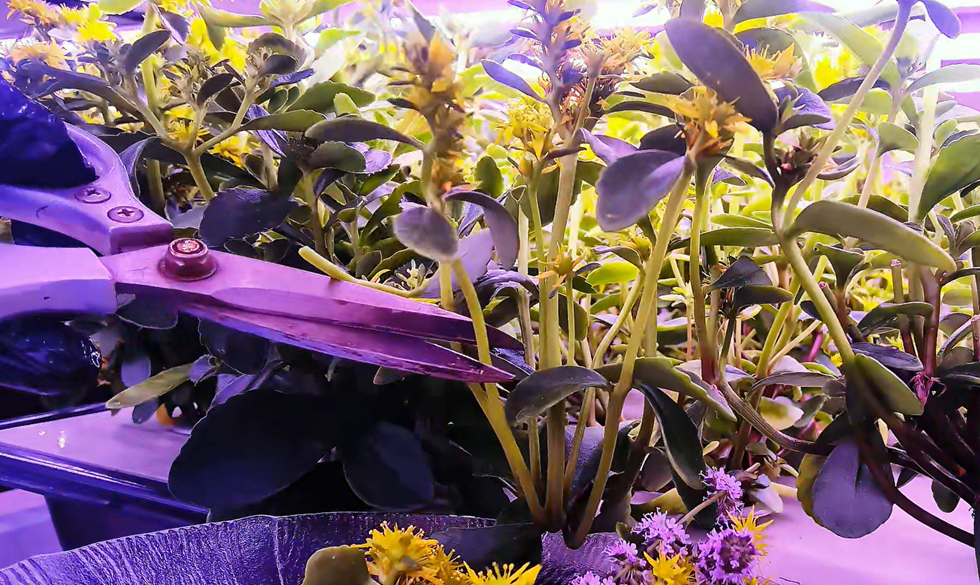
The secondary macronutrients are:
Calcium (Ca): Important structural component of cell wall and influences water movement in cells. The deficiency symptoms are growth inhibition and leaf tip and root tip burn.
Magnesium (Mg): Key component of the chlorophyll molecule and involve in enzymatic reactions. The deficiency symptom is yellow bands between leaf veins.
Sulfur (S): Sulfur is a component of amino acid, proteins and enzymes. The deficiency symptom is leaves urn light green.
These are the nutrients which are required in minimum amount but these nutrients are also very important for the plant.
Iron (Fe): involves in the formation of chlorophyll. The deficiency symptom is yellowing of young leaves.
Manganese (Mn): It is require for respiration and photosynthesis. Manganese increase plant tolerance to high light intensity. The deficiency symptoms is chlorotic mosaic patterns on leaves.
Boron (B): It is necessary for cell wall formation and reproduction. The deficiency symptoms are impaired growth broken stems and death of shoot tips.
Zinc (Zn): It is a functional cofactor in many enzymes. Essential for carbohydrates metabolism.
The deficiency symptom is mottles leaves with irregular chlorotic areas:
Copper (Cu): Involve in nitrogen and carbohydrates metabolism. Component of several enzymes. The deficiency symptom is brown spot on terminal leaves.
Molybdenum (Mo): It is involve in many enzymes and is closely linked with nitrogen metabolism. The deficiency symptom is pale green leave with rolled.
Chlorine (Cl): It is necessary for the regulation of osmotic pressure and photosynthesis.
Soil is not available in indoor vertical farming. So nutrients will be applied directly to the roots of plant. To attaining this, several soilless growing system such as drip irrigation, aeroponics, hydroponics and nutrient film technique will be used. These systems are designed to efficiently distribute nutrients.
Drip irrigation is most widely used irrigation system in indoor farming. This system deliver water and nutrients directly to each plant through a network of drip lines and emitters, ensuring that every plant receives the exact amount it needs.
Aeroponics is a method of growing plants without soil. In this method plants are suspended in the air and misting their roots with a nutrient solution. This method promotes rapid growth and efficient nutrient absorption. The delivery method requires fine misting to ensure even distribution and absorption.
Hydroponic is also an innovative technique of soilless farming that offer efficient and sustainable method of growing crops. In hydroponics, plants are grown in a nutrient rich water solution which allow precise control over nutrients delivered to plants ensuing they receive the optimal mix for growth.
It is a hydroponic technique in which the plants stand in a shallow streams of water containing all the dissolved nutrients necessary for plant growth. This water flow and circulated through growth tanks containing roots of the plants which absorb nutrients.
Irrespective of the nutrients delivery system, the two important factors must be managed carefully which are pH and Electrical conductivity. Keeping the optimal pH is essential to confirm the availability of the nutrients for absorption to the plant. Similarly, Electrical conductivity (EC) refers to the ability of nutrient solution to conduct an electric current. The higher the EC value, the more concentration the solution is, which can have both positive and negative effects on plant growth.
Due to the absence of soil in indoor vertical farming, nutrients imbalance can have direct impact on the plant growth. Therefore it is important to understand and accomplish this imbalance for healthy plant growth.
The main reasons of nutrient imbalance and deficiency are pH and electrical conductivity. A pH level that is too high or too low can prevent nutrient uptake and lead to deficiency. Similarly, the low EC of used nutrient solution leads to suppressed plant growth, while on the other hand excessive use of nutrient and high EC levels does not only create higher costs to the farmers but can also toxic for plants.
To correct deficiencies, diagnose the accurate nutrient which is lacking from the symptoms and then regulate the solution accordingly. Additionally with the use of quality fertilizers, clean system, checking the EC and pH regularly the nutrient can be managed is a better way.
Implement strategies to prevent future nutrients imbalance, such as regular monitoring of nutrient solution, maintaining proper pH and EC levels and providing adequate aeration to the grow room. This proactive approach can help minimize the risk of nutrient deficiencies occurring in the future.
It can look devastating for newcomers to the world of indoor vertical farming to manage nutrients. Nevertheless, a few easy best practices can help the process run more easily and efficiently.
A balance commercial nutrient solution made especially for soilless or hydroponic systems should be used as a starting point. These solution help lower the risk of nutrient imbalance because they are accurately designed to fulfill the basic requirements of the majority of crops.
Make regular use of reliable meters to check Electrical Conductivity (EC) and pH. Keeping the pH between 5.5 and 6.5 promises that nutrients are available for absorption. The strength of nutrient solution with the help of EC. If it is too high, it can be toxic and too low, it can result in deficiencies. Monitoring your plants consistently helps you understand how they react over time and avoids unexpected problems.
Daily plant observation is essential. They frequently exhibit nutrient stress symptoms before it becomes a major issue. Discoloration, yellowing and curling of leaves are the early signs that require quick attention. Early detection of these symptoms allows you to make necessary correction before they have a major impact on plant health.
Clean and flush your system frequently to avid sat accumulation and algae growth. A clean environment ensures long-term success for your vertical farming business by promoting strong rots and effective nutrient absorption.

Copyright © 2026 OPTICLIMATE FARM LIMITED - opticlimatefarm.com All Rights Reserved.

