Where there is a plant factory, there is Opticlimatefarm.
Language
Dive into vertical farming! Learn how to start your own indoor farm, maximize yields, and grow fresh produce year-round. Get started today!
Want to grow fresh food, but traditional farming feels out of reach? Many of us think we need acres of land or perfect weather. That's simply not true anymore. Imagine harvesting your own produce, right inside your home, no matter the season.
We'll show you how to make it happen. This article helps you launch your own vertical farming setup, solving common space and climate challenges.
You might wonder why you should consider vertical farming. Traditional agriculture faces big challenges. Think about the massive amounts of water used or the long distances food travels to reach your plate. Vertical farming cuts through these issues. It's a game-changer for growing food, making it more efficient and sustainable.
We save a ton of resources with vertical farming. You use significantly less water compared to conventional methods, sometimes as much as 95% less. This is because the water recirculates, giving your plants exactly what they need without waste. Plus, by growing indoors, you eliminate the need for harsh pesticides. That means cleaner food for you and a healthier planet for all of us.
Consider your local grocery store. Most produce there travels hundreds, if not thousands, of miles. This adds to carbon emissions and means your veggies aren't always at their freshest. With vertical farming, you grow food where you live. This dramatically reduces transportation costs and carbon footprint, giving you fresh, nutrient-rich food practically at your fingertips. It's about bringing the farm to the city.
Your choice depends on your space, budget, and what you want to grow. We'll look at the most common types so you can pick the perfect fit.
You'll generally encounter three main vertical farming systems: hydroponics, aeroponics, and aquaponics. Each has its own strengths and weaknesses. Understanding these will help you make an informed decision.
● Hydroponics: This is probably the most popular method for vertical farming. Plants grow in nutrient-rich water instead of soil. You can use different setups, like nutrient film technique (NFT) systems where water flows in a thin layer over the roots, or deep water culture (DWC) where roots are submerged. Hydroponics is relatively simple to start and offers excellent control over nutrient delivery. It's a great option for leafy greens, herbs, and even some fruiting plants like strawberries.
● Aeroponics: With aeroponics, plant roots hang in the air, and a mist delivers nutrients directly to them. This method uses even less water than hydroponics and can lead to faster growth rates because the roots get more oxygen. However, aeroponics systems are usually more complex and require precise control over the misting cycles. They are fantastic for rapidly growing crops and can maximize space efficiency.
● Aquaponics: This system combines aquaculture (raising fish) with hydroponics. Fish waste provides nutrients for the plants, and the plants filter the water for the fish. It's a symbiotic relationship that creates a self-sustaining ecosystem. Aquaponics can be more challenging to set up and balance initially, but once established, it's incredibly sustainable. You get both fresh produce and fish!
Think about your space. Do you have a small corner in an apartment, or a dedicated room? For smaller areas, a compact hydroponic tower might be ideal. If you have more room and want to experiment, an aeroponic or even a small aquaponic system could be exciting.
Consider your budget too; entry-level hydroponic kits are quite affordable, while larger, more automated systems will cost more. We recommend starting smaller and scaling up once you get the hang of it.
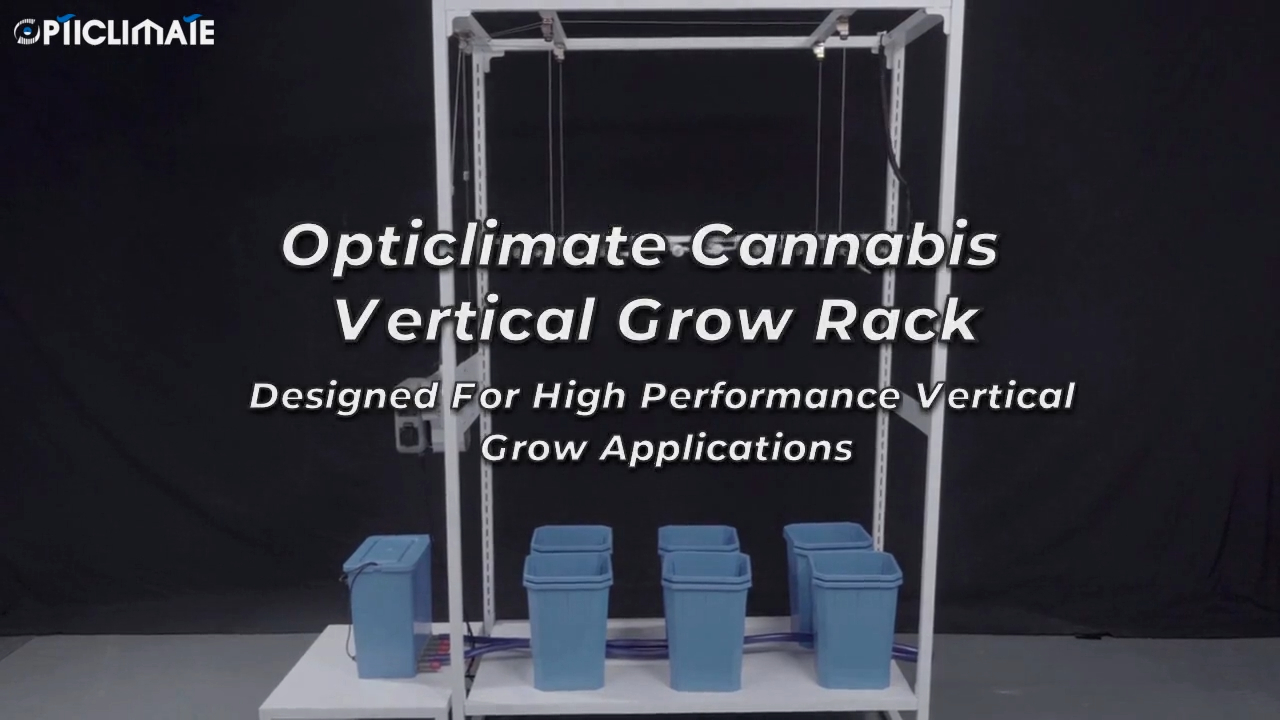
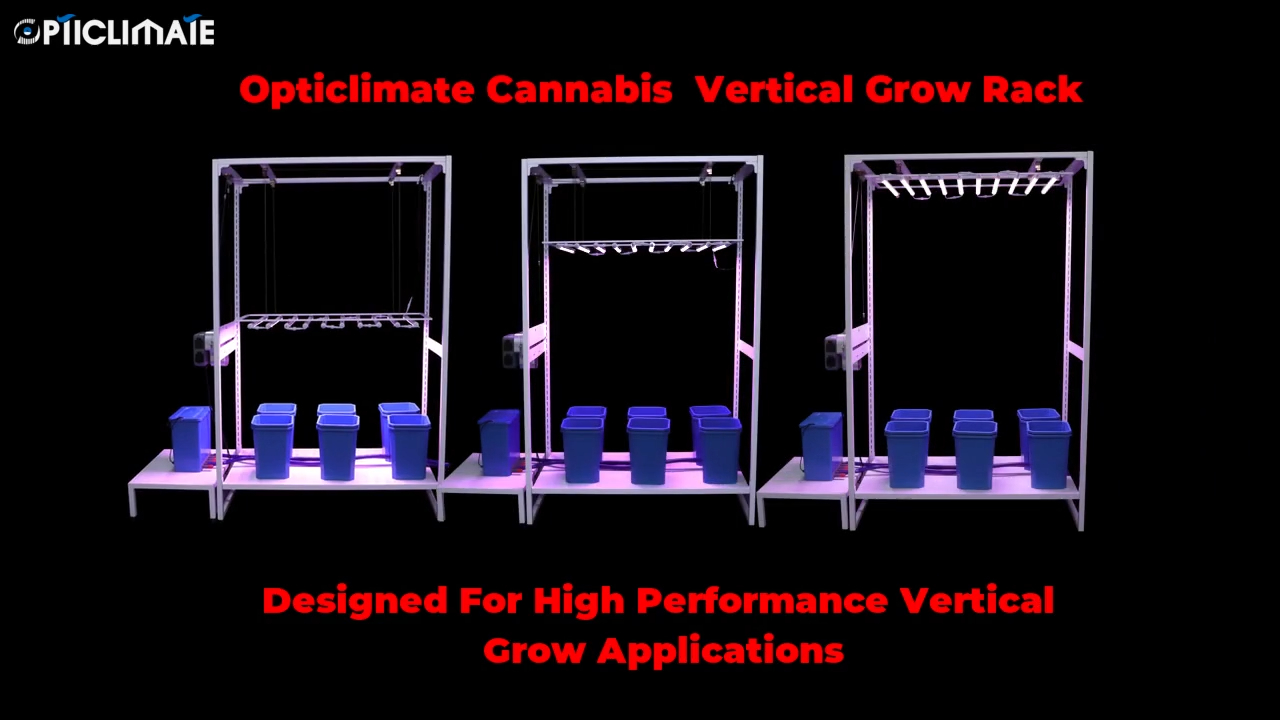
You'll need a solid growing structure. This could be a vertical tower, a stacked rack system, or even a wall-mounted unit. The best choice depends on your chosen method (hydroponics, aeroponics, aquaponics) and your available space. We recommend looking for durable, food-grade materials to prevent any issues with your produce.
Next up, lighting. Since your plants are indoors, they won't get natural sunlight. This means you need artificial grow lights. LED grow lights are incredibly popular for vertical farming. They are energy-efficient, produce less heat, and you can get them with specific light spectrums optimized for plant growth. For leafy greens, a cooler, bluer spectrum works well. For flowering plants, you might want more red light. Consider lights with adjustable intensity or timers for precise control.
Water delivery is critical for all vertical farming systems. You'll need a reservoir to hold your nutrient solution and a pump to circulate it to your plants. The size of your reservoir depends on your system's scale. A good pump ensures consistent nutrient delivery and prevents stagnation. For aeroponic systems, you'll also need specialized misting nozzles to deliver fine nutrient sprays to the roots.
Here's a quick checklist of other important items:
● Nutrients: Plants need specific nutrients to grow. You'll buy these as a concentrated solution or powder, then mix them with water in your reservoir. Always follow the manufacturer's instructions for mixing ratios.
● pH Meter and Adjusters: The pH level of your nutrient solution is vital. Plants absorb nutrients best within a specific pH range. A pH meter lets you check the levels, and pH Up/Down solutions help you adjust them.
● EC Meter (Electrical Conductivity Meter): This tool measures the concentration of nutrients in your solution. It helps you know when to replenish or change your nutrient mix.
● Air Pump and Air Stone (for hydroponics/aquaponics): These keep your nutrient solution oxygenated, which is crucial for root health and preventing issues like root rot.
● Fans: Good air circulation prevents mold and mildew and strengthens your plants. Small oscillating fans work wonders inside your growing area.
● Timers: Automate your lights and pumps with timers. This saves you time and ensures your plants get consistent care.
Choosing quality equipment from the start saves you headaches down the road. We suggest doing some research and reading reviews before making a purchase. Investing a little more upfront can lead to much better results and a more enjoyable vertical farming experience.
You've explored the exciting world of vertical farming, from understanding its benefits to selecting your system and gathering essential gear. We've shown you how this innovative approach tackles traditional farming challenges, saves resources, and brings fresh, healthy food closer to home. It's about empowering you to grow your own.
Starting your vertical farming journey might seem like a big step, but it's a rewarding one. You gain control over your food source, reduce your environmental footprint, and enjoy fresh, delicious produce year-round. Think of the satisfaction of harvesting your own greens or herbs, knowing exactly where they came from.
Ready to dig in? We encourage you to visit our website, OptiClimate Farm, for more in-depth resources and to explore products that can help you kickstart your vertical farming adventure.

Copyright © 2026 OPTICLIMATE FARM LIMITED - opticlimatefarm.com All Rights Reserved.

