Where there is a plant factory, there is Opticlimatefarm.
Language
Discover innovative methods to drastically reduce energy consumption in vertical farming. Learn how to grow more with less power!
Is your vertical farm consuming more power than a small city? You’re not alone. Many vertical farming operations struggle with high energy costs, which can eat into profits and make sustainability a pipe dream. But what if we told you there are proven ways to slash that energy bill without sacrificing yield?
We'll show you how to build a more efficient vertical farming system.
Lighting is often the biggest energy hog in vertical farming. We pour tons of power into our grow lights, hoping for bountiful harvests. But are you getting the most out of every watt? We often find that many setups are simply inefficient, wasting light and driving up your bills.
You can make some smart changes to cut down on that energy use. Think about the type of lights you use, how you arrange them, and even when they turn on and off. A small tweak here can lead to big savings.
Many vertical farming operations still rely on older, less efficient lighting. This is a missed opportunity for significant energy reduction. Modern LED technology has come a long way, offering superior efficiency and tunable spectra.
Consider making the switch to LEDs if you haven't already. They use far less electricity than traditional high-pressure sodium (HPS) or metal halide (MH) lamps. Plus, LEDs produce less heat, which in turn reduces the burden on your cooling systems. It's a win-win for vertical farming efficiency.
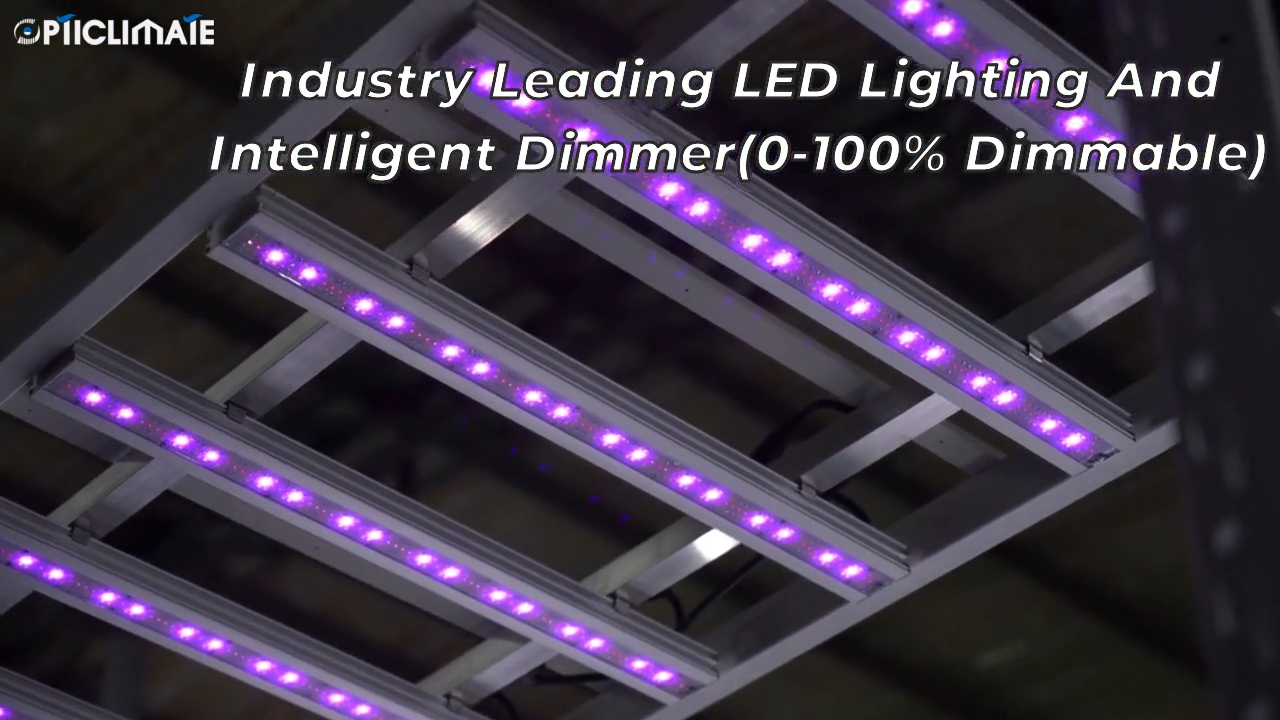
It's not just about how bright your lights are; the color of the light also matters. Plants absorb different wavelengths of light at different stages of growth. Giving them exactly what they need, when they need it, means less wasted energy.
We recommend a balanced spectrum for vegetative growth, with more blue light. For flowering, shift towards more red light. Some advanced LED systems let you adjust this spectrum throughout the plant's life cycle. This approach, known as spectral tuning, can significantly improve your vertical farming energy usage.
Where you put your lights can impact how much energy you use. If the lights are too far from your plants, much of that light energy dissipates before it even reaches the leaves. This means you crank up the intensity, using more power than necessary.
Bring your lights closer to the canopy, but be mindful of heat. With LEDs, you can usually place them much nearer without risking heat stress. This proximity allows you to use lower wattage lights while still providing ample photosynthetic photon flux (PPF). You’ll see a real difference in your vertical farming energy consumption.
Running your lights 24/7 is a surefire way to skyrocket your energy bill. Plants need darkness, too. Mimicking natural day-night cycles not only saves energy but can also improve plant health and yield.
Implement photoperiods that match your crop's needs. Use timers or smart controllers to automate these cycles. Even better, consider dimmable lights. When plants are young or less light-demanding, you can dial down the intensity. This simple step can drastically reduce your vertical farming operational costs.
Lighting is often the biggest energy hog in vertical farming. We pour tons of power into our grow lights, hoping for bountiful harvests. But are you getting the most out of every watt? We often find that many setups are simply inefficient, wasting light and driving up your bills.
You can make some smart changes to cut down on that energy use. Think about the type of lights you use, how you arrange them, and even when they turn on and off. A small tweak here can lead to big savings.
Many vertical farming operations still rely on older, less efficient lighting. This is a missed opportunity for significant energy reduction. Modern LED technology has come a long way, offering superior efficiency and tunable spectra.
Consider making the switch to LEDs if you haven't already. They use far less electricity than traditional high-pressure sodium (HPS) or metal halide (MH) lamps. Plus, LEDs produce less heat, which in turn reduces the burden on your cooling systems. It's a win-win for vertical farming efficiency.
It's not just about how bright your lights are; the color of the light also matters. Plants absorb different wavelengths of light at different stages of growth. Giving them exactly what they need, when they need it, means less wasted energy.
We recommend a balanced spectrum for vegetative growth, with more blue light. For flowering, shift towards more red light. Some advanced LED systems let you adjust this spectrum throughout the plant's life cycle. This approach, known as spectral tuning, can significantly improve your vertical farming energy usage.
Where you put your lights can impact how much energy you use. If the lights are too far from your plants, much of that light energy dissipates before it even reaches the leaves. This means you crank up the intensity, using more power than necessary.
Bring your lights closer to the canopy, but be mindful of heat. With LEDs, you can usually place them much nearer without risking heat stress. This proximity allows you to use lower wattage lights while still providing ample photosynthetic photon flux (PPF). You’ll see a real difference in your vertical farming energy consumption.
Running your lights 24/7 is a surefire way to skyrocket your energy bill. Plants need darkness, too. Mimicking natural day-night cycles not only saves energy but can also improve plant health and yield.
Implement photoperiods that match your crop's needs. Use timers or smart controllers to automate these cycles. Even better, consider dimmable lights. When plants are young or less light-demanding, you can dial down the intensity. This simple step can drastically reduce your vertical farming operational costs.
You've optimized lighting and fine-tuned your climate. Now, let's connect the dots. Individual energy savings are great, but the real magic happens when your vertical farming systems talk to each other. Many operations run their components in silos, missing out on massive opportunities for integrated energy reduction.
We show you how to link everything up for a truly intelligent farm. This means less manual adjustment, fewer energy leaks, and more consistent growing conditions. Think of it as your farm's brain, making decisions that save you money.
Trying to manage lights, HVAC, and irrigation with separate controls is like conducting an orchestra with three different batons. It's inefficient and prone to error. A centralized control system brings all these elements under one roof.
Implement an environmental control unit (ECU) or a robust farm management software. These systems allow you to program schedules, set parameters, and monitor performance from a single dashboard. This integration ensures that when one system adjusts, others respond accordingly, leading to synergistic energy savings across your entire vertical farming operation.
Are you making decisions based on guesswork? Many vertical farming operators do, and it costs them. Real-time data from your sensors is invaluable. It tells you exactly where energy is being used and where it's being wasted.
Collect data on light intensity, temperature, humidity, CO2 levels, and energy consumption. Analyze trends to identify inefficiencies. For example, if your lights are running at full power when plants are still young, your data will show that. Use this information to fine-tune your settings and reduce your vertical farming energy footprint.
Manual adjustments are time-consuming and often reactive. Automation takes the guesswork out of daily operations. Artificial intelligence, or AI, takes it a step further, learning from your data to predict needs and optimize performance proactively.
Consider implementing automated systems for light dimming based on ambient light, or for adjusting nutrient delivery based on plant growth stages. Some advanced vertical farming systems use AI to predict energy peaks and adjust operations to minimize cost. This level of automation can lead to significant, hands-free energy savings.
You can't improve what you don't track. Without detailed energy monitoring, you're flying blind. You might think you're saving energy, but do you really know where your kilowatt-hours are going?
Install sub-meters for different components of your vertical farming system: lights, pumps, HVAC, and fans. This gives you a granular view of your energy consumption. When you identify the biggest energy consumers, you can target those areas for improvement. This step is non-negotiable for anyone serious about reducing their vertical farming energy costs.
We've covered a lot of ground today, from optimizing your lighting strategy to integrating smart systems for ultimate control. It's clear that energy efficiency in vertical farming isn't just a buzzword; it's a critical component for profitability and sustainability. Every watt saved is a win for your bottom line and for the planet.
You have the tools and knowledge to make a real difference in your energy consumption. Start small, implement a few changes, and then scale up. The journey to a more efficient farm is ongoing, but the rewards are substantial.
By focusing on intelligent design and data-driven decisions, you transform your vertical farm into a lean, mean, growing machine. We believe in empowering growers like you to achieve more with less. For further insights and cutting-edge solutions, visit us at Opticlimate Farm.

Copyright © 2026 OPTICLIMATE FARM LIMITED - opticlimatefarm.com All Rights Reserved.

