Where there is a plant factory, there is Opticlimatefarm.
Language
Lower temperature setting modes of the innovative Opticlimate mesophilic (i.e., between 0 and 20 degrees) grow HVAC on OptiClimate Farm, provides growers with a wider effective VPD range.
Growing cannabis indoors offers unparalleled control over your growing environment. You can regulate temperature, humidity, and light to create the perfect conditions for your plants. This controlled setting ensures year-round cultivation, freeing you from the constraints of outdoor growing seasons. With indoor growing, you can achieve higher quality yields, as you’re able to monitor and adjust every aspect of your plant's growth cycle.
Indoor growing also provides a level of discretion that outdoor growing cannot. Your plants are hidden from prying eyes and protected from harsh weather conditions and pests. This means less stress for you and a more stable growing environment for your cannabis plants.
Understanding and managing pressure control is vital for creating a healthy and productive indoor grow environment.
Pressure control in an indoor grow room is all about managing the airflow to create a healthy environment for your plants. Positive pressure means more air is being pushed into the grow room than is being sucked out. This can help keep pests and contaminants out. Negative pressure, on the other hand, occurs when more air is being pulled out than is being pushed in, which can help control odors and maintain airflow.
Both types of pressure environments have their benefits, but the key is to find the right balance for your specific setup. Positive pressure can prevent airborne contaminants from entering the grow room, while negative pressure can help manage strong cannabis odors.
Maintaining the right pressure balance is essential for plant health. Proper pressure control enhances air circulation, ensuring that every plant gets adequate CO2. This promotes vigorous growth and prevents the buildup of excess moisture, which can lead to mold and mildew.
Pressure control also plays a crucial role in pest management. A well-regulated environment can help prevent pests and diseases, which thrive in stagnant air. By controlling the pressure, you create an inhospitable environment for these unwanted visitors, allowing your plants to thrive.
Creating the ideal indoor grow room requires careful planning and the right equipment to ensure a thriving environment for your cannabis plants.
Setting up your indoor grow room begins with selecting the right space. The area you choose should be suitable for maintaining a controlled environment. Consider the size and location of the space. It should be large enough to accommodate your plants and equipment but also be accessible for maintenance and monitoring. Basements, spare rooms, or even large closets can serve as good grow spaces, provided they can be properly insulated and sealed.
Insulation is key to maintaining a stable temperature within your grow room. It helps keep the environment consistent, preventing fluctuations that could stress your plants. Sealing the space is equally important. Any gaps or leaks can disrupt your pressure control, allowing pests and contaminants to enter or letting odors escape. Using weather stripping or caulk to seal windows, doors, and any other openings will help create an airtight grow room.
To create an ideal growing environment, you’ll need specific equipment to control pressure within your grow room.
● Intake Fans: Bring fresh air into the grow room, helping to maintain positive pressure.
● Exhaust Fans: Remove stale air from the grow room, crucial for maintaining negative pressure.
● Filters: Remove contaminants from the air, ensuring a clean environment for your plants.
● Pressure Gauges: Monitor air pressure levels within the grow room to maintain the right balance.
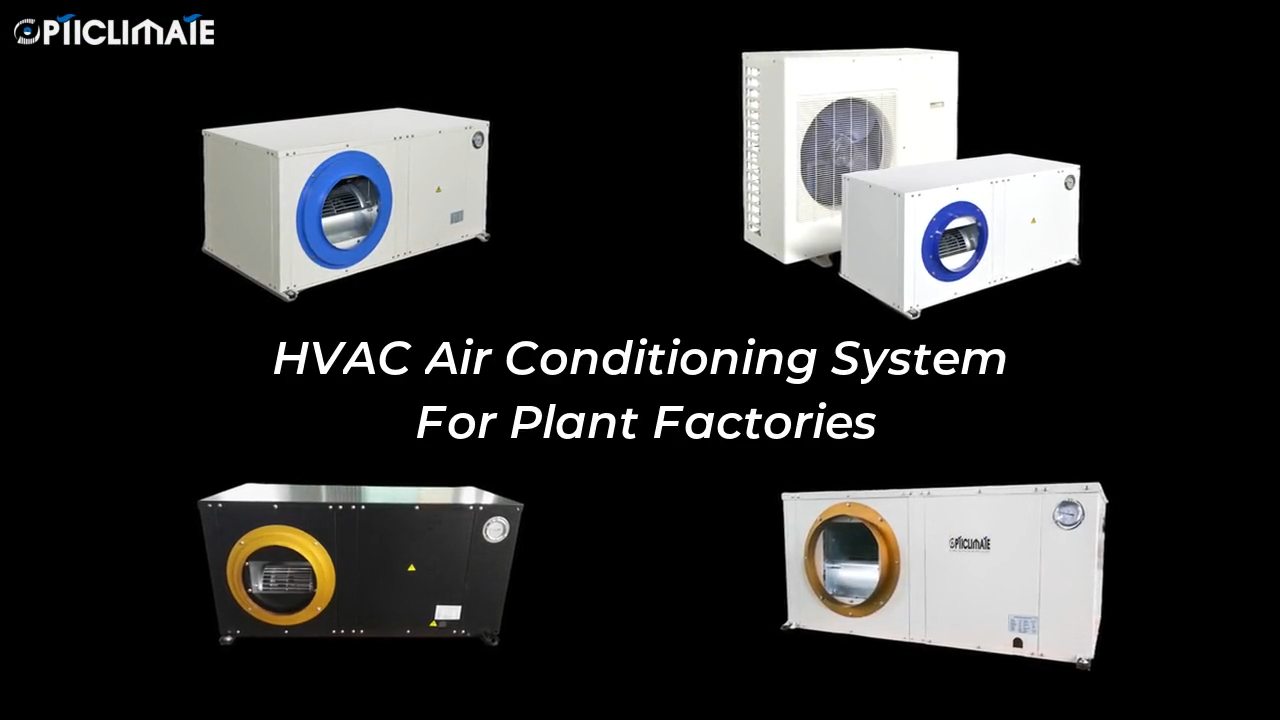
● HVAC Systems: Provide precise control over temperature and humidity, supporting overall pressure control.
● Environmental Sensors: Track real-time data on temperature, humidity, and CO2 levels to ensure optimal growing conditions.
● Automation Systems: Automate adjustments based on sensor data, maintaining a stable environment without constant manual intervention.
● Ducting: Facilitate the movement of air through the intake and exhaust systems, ensuring efficient airflow.
● Air Filters: Improve air quality by filtering out dust, mold, and other particulates.
● Dehumidifiers: Control humidity levels, preventing mold and mildew growth.
● Sealing Materials: Weather stripping, caulk, and other materials to seal gaps and maintain airtight conditions.
● CO2 Systems: Enhance plant growth by maintaining optimal CO2 levels in the grow room.
● Thermostats: Monitor and control temperature within the grow room for a consistent growing environment.
Creating the perfect pressure environment in your indoor grow room is key to achieving optimal plant health and maximizing yields. This involves setting up and fine-tuning intake and exhaust systems to maintain the desired air pressure balance.
Positive pressure environments push more air into the grow room that is pulled out. This setup helps keep contaminants at bay by forcing air out through small openings, preventing unwanted particles from entering.
● Install Intake and Exhaust Systems: Start by setting up intake fans at the lower part of your grow room to bring in fresh air. Place exhaust fans higher up to remove warm, stale air. This creates a vertical airflow that benefits your plants.
● Balance Air Intake and Outflow: Ensure that the intake fans are slightly more powerful than the exhaust fans. This imbalance pushes air out through any minor gaps, maintaining positive pressure. It's crucial to fine-tune fan speeds to achieve the right balance.
● Monitor and Adjust: Use pressure gauges to monitor the air pressure levels in your grow room. Regularly check these readings and make necessary adjustments to the fan speeds or ducting to maintain the desired pressure. Automation systems can simplify this process by providing real-time data and automatic adjustments based on preset parameters.
Negative pressure environments pull more air out of the grow room than is brought in. This setup is beneficial for controlling odors and ensuring a continuous supply of fresh air.
● Powerful Exhaust Systems: Install exhaust fans with enough power to create a negative pressure environment. These fans should be positioned at the top of the grow room to effectively remove warm, stale air.
● Strategic Intake Placement: Place intake fans at the lower part of the room to draw in fresh air. Ensure that these fans are less powerful than the exhaust fans to maintain the negative pressure balance.
● Odor Control: Negative pressure is particularly effective for managing strong cannabis odors. By continuously pulling air out, you prevent odors from escaping the grow room. Use carbon filters in your exhaust system to further neutralize any smells before the air is vented outside.
Maintaining the ideal pressure environment is an ongoing process that ensures your plants remain healthy and productive.
● Regular Monitoring: Continuously monitor your grow room's pressure levels using pressure gauges and environmental sensors. This helps you maintain the right balance and make timely adjustments.
● Routine Adjustments: As your plants grow and environmental conditions change, you may need to adjust your systems. This could involve tweaking fan speeds, repositioning ducting, or upgrading equipment to maintain the desired pressure environment.
● Automation for Consistency: Invest in automation systems that provide real-time data on pressure, temperature, and humidity. These systems can automatically adjust fan speeds and other parameters to maintain a stable environment, reducing the need for constant manual intervention.
Consistently monitoring and maintaining the pressure levels in your indoor grow room is crucial for ensuring a stable environment where your cannabis plants can thrive. Here’s how to stay on top of it.
Maintaining the right pressure levels requires regular monitoring.
● Pressure Meters: These devices are essential for accurately measuring the air pressure within your grow room. Regularly check the readings to ensure your pressure levels are within the optimal range.
● Environmental Sensors: Invest in sensors that track real-time data on temperature, humidity, and CO2 levels. These metrics are interconnected with pressure and help you understand the overall environment of your grow room.
● Automation Systems: Automated systems can significantly ease the monitoring process. They provide real-time data and can automatically adjust fan speeds, air intake, and exhaust to maintain the desired pressure. This ensures a consistent environment without constant manual intervention.
Regular maintenance is crucial for sustaining the right pressure environment.
● Cleaning and Replacing Filters: Air filters should be cleaned or replaced regularly to ensure efficient airflow. Clogged filters can hinder airflow and disrupt the pressure balance.
● Checking for Leaks: Periodically inspect your grow room for any air leaks. Sealing gaps and cracks will help maintain the desired pressure levels and prevent contaminants from entering.
● Adjusting Systems Based on Growth Stages: Different stages of plant growth may require different environmental conditions. Adjust your pressure control systems to match the needs of your plants at various growth stages. For example, seedlings might require higher humidity and less airflow, while mature plants may need more robust airflow and stable pressure levels.
● Regular System Checks: Perform routine checks on all equipment, including fans, HVAC systems, and pressure gauges, to ensure they are functioning correctly. This proactive approach helps identify and resolve issues before they affect your grow room environment.
● Monitoring and Logging Data: Keep a log of pressure, temperature, and humidity readings. This data helps you identify trends and make informed adjustments to improve your grow room's conditions over time.
Maintaining optimal pressure levels is not a one-time task but an ongoing process. Regularly review your setup and make necessary adjustments to ensure your plants are always in the best possible environment. By staying vigilant and proactive, you can create a thriving indoor garden that maximizes both yield and quality.
Proper pressure control in your indoor grow room brings numerous benefits that directly impact the health and yield of your cannabis plants. Here’s how:
● Enhanced Nutrient Uptake: Maintaining optimal pressure levels ensures better air circulation, which is crucial for the efficient uptake of nutrients. When plants receive adequate CO2 and oxygen, their root systems function more effectively, leading to stronger and healthier growth.
● Disease and Pest Prevention: A well-regulated pressure environment can significantly reduce the risk of mold, mildew, and pests. Positive pressure environments help keep contaminants out, while negative pressure setups can effectively manage odors and prevent pests from settling on your plants.
● Optimal CO2 Levels: CO2 is essential for photosynthesis. Proper pressure control ensures that CO2 levels remain optimal, promoting vigorous growth and maximizing plant health. Enhanced CO2 levels can lead to larger and more robust plants.
● Denser Buds: Proper air circulation and pressure control result in better flower development. Plants grown in a well-maintained environment tend to produce denser, heavier buds, which translates to higher yields.
● Higher Cannabinoid Content: A stable and optimized growing environment can enhance the production of cannabinoids and terpenes. This means your plants will not only yield more but also produce higher-quality cannabis with more potent effects.
For many years, growers have chosen to keep their grow rooms dry to prevent mold and other diseases on their plants, primarily by controlling relative humidity (RH). However, relative humidity is not the best measurement to accurately predict plant transpiration or plant water flow. The environment is not only determined by relative humidity, but also by temperature. Since warm air can hold more water than cold air, a day at 64° F with 60% relative humidity will feel much drier than a hot day at 95° F with the same relative humidity.
Plants can only grow successfully if the humidity and temperature in your grow room are exactly right. This means that humidity and temperature can affect the yield of indoor plants. By regulating the amount of water vapor in the air, you can also ensure that molds such as mildew and gray mold (bud rot) do not have a chance to survive.
Vapor pressure is not affected by temperature, but is an absolute measure of the amount of water vapor in the air at a given temperature. Therefore, vapor pressure deficit (VPD) is a more effective and reliable way to monitor and predict transpiration and maximize plant growth and yield.
It is important to keep VPD in the range that is best for the plant's growth stage, as VPD that is too low or too high can cause problems. As grow room temperatures increase, this “sweet spot” narrows, and lower temperatures provide growers with a wider effective VPD range. While monitoring VPD is critical for optimal plant growth, temperature and humidity levels should be set to help produce the desired VPD.
Therefore, the lower temperature setting modes of the innovative Opticlimate mesophilic (i.e., between 0 and 20 degrees) grow HVAC provide growers with a wider effective VPD range.
Mastering pressure control in your indoor cannabis grow room is essential for achieving high-quality yields and maintaining plant health. At OptiClimate Farm, we understand the intricate needs of indoor cannabis cultivation and offer cutting-edge solutions to help you create the perfect growing environment.
Investing in quality equipment such as fans, filters, pressure gauges, and HVAC systems, combined with regular monitoring and adjustments, will help you maintain the ideal pressure environment. Automation systems can further simplify this process, providing real-time data and ensuring consistent conditions for your plants.
At OptiClimate Farm, we are committed to supporting your indoor cannabis growing journey with innovative products and expert guidance. Explore our range of solutions designed to optimize your grow room environment and maximize your harvests. For more information and resources, visit OptiClimate Farm.

Copyright © 2026 OPTICLIMATE FARM LIMITED - opticlimatefarm.com All Rights Reserved.

