Where there is a plant factory, there is Opticlimatefarm.
Language
Indoor Farming is not just a trend, it's a revolution in agriculture! With the use of advanced environmental control systems, we are changing the way we grow our food. From hydroponics to vertical farming, the possibilities are endless. Join us as we explore the future of farming and how it is reshaping our relationship with the environment.
Indoor farming is transforming agriculture by enabling crop production in controlled environments. This method is revolutionizing how we grow food, ensuring consistent yields regardless of external weather conditions. OptiClimatefarm is at the forefront of this movement, leveraging cutting-edge environmental control systems to maximize efficiency and sustainability.
Environmental control systems are revolutionizing the agricultural industry by offering a range of benefits that enhance productivity, sustainability, and overall crop quality. Here’s a closer look at how these systems are transforming farming:
Environmental control systems ensure stable growing conditions crucial for producing high-quality crops. Maintaining precise temperature, humidity, light, and CO2 levels, these systems help plants grow uniformly, leading to consistent quality. This is vital for commercial farmers who must meet market standards and consumer expectations.
By optimizing the growing environment, environmental control systems can significantly boost crop yields. Plants receive the exact conditions they need to thrive, resulting in healthier growth and higher productivity. This increase in yield can help farmers meet rising food demands and improve their profitability.
Environmental control systems enhance resource efficiency by using water, energy, and nutrients more effectively. For example, advanced irrigation systems can precisely deliver water to plants based on their needs, reducing waste.
Similarly, optimized lighting and climate control can minimize energy consumption. This efficiency not only lowers operational costs but also reduces the environmental footprint of farming operations.
Traditional farming is often limited by seasonal changes and weather conditions. Environmental control systems enable year-round farming by creating a stable indoor environment. This means farmers can grow crops continuously, regardless of external weather conditions, leading to more consistent production and supply.
Controlled environments reduce the risk of pest infestations and diseases, which are common challenges in traditional farming. Environmental control systems can regulate factors that influence pest and disease outbreaks, such as humidity and temperature. Additionally, these systems make it easier to implement integrated pest management (IPM) strategies and biological control methods, further protecting crops.
Environmental control systems are scalable and can be adapted to various farming operations, from small urban farms to large commercial greenhouses. This flexibility allows farmers to start small and expand their operations as needed. Moreover, these systems can be customized to suit the specific requirements of different crops, enhancing their versatility.
Automation is a key feature of modern environmental control systems. Automated climate control, irrigation, and lighting reduce the need for manual labor, leading to significant cost savings. This automation also improves operational efficiency, allowing farmers to focus on other critical aspects of their business.
Sustainable farming practices are essential for the future of agriculture. Environmental control systems contribute to sustainability by reducing water and energy usage, minimizing chemical inputs, and lowering carbon emissions. These systems support the principles of sustainable agriculture, helping to preserve natural resources for future generations.
By enabling continuous and reliable food production, environmental control systems play a crucial role in enhancing food security. They help mitigate the impacts of climate change and other external factors on food supply, ensuring that communities have access to fresh, nutritious produce year-round.
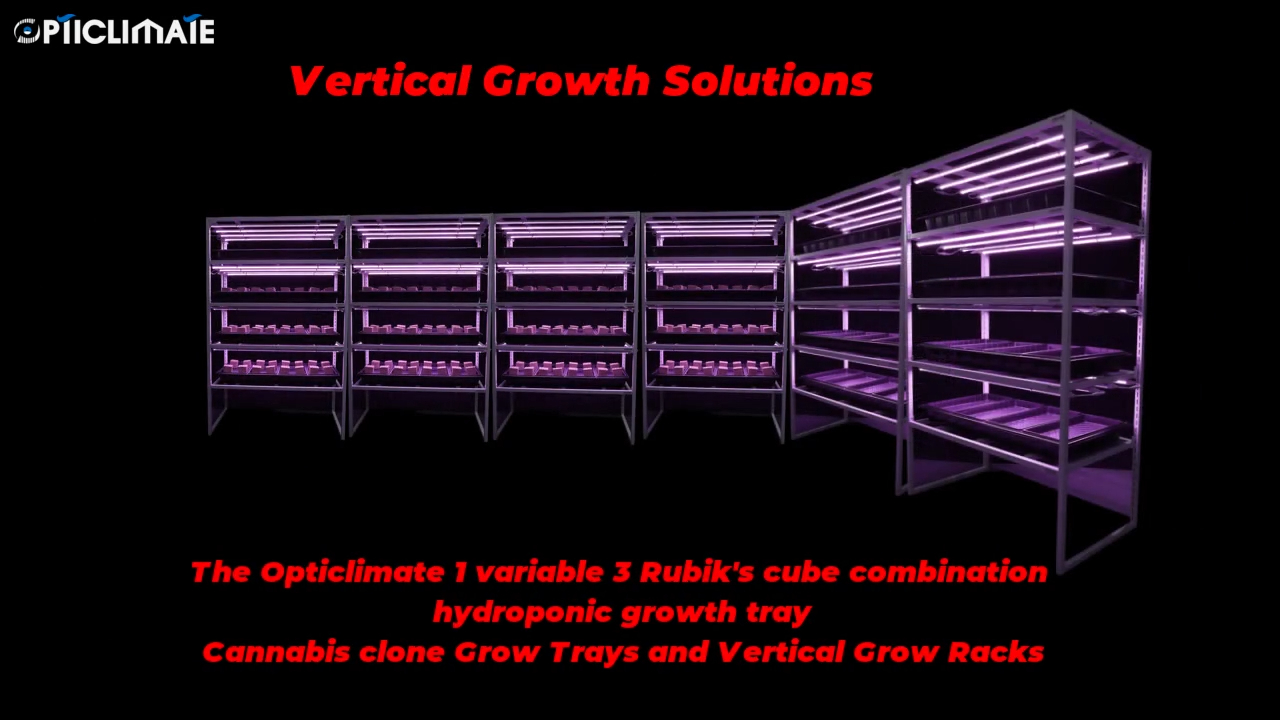
OptiClimatefarm is at the forefront of agricultural innovation, utilizing advanced environmental control systems to create the perfect conditions for crop growth. These systems incorporate state-of-the-art technology to regulate key environmental factors, ensuring optimal growing conditions and maximizing productivity. Here's an in-depth look at how OptiClimatefarm's advanced environmental control systems work and their benefits:
Temperature is a critical factor in plant growth and development. OptiClimatefarm's advanced temperature control systems use a network of sensors and automated controls to maintain precise temperature ranges tailored to each crop's needs. Here's how it works:
● Real-Time Monitoring: Sensors continuously monitor the temperature within the growing environment, providing real-time data to the control system.
● Automated Adjustments: Based on the sensor data, the system automatically adjusts heating and cooling mechanisms to maintain the ideal temperature. This ensures that plants are never exposed to extreme temperatures that could hinder their growth.
● Customizable Settings: Farmers can set specific temperature ranges for different crops, allowing for customized growing conditions that optimize yield and quality.
Humidity levels are crucial for maintaining plant health and preventing diseases. OptiClimatefarm's humidity control systems ensure that the growing environment maintains the right moisture levels at all times.
● Continuous Monitoring: Humidity sensors track moisture levels in the air, providing constant feedback to the control system.
● Dynamic Control: The system can activate dehumidifiers or humidifiers as needed to achieve the desired humidity level. This dynamic control prevents conditions that could lead to mold, mildew, or other moisture-related issues.
● Balancing Act: Proper humidity regulation promotes healthy plant transpiration and nutrient uptake, leading to robust growth and higher yields.
Light is a primary driver of photosynthesis, and OptiClimatefarm's advanced lighting systems ensure that plants receive the optimal light spectrum and intensity.
● LED Technology: Using energy-efficient LED lights, the system provides the full spectrum of light needed for different stages of plant growth, from germination to flowering.
● Adjustable Intensity: The lighting intensity can be adjusted based on the time of day and the specific needs of the plants. This mimics natural light cycles and enhances growth rates.
● Energy Efficiency: LED lights consume less power and generate less heat compared to traditional lighting, reducing energy costs and minimizing the risk of overheating.
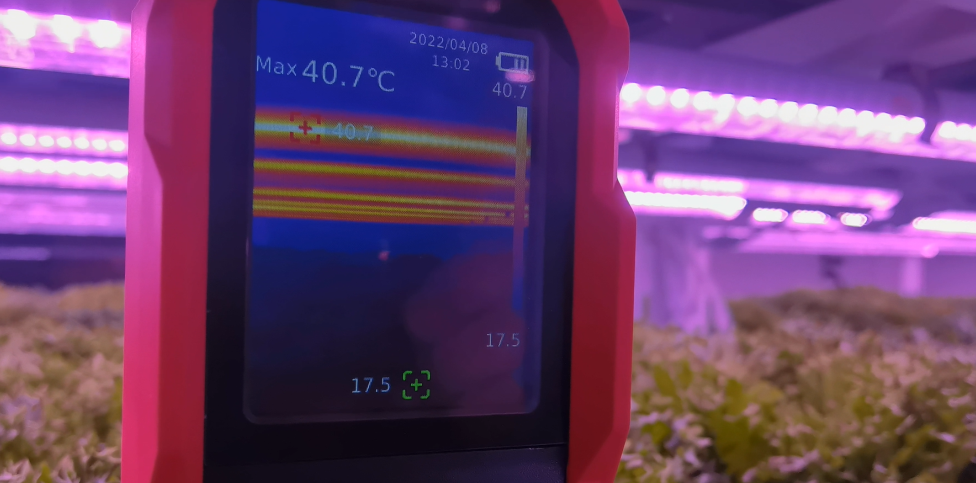
Carbon dioxide is essential for photosynthesis, and OptiClimatefarm's CO2 enrichment systems ensure that plants receive adequate levels of this vital gas.
● Controlled Release: The system releases CO2 in controlled amounts to maintain optimal levels within the growing environment.
● Enhanced Photosynthesis: Higher CO2 concentrations can boost photosynthesis rates, leading to faster growth and higher yields.
● Safe and Efficient: The system ensures that CO2 levels remain within safe limits for both plants and farm workers, creating a balanced and productive environment.
OptiClimatefarm's environmental control systems are integrated into a single, user-friendly platform that allows for seamless management and automation.
● Centralized Management: Farmers can monitor and control all environmental factors from a central dashboard, making it easy to oversee and adjust settings as needed.
● Data Analytics: The system collects and analyzes data on temperature, humidity, light, and CO2 levels, providing valuable insights for optimizing growing conditions.
● Automated Responses: Automated controls respond instantly to changing conditions, ensuring that the environment remains stable and conducive to plant growth.
OptiClimatefarm's advanced environmental control systems offer numerous benefits that enhance productivity, sustainability, and overall crop quality.
● Consistent Quality: By maintaining stable growing conditions, these systems ensure that crops grow uniformly, leading to consistent quality.
● Increased Yields: Optimized growing conditions result in healthier plants and higher yields, helping farmers meet market demands.
● Resource Efficiency: The systems use water, energy, and nutrients more effectively, reducing waste and operational costs.
● Sustainability: By minimizing resource usage and reducing the environmental footprint, OptiClimatefarm supports sustainable farming practices.
Crop management and optimization are vital components of modern agriculture, ensuring that farmers can achieve the highest yields and best quality produce. At OptiClimatefarm, advanced technologies and innovative practices come together to enhance crop growth and maximize efficiency. Here’s how OptiClimatefarm excels in crop management and optimization:
Choosing the right crops and implementing effective rotation strategies are fundamental to successful farming. OptiClimatefarm uses data-driven approaches to select and rotate crops for optimal results.
● Data-Driven Crop Selection:
○ Market Analysis: By analyzing market trends and demand, OptiClimatefarm selects crops that are most profitable and in demand.
○ Environmental Suitability: The farm assesses the specific environmental needs of each crop, ensuring that they are compatible with the controlled conditions provided by the OptiClimate systems.
● Benefits of Crop Rotation:
○ Soil Health: Rotating crops helps maintain soil fertility by preventing nutrient depletion and reducing soil-borne diseases.
○ Pest and Disease Management: Crop rotation disrupts the life cycles of pests and diseases, minimizing their impact on future crops.
○ Improved Yields: By alternating crops, farmers can optimize nutrient use and improve overall soil structure, leading to better yields.
Precision agriculture is at the heart of crop management at OptiClimatefarm. This approach leverages technology to monitor and manage crops with high accuracy.
● Use of Data and Analytics:
○ Sensor Technology: Sensors placed throughout the farm collect data on soil moisture, nutrient levels, and plant health. This information is crucial for making informed decisions about irrigation, fertilization, and pest control.
○ Data Analytics: Advanced analytics tools process the collected data, providing insights into crop performance and identifying areas for improvement.
● Benefits for Crop Monitoring and Management:
○ Optimized Resource Use: Precision agriculture ensures that water, fertilizers, and pesticides are used efficiently, reducing waste and environmental impact.
○ Targeted Interventions: By identifying specific issues such as nutrient deficiencies or pest infestations early, farmers can take targeted actions to address them, improving crop health and yield.
○ Cost Savings: Efficient use of resources and targeted interventions lead to significant cost savings, making farming operations more profitable.
Effective pest and disease control is crucial for maintaining healthy crops. OptiClimatefarm employs integrated pest management (IPM) and biological control methods to keep pests and diseases at bay.
● Integrated Pest Management (IPM):
○ Monitoring and Identification: Regular monitoring helps identify pest and disease threats early. IPM strategies are then tailored to the specific issues at hand.
○ Cultural Practices: Crop rotation, sanitation, and other cultural practices are used to create unfavorable conditions for pests and diseases.
○ Chemical Controls: When necessary, chemical controls are used selectively and responsibly to minimize harm to beneficial organisms and the environment.
● Biological Control Methods:
○ Beneficial Insects: Natural predators such as ladybugs and parasitic wasps are introduced to control pest populations.
○ Microbial Agents: Beneficial microbes are used to combat plant pathogens, enhancing plant resistance to diseases.
○ Plant Resistance: Selecting and cultivating disease-resistant crop varieties reduces the need for chemical interventions.
Nutrient management is key to optimizing crop growth and ensuring healthy plants. OptiClimatefarm uses advanced techniques to provide crops with the nutrients they need.
● Soil Testing and Analysis:
○ Nutrient Profiling: Regular soil testing helps determine nutrient levels and deficiencies. This information guides the application of fertilizers and soil amendments.
○ Custom Fertilization Plans: Based on soil test results, customized fertilization plans are developed to provide the right balance of nutrients for each crop.
● Sustainable Fertilization:
○ Organic Fertilizers: Using organic fertilizers such as compost and manure enhances soil fertility and promotes healthy microbial activity.
○ Precision Application: Fertilizers are applied with precision to avoid over-application and runoff, ensuring that plants receive the nutrients they need without harming the environment.
OptiClimatefarm is a pioneer in integrating technology with agriculture, leveraging IoT, automation, and AI to enhance farming practices.
The integration of IoT devices allows for real-time monitoring and control of the farming environment. This smart farming approach ensures that conditions are continuously optimized for crop growth.
Automation reduces labor costs and increases efficiency at OptiClimatefarm. Automated planting and harvesting systems streamline operations, ensuring timely and precise agricultural practices.
Predictive analytics and AI are used to make informed decisions about farm management. These technologies help in forecasting crop yields, optimizing resource use, and improving overall farm performance.
OptiClimatefarm is revolutionizing agriculture through its innovative approach to indoor farming and advanced environmental control systems. By leveraging cutting-edge technology, OptiClimatefarm creates the perfect conditions for crop growth, ensuring consistent quality, higher yields, and resource efficiency. This forward-thinking approach addresses many of the challenges faced by traditional farming, such as unpredictable weather, pests, and limited growing seasons.
For anyone interested in the future of agriculture, OptiClimatefarm offers a glimpse into what's possible with advanced indoor farming techniques. To learn more about their innovative solutions and how they can benefit your farming operations, visit www.opticlimatefarm.com. Embrace the future of farming with OptiClimate and transform your agricultural practices for a more productive and sustainable tomorrow.

Copyright © 2026 OPTICLIMATE FARM LIMITED - opticlimatefarm.com All Rights Reserved.

