Where there is a plant factory, there is Opticlimatefarm.
Language
Traditional farming does not provide promising future because of the growing population and limited amount of available land. Traditional farming also relies on large amount of land and the correct exposure of rain and sunlight. In such situations, food service providers and farmers are looking towards indoor vertical farming and grow rooms to provide a sustainable solution.
Indoor vertical farming is a modern agricultural method that allows crops to be grown in controlled environments, typically inside buildings or structure rather than in open fields. The controlled environment of indoor farming minimizes the risk of pests and diseases, leading to healthier crops and potentially higher yields. This methods also allows for year-round production, ensuring a continuous supply of fresh produce.
A grow room is a controlled environment designed specifically for the cultivation of indoor plants. These spaces allows farmers to create the optimal conditions for the plant growth, regardless of the external weather conditions. The primary purpose of the grow room is to provide an ideal environment that include appropriate lighting, temperature, humidity and ventilation for plants to thrive. This versatile approach of a grow room supports a wide variety of plants, from herbs and vegetables to flowers, making it an ideal choice for growing enthusiasts in any climate.
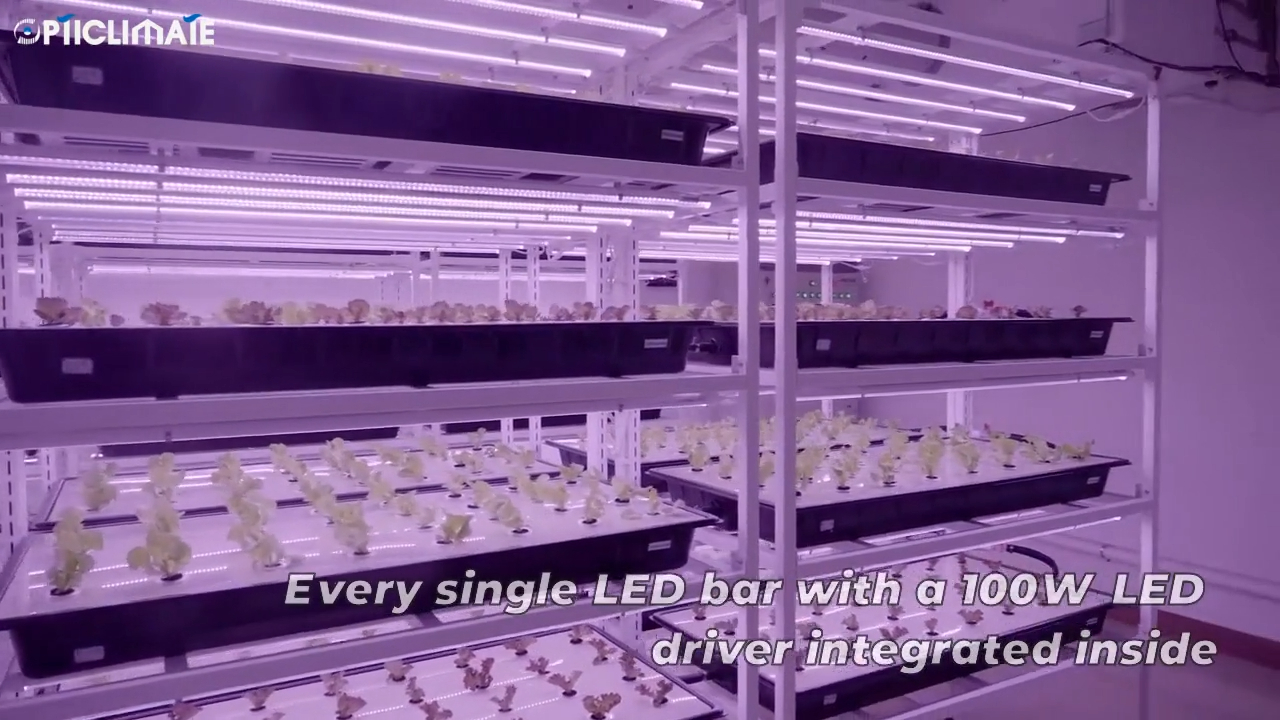
· Providing appropriate lighting
· Ensuring efficient water and nutrient delivery
· Preventing pests and diseases
Here are the some innovative grow room ideas to inspire your design.
The first step in building a grow room is choosing a suitable area for the construction. You can start by considering the available space in your home. Consider unused closers, basements etc. Determine the total area available for cultivation. The size of the room will dictate the number of plants you can grow. Plant the layout to maximize the use of space. This includes arranging the plants walkways and storage areas.
Lighting is one of the most important constituent of a grow room as it directly affects plant growth and yield. Grow rooms need lights that substitute sunlight. Choose the right type of lighting system for your grow room. Consider the size of your grow room and the specific light requirements of your plants. Hang the lights at the appropriate height and position them to ensure uniform light distribution. You can also include reflective materials on the walls and ceilings to enhance light distribution throughout the room. The types of lights should be:
This type of lights are suitable for beginners who have a small grow room and have only a few plants. This is a cheap option for indoor growers. The light given by the fluorescent lights are good for the germination but not powerful enough therefor not good for flowering stage.
These type of lights are quite powerful and they emit a considerable intensity of light. These are excellent for the growth of indoor plants but they are very expensive. Moreover, there are some precautions required. You need to keep the light at a suitable distance to protect the plants, yourself and workers.
LEDs are the best lights for indoor growing. These are perfect whether you have a small or large indoor grow setup. The first advantage of LED grow lights is that they are efficient. Around 80-90% of the electrical energy is converted into light, and there is a minimum amount of heat release. Thus, these are more efficient than other technologies. They save a lot of energy and it is reflected by the energy bills. Moreover, these lights do not cause any harm to the plant or fruit because they do not emit much heat.
Controlling the climate in a grow room is crucial to successfully growing plants and achieving optimal growing and harvesting results. A stable and control climate provides the right temperature and humidity that plants need to stay healthy and grow to their maximum potential. Here the factors which can are necessary for a good grow room.
Maintaining the right temperature and humidity level is crucial for healthy plant growth and better results. For most types of plants a temperature of around 20-25 0C is most suitable but in varies for different stages of plant growth. It is important to keep a close eye on the temperature in the grow room and regulate it when needed.
Humidity is also in important factor in the grow room like temperature. It plays a crucial role in maintaining a healthy grow room environment. Plants require a relative humidity level of between 40-60% to thrive. Relative humidity outside this range can lead to various issues such as mould, mildew or even plant death.
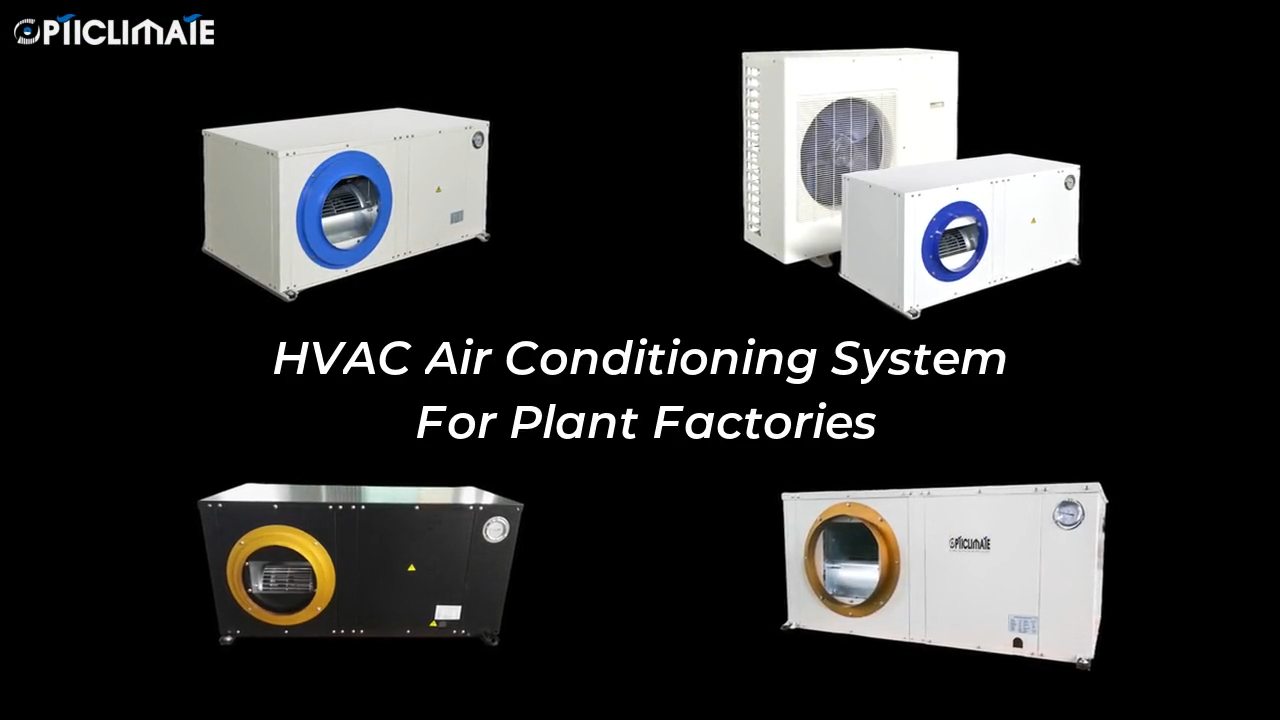
A grow room ventilation is a system that ensures a continuous flow of air between the outside world and the indoor grow area. It also includes some mechanism for keeping airflow inside the grow room. A ventilation system is crucial to keep CO2 content inside the grow room at optimal levels for the plant. Different equipment necessary for ventilation are;
These are installed to take away the hot and humid air from inside your grow room. They are used along with the ducting to channel the air away from the room.
Supplementing carbon dioxide can enhance plant growth. Ensure the ventilation system can adequately distribute carbon dioxide throughout the grow room.
Irrigation systems in grow room is a crucial component which ensures that the plant receive the precise amount of water they need to grow in controlled environment. The irrigation system play an essential role in maintaining healthy plants. Different types of irrigation system are used in which the drip irrigation system is more effective. Drip irrigation systems provide precise water delivery to the roots of the plant, reducing water waste and improving nutrients uptake.
Incorporating sustainability into your grow room design not only benefits the environment but can also reduce operational cost. Proper grow room insulation lowers the load on HVAC system and helps maintain temperature. To save electricity, choose pumps, HVAC systems and lighting that use less energy.
With everything in pace, it is time to begin with the plantation. You must make sure that the temperature and humidity levels are controlled. You must also check the light setting for better efficiency. Additionally, a light controller is efficient in maintaining the intensity of light.

Copyright © 2026 OPTICLIMATE FARM LIMITED - opticlimatefarm.com All Rights Reserved.

