Where there is a plant factory, there is Opticlimatefarm.
Language
Where there is a plant factory, there is Opticlimatefarm.
Looking to take your indoor growing game to the next level? Look no further! With our expert knowledge on optimal plant spectrum, OptiClimate Farm can help you maximize your indoor growing potential. Dive into our website to learn more about how we can help you achieve the ultimate indoor garden.
Indoor growing is the cultivation of plants within a controlled environment, typically within a building or greenhouse. This method allows you to grow plants year-round, regardless of external weather conditions. It involves using artificial lighting, temperature control, and sometimes, hydroponic or aeroponic systems.
The primary benefit of indoor growing is the ability to create ideal conditions for plant growth, leading to healthier plants and higher yields. Whether you’re growing herbs, vegetables, or flowers, indoor growing offers unmatched control and flexibility.
Selecting the right light spectrum is crucial for maximizing plant growth and achieving the best results in your indoor garden.
Full-spectrum lighting mimics natural sunlight by providing a balanced range of wavelengths. This type of lighting supports all stages of plant growth, from seedling to harvest. Full spectrum lights include a combination of red, blue, and green wavelengths, along with some UV and infrared light. These lights are ideal for growers who want a simple setup that covers all their plants' needs without needing to switch lights for different growth stages. Compared to natural sunlight, full spectrum lighting offers consistent intensity and duration, crucial for the controlled environment of indoor growing.
One of the main benefits of full-spectrum lighting is its ability to promote overall plant health. Plants grown under full spectrum lights tend to have stronger stems, healthier foliage, and better root development. This comprehensive light source encourages robust vegetative growth and abundant flowering, ensuring you achieve maximum yield and quality from your indoor garden. By closely mimicking the sun, full spectrum lighting provides an environment where plants can thrive year-round, regardless of outdoor weather conditions.
Red and blue spectrum lighting targets specific growth stages, making it a powerful tool for indoor growers. Blue light, which falls in the 400-500 nanometer range, is essential during the vegetative stage. It encourages the growth of strong roots, thick stems, and lush foliage. Blue light's short wavelength penetrates deep into the plant canopy, ensuring all parts of the plant receive adequate light for photosynthesis. This leads to compact and bushy plants, ideal for maximizing space in an indoor garden.
Red light, with wavelengths between 600-700 nanometers, is crucial for the flowering and fruiting stages. It promotes the production of buds, flowers, and fruits, significantly enhancing yield. Red light influences various physiological processes, including stem elongation and the formation of reproductive structures. By increasing the amount of red light during the flowering stage, you can stimulate more prolific blooming and fruiting, leading to a bountiful harvest.
Supplementary light spectrums, such as UV (ultraviolet) and IR (infrared), offer additional benefits for indoor growing. While these wavelengths are not as crucial as red and blue light, they can enhance specific aspects of plant growth and development. UV light, for example, can improve the production of certain secondary metabolites, which can enhance the flavor, aroma, and nutritional content of your plants. UV light also plays a role in pest and disease resistance, making plants more resilient.
Infrared light, although not visible to the human eye, is beneficial for flowering and fruiting. It can promote the elongation of stems and the expansion of leaves, which helps plants capture more light and grow more vigorously. Infrared light also contributes to the development of reproductive structures, supporting more abundant and healthy blooms.
Incorporating supplementary light spectrums into your lighting setup can lead to even better results. These additional wavelengths can complement the primary red and blue spectrums, enhancing overall plant health and productivity.
For instance, using a combination of full spectrum, red and blue, and supplementary UV and IR lights can create a highly effective and versatile lighting environment. This approach allows you to optimize every aspect of your plant's growth, from vegetative development to flowering and fruiting, ensuring you get the best possible yields from your indoor garden.
LED Grow Light for Indoor Farm on OptiClimate Farm please click: https://www.opticlimatefarm.com/products-detail-35928
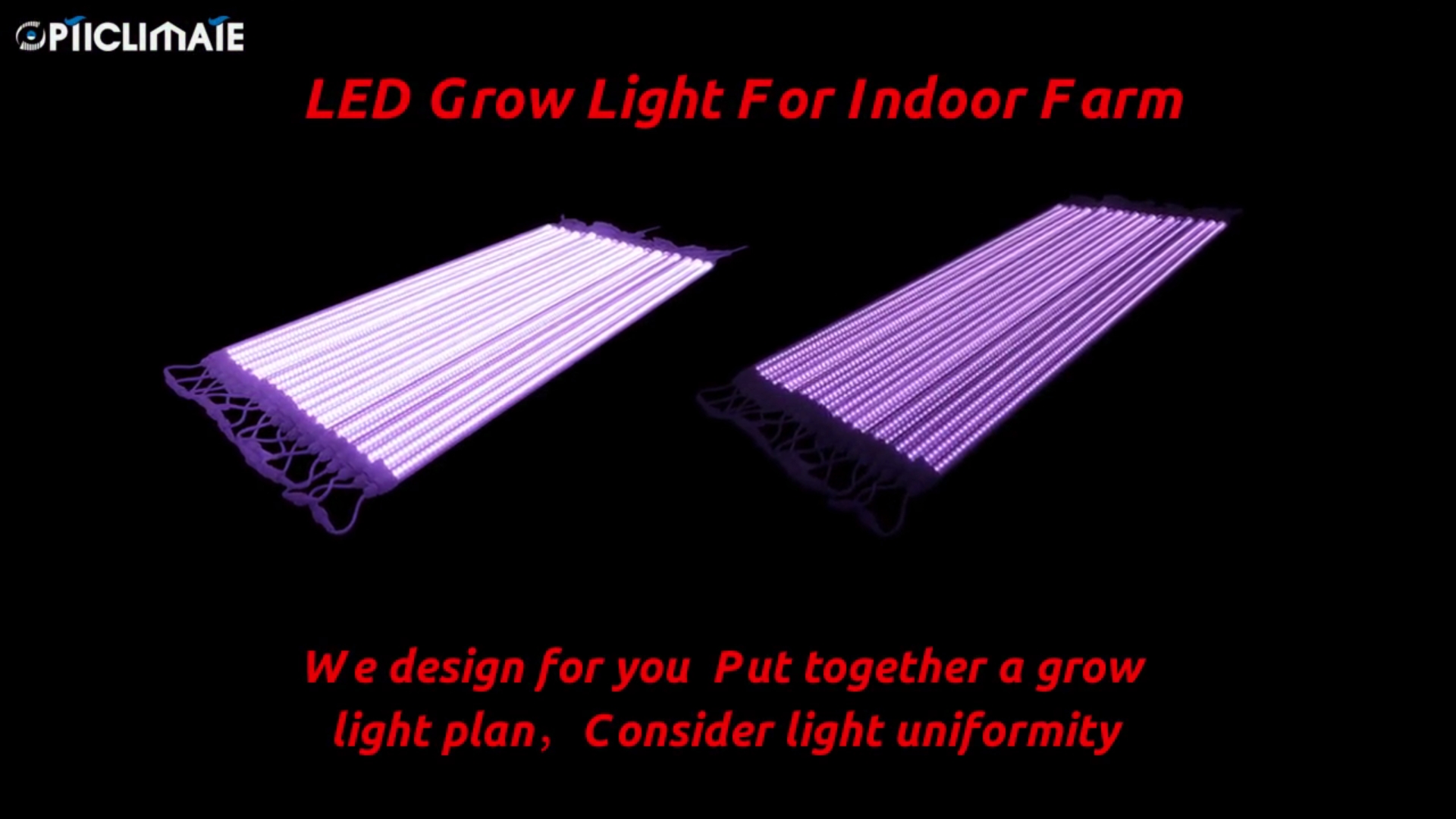
Understanding and selecting the appropriate light spectrum for each plant species and growth stage can significantly enhance their development and productivity.
During the vegetative stage, plants require a light spectrum that promotes robust growth. Blue light is particularly important during this phase, as it encourages the development of strong roots and healthy leaves.
Providing an optimal blue light spectrum ensures your plants establish a solid foundation, setting the stage for a successful flowering phase. Tips for optimizing growth include maintaining a consistent light schedule and ensuring the light intensity is sufficient to penetrate the plant canopy.
As plants transition to the flowering stage, their lighting needs shift. Red light becomes crucial, as it stimulates the production of flowers and fruits. Adjusting your light spectrum to include more red wavelengths can significantly enhance your yields.
Techniques for maximizing yield and quality include gradually increasing the amount of red light as your plants begin to flower and maintaining a balanced light schedule to prevent stress.
Different plant species have unique light spectrum requirements. For example, leafy greens like lettuce and spinach thrive under blue light, while fruiting plants like tomatoes and peppers benefit from a balanced mix of red and blue light. Customizing the light conditions for your specific plants can lead to better growth and higher yields. By understanding the light spectrum needs of your plants, you can create an optimal growing environment tailored to their specific requirements.
Creating an ideal environment for your plants begins with careful planning and assessment of your indoor growing space.
Before setting up your lighting system, it's essential to assess your indoor growing space. Consider factors such as the size of your space, the types of plants you're growing, and their growth stages.
Light intensity and coverage are critical aspects to consider. Ensure that your light source can adequately cover your entire growing area and provide sufficient light intensity for all your plants.
There are various lighting technologies available for indoor growing, including LED, HPS, and CFL lights. LED lights are popular for their energy efficiency and ability to provide a full spectrum of light.
HPS lights are known for their high output and effectiveness in the flowering stage. CFL lights are more affordable and suitable for smaller setups. Each type has its pros and cons, so choosing the right one depends on your specific needs and budget.
Proper installation and configuration of your grow lights are crucial for optimal results. Follow best practices for installing your lights, ensuring they are positioned at the correct height and angle to provide even coverage. Regularly monitor and adjust light conditions to meet the changing needs of your plants. Using timers and light sensors can help maintain consistent light schedules, reducing stress on your plants and promoting healthy growth.
Optimizing the plant spectrum in your indoor growing setup can revolutionize the way your plants grow, enhancing their health, yield, and overall quality. Let's delve into the key benefits of tailoring the light spectrum to your plants' needs.
By fine-tuning the light spectrum, you can significantly boost plant growth and productivity. Plants require different wavelengths of light for various stages of their life cycle. Providing the optimal light spectrum ensures that plants receive the exact wavelengths they need for photosynthesis, leading to faster growth and higher yields.
For instance, a grower using a combination of red and blue spectrum lighting reported a substantial increase in their tomato crop yield. The tailored light conditions allowed the plants to photosynthesize more efficiently, resulting in healthier plants and a more bountiful harvest. This targeted approach not only enhances growth but also improves the overall quality of the produce, making it more marketable and desirable.
Optimizing the light spectrum doesn't just benefit your plants; it can also lead to significant energy savings. Modern LED grow lights are designed to provide the specific wavelengths plants need, reducing wasted energy on unnecessary light.
This efficiency translates to lower electricity bills and reduced operational costs for your indoor growing setup. Over time, these savings can add up, making your indoor garden more sustainable and cost-effective.
For example, switching from traditional HPS lights to LED lights optimized for plant spectrum can reduce energy consumption by up to 50%. This reduction in energy use not only lowers your costs but also lessens your environmental impact, contributing to more sustainable growing practices. The long lifespan of LED lights further adds to the cost savings, as you won't need to replace them as frequently as other types of grow lights.
Optimizing your plant spectrum contributes to more sustainable and environmentally friendly indoor growing practices. Efficient use of light reduces energy consumption, which in turn lowers carbon emissions. Additionally, by tailoring the light spectrum to your plants' needs, you can create a more controlled growing environment, reducing the need for chemical fertilizers and pesticides.
Sustainable indoor growing practices, such as using renewable energy sources and recycling water, can further minimize your environmental footprint. By adopting these practices, you can grow high-quality produce while promoting environmental stewardship. This approach not only benefits the planet but also enhances the appeal of your products to environmentally conscious consumers.
Plants grown under optimized light spectrums tend to be healthier and more resistant to pests and diseases. The right light conditions can enhance the production of protective compounds in plants, making them more resilient to environmental stresses. This natural defense mechanism reduces the need for chemical interventions, promoting a more organic and sustainable growing environment.
For example, incorporating UV light into your lighting setup can stimulate the production of flavonoids and other secondary metabolites that enhance plant defense mechanisms. These compounds not only improve the plant's resistance to pests and diseases but also enhance the flavor and nutritional value of the produce. Healthier plants also tend to have a better appearance, making them more attractive to consumers.
Indoor growing offers unmatched control and flexibility, allowing you to cultivate a wide variety of plants year-round. By understanding and optimizing the plant spectrum, you can significantly enhance plant health, growth, and yield. This detailed exploration into light spectrums—full spectrum, red and blue spectrum, and supplementary spectrums—shows how critical the right light conditions are for successful indoor farming. Implementing the right light spectrum tailored to your specific plants and growth stages not only boosts productivity but also ensures more sustainable and energy-efficient practices.
At OptiClimate Farm, we are committed to providing advanced solutions that support your indoor growing endeavors. Our innovative lighting and climate control systems are designed to create the perfect environment for your plants, maximizing their potential and helping you achieve superior results. Explore our products and services to discover how we can help you optimize your indoor growing setup and enjoy bountiful, high-quality harvests year-round. For more information, visit our website at OptiClimate Farm.

Copyright © 2026 OPTICLIMATE FARM LIMITED - opticlimatefarm.com All Rights Reserved.