Where there is a plant factory, there is Opticlimatefarm.
Language
Indoor Farming has revolutionized the way we grow our food, but how can we optimize this process even further? Look no further than Wind Speed Control. By maximizing indoor farming efficiency, we can produce more high-quality crops in less time. Learn how this innovative technology is changing the game for indoor farmers everywhere.
Indoor farming involves growing crops in controlled environments such as greenhouses, vertical farms, or other enclosed spaces. This method is revolutionizing agriculture by allowing year-round production regardless of external weather conditions. The benefits are numerous. For starters, indoor farming maximizes resource efficiency, using less water and land compared to traditional farming. It also reduces the need for pesticides since the controlled environment limits pest access.
Indoor farming is a game-changer for urban areas where land is scarce. It provides fresh, local produce, cutting down transportation costs and emissions. Additionally, it offers a solution to food security challenges by enabling consistent food production close to consumers. This innovative approach to agriculture is paving the way for a more sustainable and resilient food system.
Indoor farming encompasses several innovative systems, each designed to maximize efficiency and yield in a controlled environment. Understanding these systems is key to optimizing your indoor farm. Let’s dive into the most common types:
Hydroponics is a soil-free method of growing plants where nutrient-rich water delivers essential minerals directly to the roots. This system allows plants to grow faster and produce higher yields compared to traditional soil-based methods.
In hydroponics, plants are supported by inert mediums such as perlite, vermiculite, or coconut coir. The roots are either suspended in a nutrient solution or periodically soaked in it. This method ensures that plants get the precise amount of nutrients they need, reducing waste and improving growth efficiency.
Hydroponics is particularly popular for growing leafy greens, herbs, and strawberries. Its benefits include water conservation, as the system recycles water, and the ability to control the growing environment, leading to healthier plants and higher productivity.
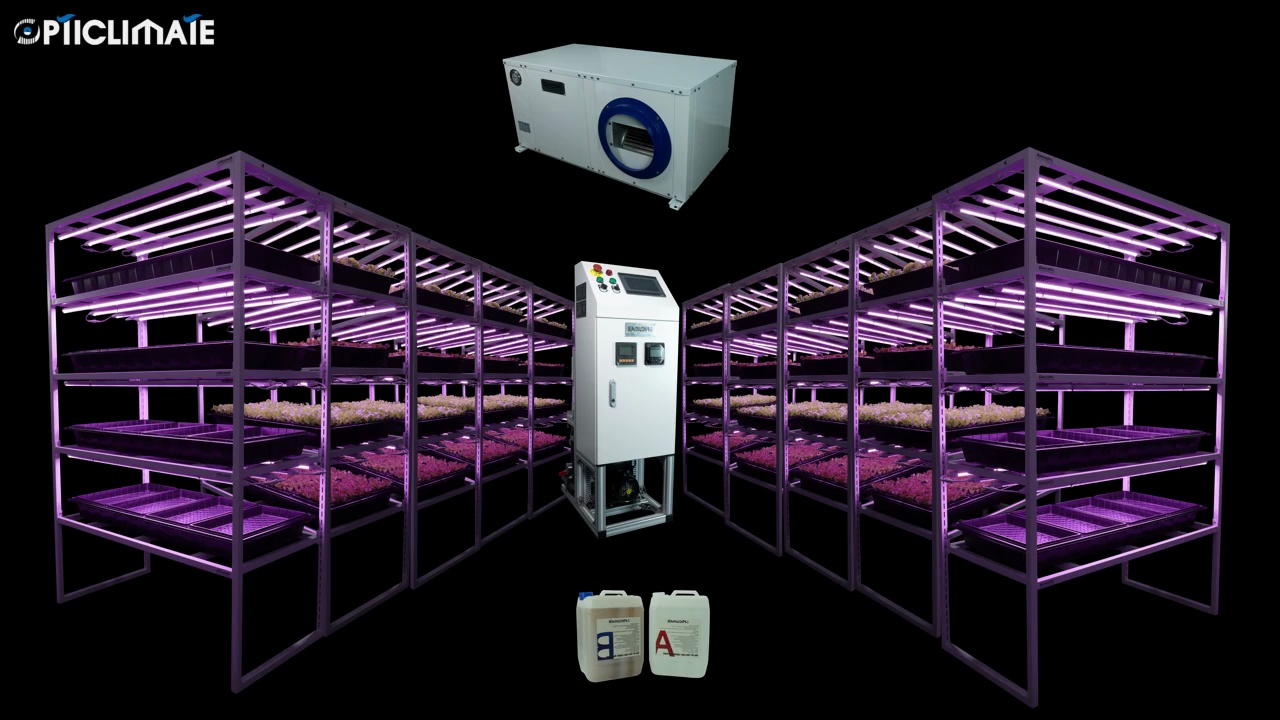
Aeroponics takes hydroponics a step further by growing plants with their roots suspended in the air and misted with a nutrient solution. This method delivers oxygen, water, and nutrients directly to the roots, promoting rapid growth and minimizing water usage.
In aeroponics, plants are anchored in containers that allow their roots to dangle freely. A fine mist of nutrient solution is periodically sprayed onto the roots, providing the necessary sustenance without submerging them. This technique enhances root oxygenation, leading to healthier and more robust plants.
Aeroponics is ideal for crops that require high oxygen levels at the roots, such as leafy greens, herbs, and microgreens. It offers advantages like reduced water consumption, faster growth rates, and the potential for higher yields in a smaller space.
Aquaponics combines hydroponics with aquaculture, creating a symbiotic environment where plants and fish coexist. In this system, fish waste provides natural fertilizer for the plants, while the plants help filter and clean the water for the fish.
The aquaponics system typically involves fish tanks connected to grow beds. Water from the fish tanks, rich in nutrients from fish waste, is pumped to the grow beds where plants absorb these nutrients. The purified water is then recirculated back to the fish tanks.
This method is highly sustainable and efficient, making it ideal for producing a variety of crops, including leafy greens, herbs, and some fruiting plants, alongside fish like tilapia or koi. Aquaponics systems require careful balance and management but offer the benefit of producing both plant and animal products in a closed-loop system.
While less common in high-tech indoor farms, soil-based systems are still used in controlled environments. These systems use traditional soil as the growing medium but optimize environmental factors like light, temperature, and humidity to improve plant growth.
Soil-based systems are straightforward and familiar to many farmers. They involve growing plants in containers filled with high-quality soil or soil substitutes. These systems can be enhanced with advanced irrigation and lighting technologies to create ideal growing conditions.
Soil-based systems are versatile and can support a wide range of crops, from vegetables and fruits to ornamental plants. They offer the benefit of using a natural growing medium, which can enhance the flavor and quality of the produce.
Wind speed control is a critical component in the success of indoor farming. By managing airflow, you can create optimal growing conditions that enhance plant health, improve yields, and maintain a stable environment. Let’s explore why wind speed control is so important and the effects of improper wind speed on your crops.
Wind speed plays a pivotal role in enhancing plant growth by ensuring adequate air circulation. Good airflow helps distribute carbon dioxide evenly throughout the growing area, which is essential for photosynthesis. Plants need carbon dioxide to produce the energy they require to grow and thrive. By maintaining proper wind speed, you ensure that all plants receive the carbon dioxide they need, promoting uniform and vigorous growth.
Additionally, controlled wind speed strengthens plant stems. The gentle movement caused by airflow mimics natural outdoor conditions, encouraging plants to develop stronger, more resilient structures. This is particularly important for tall or heavy-fruited plants, as stronger stems support better overall growth and higher yields.
Indoor farming environments require precise control over temperature and humidity to create optimal growing conditions. Wind speed control is integral to this process. Proper airflow helps regulate temperature by dispersing heat generated by lights, equipment, and plant metabolism. This prevents hot spots and ensures a consistent temperature throughout the growing area.
Humidity regulation is another critical aspect of wind speed control. Excessive humidity can lead to mold, mildew, and other fungal diseases that can devastate crops. By maintaining appropriate wind speed, you can keep humidity levels in check, reducing the risk of disease and ensuring a healthier growing environment. This balance is crucial for plants that are particularly sensitive to humidity fluctuations.
Poor air circulation can create stagnant, humid conditions that are ideal for the development of diseases and mold. These pathogens thrive in environments where moisture accumulates on plant surfaces. Wind speed control helps mitigate this risk by promoting evaporation and reducing the likelihood of moisture buildup.
Effective wind speed control also limits the spread of airborne diseases. By keeping the air moving, you can prevent the concentration of pathogens around your plants. This reduces the risk of infections and helps maintain a healthy crop. Proper airflow is especially important in densely planted areas where air movement might otherwise be restricted.
Improper wind speed, whether too low or too high, can have detrimental effects on plant growth. Insufficient airflow can lead to stunted growth as plants struggle to get enough carbon dioxide for photosynthesis. Without adequate carbon dioxide, plants cannot produce the energy they need, resulting in slower growth and reduced yields.
Conversely, excessive wind speed can physically damage plants. Strong, constant winds can cause leaves to dry out and stems to break, leading to reduced plant health and productivity. Maintaining the right balance is essential to ensuring your plants grow strong and healthy.
Poor wind speed control can make your plants more vulnerable to pests. Stagnant air creates a favorable environment for pests to thrive, making it easier for them to infest your crops. Without sufficient airflow, plants may become weakened and more susceptible to pest attacks.
On the other hand, too much wind can stress plants, making them more susceptible to damage from pests. Stressed plants often have weakened defenses, making it easier for pests to establish themselves and cause harm. Proper wind speed control helps create an environment that deters pests and keeps your plants healthy and resilient.
Improper wind speed control can also lead to energy inefficiency. If fans and ventilation systems are not properly calibrated, you may end up using more energy than necessary to maintain airflow. This can increase operational costs and reduce the overall sustainability of your indoor farming operation.
By optimizing wind speed, you can ensure that your ventilation systems are working efficiently, reducing energy consumption and costs. This not only benefits your bottom line but also contributes to a more sustainable and environmentally friendly farming practice.
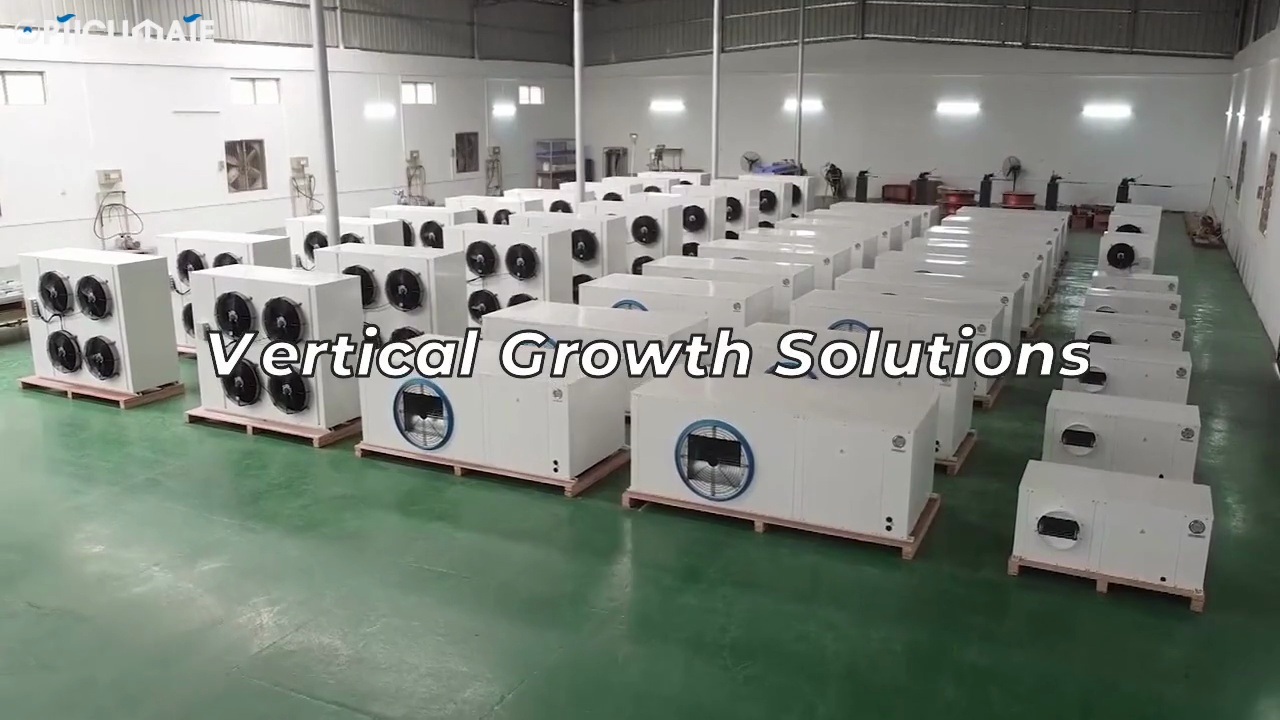
Wind speed control is vital for optimizing the growth and quality of various crops in indoor farming. By tailoring airflow to the specific needs of each type of plant, you can enhance their health, increase yields, and improve overall productivity. Let’s delve into how different crops benefit from precise wind speed control.
Leafy greens, such as lettuce, spinach, and kale, thrive in environments with good air circulation. Proper wind speed ensures that fresh air, rich in carbon dioxide, is consistently available to the plants. This promotes efficient photosynthesis, enabling rapid and healthy growth. Improved air circulation also helps prevent the buildup of moisture on leaves, which can lead to fungal diseases and rot.
For leafy greens, maintaining a gentle yet consistent airflow is crucial. This prevents the leaves from becoming too wet and reduces the risk of diseases such as downy mildew. Healthy, well-circulated plants are more resilient and produce higher-quality leaves, leading to better yields and more marketable produce.
Proper wind speed control aids in the uniform distribution of nutrients. When air moves evenly across the growing area, it helps maintain consistent temperature and humidity levels, which are critical for nutrient uptake. Leafy greens absorb nutrients through their roots, and any imbalance in the growing environment can affect this process.
By ensuring optimal wind speed, you create a stable environment that supports effective nutrient absorption. This results in vibrant, nutrient-dense leafy greens with better texture and flavor. The overall quality of the produce is enhanced, making it more appealing to consumers.
Fruiting vegetables like tomatoes, peppers, and cucumbers require adequate pollination to set fruit. In an indoor farming setup, natural pollinators such as bees may not be present, making wind speed control crucial for facilitating pollination. Proper airflow helps move pollen from one flower to another, ensuring successful fertilization and fruit development.
By optimizing wind speed, you can simulate the natural pollination process, improving the yield and quality of fruiting vegetables. Consistent airflow ensures that pollen reaches all parts of the plant, leading to a uniform fruit set and higher productivity.
Fruiting vegetables are particularly susceptible to diseases such as powdery mildew and botrytis, which thrive in humid conditions. Controlled wind speed helps manage humidity levels, preventing the onset of these diseases. By reducing moisture on the plant surfaces, you create an environment that is less conducive to pathogen growth.
Effective wind speed control also limits the spread of airborne diseases. Proper air circulation disperses spores and pathogens, reducing the concentration around the plants. This helps keep your fruiting vegetables healthy and minimizes the need for chemical interventions, promoting a more sustainable farming practice.
Herbs and microgreens are delicate crops that benefit greatly from precise wind speed control. These plants require consistent airflow to maintain optimal growing conditions. Proper wind speed helps prevent the buildup of heat and humidity, which can be detrimental to these sensitive crops.
For herbs, like basil, parsley, and cilantro, good air circulation promotes robust growth and prevents the development of mold and mildew. Microgreens, which are harvested at a young stage, require an even more controlled environment to ensure uniform growth. Consistent wind speed helps maintain the ideal conditions for these tiny but nutrient-rich plants.
Wind speed control plays a significant role in enhancing the flavor and aroma of herbs. Proper airflow helps concentrate the essential oils that give herbs their distinctive flavors and scents. By maintaining the right environmental conditions, you can produce herbs with more intense and appealing flavors.
For microgreens, which are often used as garnishes or in salads, maintaining optimal wind speed ensures that they grow evenly and develop a consistent texture and taste. This is crucial for achieving high-quality, marketable produce that meets consumer expectations.
Wind speed control is a crucial element for successful indoor farming. It plays a significant role in enhancing plant growth, regulating temperature and humidity, and preventing diseases. Whether you’re growing leafy greens, fruiting vegetables, herbs, or microgreens, proper airflow can make a substantial difference in the health and productivity of your crops.
If you’re looking to enhance your indoor farming operation, consider implementing wind speed control systems. The benefits are clear, and the technology is readily available. At OptiClimatefarm, we offer a range of solutions to help you optimize your indoor farming setup. Explore our resources and see how our advanced wind speed control systems can transform your farming practice.
Together, we can create a more sustainable and productive future for agriculture. Visit our website at OptiClimatefarm to learn more about our products and services, and start your journey towards maximizing indoor farming efficiency today.

Copyright © 2026 OPTICLIMATE FARM LIMITED - opticlimatefarm.com All Rights Reserved.

