Where there is a plant factory, there is Opticlimatefarm.
Language
Explore the advantages and disadvantages of vertical farming. Discover the key pros and cons shaping the future of agriculture and sustainable food production.
Imagine fields stacked stories high, right in the city center, growing food year-round with dramatically less water. That's vertical farming. It sounds like a fix for many food supply issues. But is this high-tech solution all upside, or are there serious drawbacks to consider? We explore the good, the bad, and the practical realities.
Traditional farms need sprawling fields. Lots of them. Vertical farming completely changes the game by thinking up, not out. By growing produce in vertically stacked layers, often indoors using systems like hydroponics or aeroponics, these operations slash the amount of land needed.
Imagine transforming a warehouse or even an old shipping container into a high-output farm. It’s radically different from needing acres of fertile soil. This allows food production to happen in urban centers, close to consumers. Some vertical farms boast yield productivity per square foot that blows traditional field farming out of the water.
This clever use of space directly leads to another huge benefit: significantly higher crop yields. Here’s how they pull it off:
● Continuous Harvests: Forget seasons. Indoor farms operate 365 days a year, providing a steady, predictable supply regardless of blizzards or heat waves.
● Perfected Conditions: Plants receive fine-tuned light, water, and nutrients. This controlled environment can speed up growth cycles for many crops.
● Layer Multiplier: Each level added multiplies the growing capacity within the same building footprint. More layers mean exponentially more produce.
You get vastly more food from a tiny patch of land compared to conventional methods. This efficiency is key to its potential for feeding cities more sustainably.
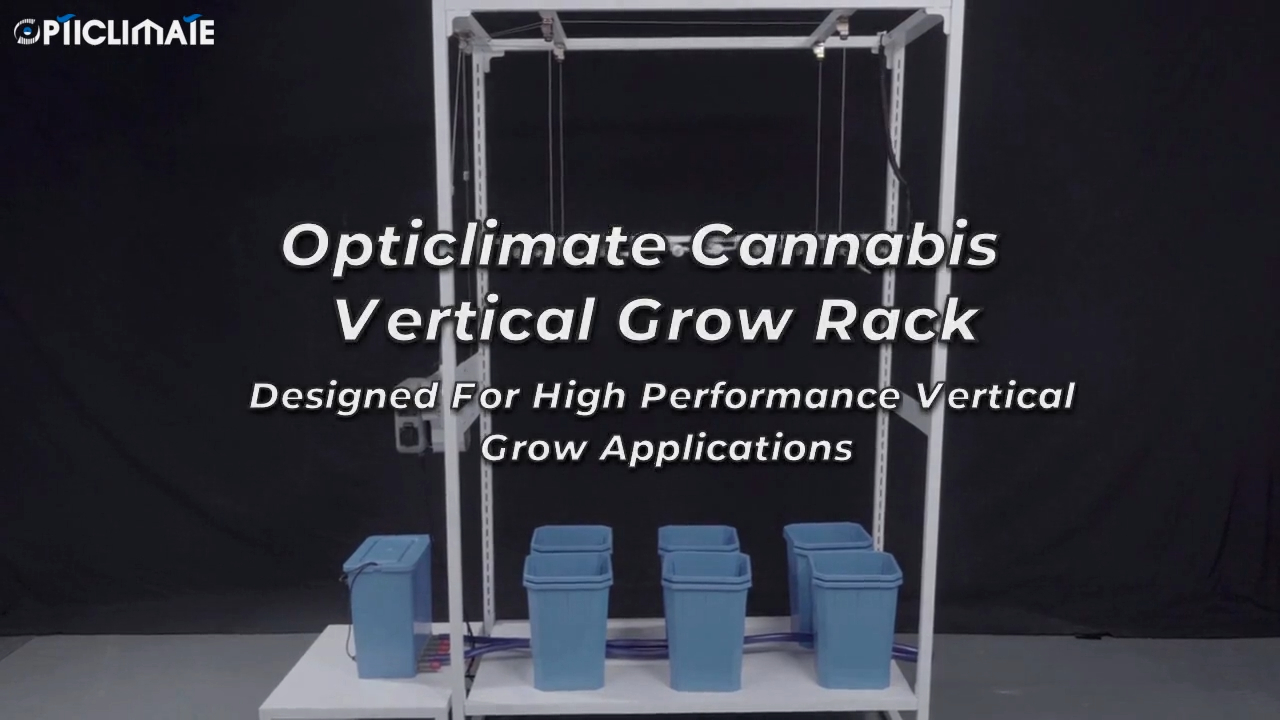
While the yields are impressive, getting a vertical farm up and running requires serious cash. We're talking about a significant upfront investment. Think specialized buildings or retrofits, sophisticated hydroponic or aeroponic systems, climate control, and advanced LED lighting. It's far from cheap dirt farming.
This initial capital outlay can be a major barrier, especially for smaller operations or those in developing regions. Securing funding requires a solid business plan demonstrating long-term profitability against these steep starting costs.
Then there's the ongoing expense: energy. Powering those thousands of LEDs and maintaining precise climate conditions 24/7 consumes a massive amount of electricity. This is arguably vertical farming's biggest Achilles' heel.
Here's why energy use is such a sticking point:
● High Electricity Bills: This directly impacts operational costs and the final price of the produce. Can it compete with field-grown prices? Often, that's a tough calculation.
● Environmental Footprint: If the electricity isn't sourced from renewables, the carbon footprint can offset some of the environmental gains made elsewhere (like reduced water use or transport). It's a critical trade-off.
● Grid Dependence: Operations rely heavily on a stable and affordable power supply, which isn't a given everywhere.
These financial and energy demands are serious considerations. They shape the economic viability and true sustainability picture of vertical farms today.
You won't find fields of wheat or corn inside a vertical farm, at least not yet. The current technology and economics heavily favor certain types of produce over others. It comes down to factors like plant size, growth speed, value, and pollination needs.
Generally, the best fits for vertical farming are:
● Leafy greens (lettuce, spinach, kale, arugula)
● Herbs (basil, mint, cilantro, parsley)
● Microgreens
● Certain small fruits (like strawberries)
These crops tend to grow quickly, are lightweight, don't need huge root systems, and command a good market price relative to their production cost. They are perfectly suited to the stacked, controlled environments.
On the other hand, many staple crops are currently impractical or uneconomical for large-scale vertical farming:
● Grains: Wheat, rice, and corn need vast areas and have lower market values per pound, making indoor cultivation prohibitively expensive.
● Root Vegetables: Potatoes, carrots, and beets require deep soil or substrate, which is tricky in many vertical systems.
● Large Vining Plants: Think tomatoes (often grown, but require more space/support), cucumbers, or melons.
● Tree Fruits: Apples, oranges, bananas – obviously not suited for these setups.
Pollination can also be a challenge for some fruiting plants indoors, often requiring manual effort or the introduction of bees, adding complexity. So, while great for salads and herbs, vertical farming isn't replacing traditional farms for all our food needs right now.
Vertical farming isn't likely to replace all traditional agriculture. Let's be clear about that. The high costs, energy demands, and crop limitations mean it's not a silver bullet for global hunger.
However, it holds real promise as part of a larger, more resilient food system. Its strengths align well with specific needs, especially as the world population grows and urbanizes.
Consider these points:
● Boosting Urban Food Supply: Growing fresh produce directly in cities cuts down significantly on "food miles" – the distance food travels from farm to plate. This means fresher food with a potentially lower transportation footprint.
● Climate Resilience: Indoor farms are immune to droughts, floods, and storms that devastate conventional crops. This offers a layer of stability in an era of climate uncertainty.
● Niche Crop Production: It allows for local production of high-value or delicate crops that might otherwise be imported, sometimes with better quality control.
● Supplementing, Not Supplanting: Think of it as a powerful tool alongside traditional farming, greenhouse production, and other methods. Each has its place.
So, while you won't see staple grains coming from vertical farms soon, they offer a compelling way to bolster food security, particularly for fresh greens and herbs in urban environments or regions where field farming is challenging. It's a technology with specific, valuable applications for our future food landscape.
One major plus often highlighted is how vertical farming slashes the need for chemical intervention. Think about it: growing indoors in a highly controlled environment creates a natural barrier against many common agricultural pests and diseases.
Open fields are exposed. Bugs fly in, weeds blow in, and soil-borne diseases can spread easily. Farmers often rely heavily on pesticides and herbicides to protect their crops. Vertical farms, sealed off from the outside world, largely bypass these issues.
Here’s why that matters:
● Less Chemical Residue: With fewer pests and diseases, there's far less need to spray chemicals onto the food you eat. This can lead to produce that many consumers feel is "cleaner" or safer.
● Environmental Protection: Reduced pesticide use means less potential for harmful chemical runoff polluting nearby soil and water sources. It's a win for local ecosystems.
● Worker Safety: Farmworkers avoid the direct exposure associated with applying pesticides in traditional settings.
So, is vertical farming the future? It's part of it. These high-tech farms offer incredible space and yield efficiency, turning small footprints into productive zones. Plus, their water savings are a massive environmental win.
But we can't ignore the steep startup costs and the heavy energy consumption. These are significant economic and environmental factors. Add the fact that only certain crops are truly viable right now, and you see it's not a one-size-fits-all solution.
Vertical farming shines brightest where its strengths meet specific needs – bringing fresh greens and herbs right into cities, providing food in harsh climates, or ensuring a stable supply when outdoor conditions fail. It complements, rather than replaces, traditional methods. It's a specialized tool, poised to make a real difference in specific areas of our food supply chain.

Copyright © 2026 OPTICLIMATE FARM LIMITED - opticlimatefarm.com All Rights Reserved.

