Where there is a plant factory, there is Opticlimatefarm.
Language
Explore the advantages and disadvantages of vertical farming. Discover if this innovative agricultural method is the future of sustainable food production.
Is our current food system sustainable? We rely on vast tracts of land and a lot of water to grow what we eat. This traditional approach faces big challenges with a growing global population and climate change. Vertical farming offers a different path forward.
You're about to discover the full picture of vertical farming, weighing its benefits against its drawbacks. We break down the realities so you can see if this innovative method truly holds the key to a greener future.
Vertical farming lets us grow food in stacked layers, often indoors. Think about it: instead of acres and acres of flat land, we're building up. This means you can produce a significant amount of food in a much smaller footprint.
Imagine a city building producing fresh vegetables for its residents—that's the power of vertical farming. We can grow crops like leafy greens, herbs, and even some fruits right in urban areas, drastically cutting down on the distance food travels from farm to plate.
Traditional farming depends on the seasons and local climate. If it's winter, your outdoor growing season is over. But with vertical farming, you control the environment.
We manage light, temperature, and humidity, which means you can harvest crops 365 days a year, regardless of the weather outside. This reliability means a consistent supply of fresh produce, even in places with harsh climates where conventional farming is impossible.
Water scarcity is a big deal. Vertical farming systems often use hydroponics or aeroponics, methods that recycle water. This dramatically reduces water consumption compared to traditional agriculture.
Some estimates suggest vertical farms use as much as 95% less water. Plus, because the environment is controlled, we can minimize pests and diseases. This means less need for harmful pesticides, giving you cleaner, healthier produce. It's a win-win for both the environment and our health.
While vertical farming sounds like a silver bullet, it faces its own set of hurdles. We need to be realistic about these before we embrace them fully. You'll find that some of the biggest advantages also come with significant costs.
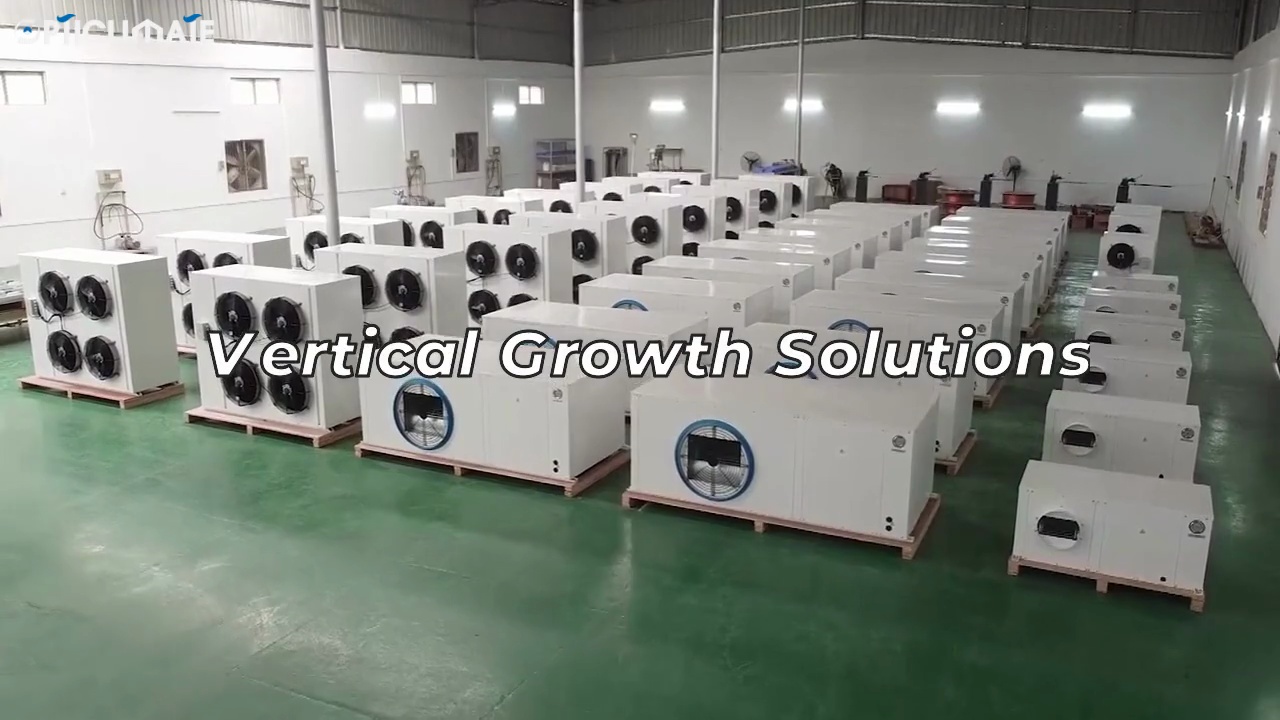
Building a vertical farm isn't cheap. You're investing in specialized equipment: LED lights, climate control systems, nutrient delivery systems, and sophisticated sensors. This isn't your grandfather's farm shed.
The initial capital expenditure can be quite high, making it a significant barrier for new ventures. This means it can take a while before you see a return on your investment, which is something many traditional farms don't face to the same degree.
Those fancy LED lights and climate control systems? They consume a lot of electricity. Maintaining the optimal temperature, humidity, and lighting for crops year-round means a constant drain on the power grid.
If your energy source isn't renewable, then the environmental benefit of reduced land use might be offset by a large carbon footprint from energy consumption. This is a critical point to consider when evaluating the true "green" credentials of vertical farming.
Currently, vertical farming excels with certain crops, particularly leafy greens, herbs, and some smaller fruits like strawberries. These plants have shorter growth cycles and respond well to controlled environments.
However, growing staple crops like wheat, corn, or potatoes in a vertical farm is often not economically viable or practical due to their size, growth requirements, and lower market value per pound. This means vertical farming won't replace all traditional agriculture overnight; it complements it.
While vertical farming offers incredible benefits, it's not without its challenges. The initial setup cost for a vertical farm is often quite high. We're talking about specialized equipment like LED lights, climate control systems, and advanced irrigation. These aren't your typical garden tools. This significant upfront investment can be a big hurdle for new ventures.
You know how we control the environment for year-round growth? That takes power. Vertical farming operations can be energy-intensive, especially for lighting and maintaining optimal temperatures and humidity. If your energy comes from non-renewable sources, the environmental footprint might not be as green as you'd hope. We need to consider how energy is sourced to truly maximize sustainability.
While we can grow a lot in vertical farms, not every crop is a perfect fit. Leafy greens, herbs, and some berries thrive. But imagine trying to grow a field of corn or potatoes in a vertical setup—it's just not practical or economically viable right now. The limitations on crop variety mean vertical farming won't replace all traditional agriculture overnight. We're still far from feeding the world solely with vertically farmed staples.
Running a successful vertical farm isn't like planting a seed in your backyard. It demands a good grasp of plant science, hydroponics, and even automation. You need to understand nutrient solutions, light spectrums, and climate control. This specialized knowledge can make finding and training staff a bit of a challenge. It's a precise science, and mistakes can be costly.
In a controlled indoor environment, natural pollinators like bees are absent. For crops that require pollination to produce fruit, this creates a dilemma. We often rely on manual pollination, which can be labor-intensive and expensive as operations scale up. Researchers are actively working on automated solutions, but for now, it's a significant consideration for many fruiting crops in vertical farming.
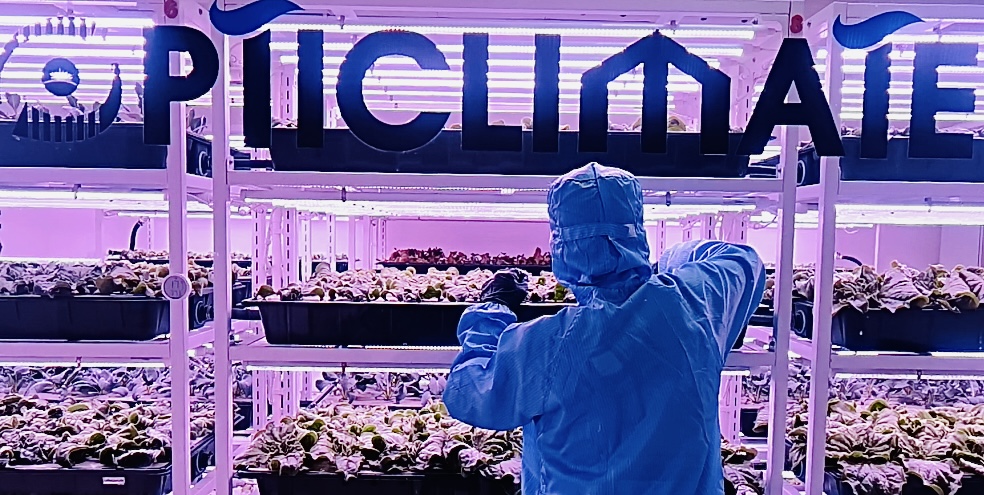
You might think vertical farming is just a concept, but it's already making a real impact. Around the globe, innovators are proving what's possible with this technology. We see vertical farms springing up in unexpected places, providing fresh food where it's needed most.
In many cities, you’ll find companies like AeroFarms setting up large-scale vertical farms. They're growing tons of leafy greens right in urban centers, delivering produce to local markets and restaurants the same day it's harvested. This significantly reduces "food miles," meaning your salad travels less distance to get to your plate. It also helps bolster local economies and provides job opportunities in new sectors.
Think about regions with limited arable land or harsh climates. Vertical farming can be a lifeline. We've seen projects in arid areas or cold climates that produce fresh vegetables year-round, vastly improving food security for communities that once relied on imported produce. This means a consistent supply of nutritious food, even in environments where traditional agriculture struggles.
The world of vertical farming is constantly evolving. Companies are experimenting with different light spectrums to optimize plant growth and flavor. We're seeing advancements in automation, using robots to plant, monitor, and harvest crops, which can help drive down labor costs.
There's also ongoing research into expanding the variety of crops that can be grown efficiently in these systems. For example, some are even looking at how to grow things like strawberries or even certain root vegetables more effectively within a vertical setup. This continuous innovation makes vertical farming an exciting space to watch.
So, what's the verdict on vertical farming? We've explored the exciting benefits: massive yields in tiny spaces, year-round harvests, and incredible water savings. Imagine fresh, local produce available no matter the season or location. Vertical farming truly offers a compelling vision for a more sustainable food future.
Of course, we've also looked at the hurdles. The initial investment can be high, and energy demands need careful consideration. Not every crop is a perfect fit, and the technical know-how is crucial. But innovation is moving fast, and these challenges are being addressed by smart minds around the world.
Vertical farming isn't a silver bullet for all our food problems, but it’s definitely a powerful tool in our arsenal. It represents a significant step towards feeding a growing population with less environmental impact. As technology advances and costs come down, we can expect to see vertical farming play an even bigger role in how we get our food. To learn more about how controlled environments are shaping the future of agriculture, visit OptiClimate.

Copyright © 2026 OPTICLIMATE FARM LIMITED - opticlimatefarm.com All Rights Reserved.

