Where there is a plant factory, there is Opticlimatefarm.
Language
Where there is a plant factory, there is Opticlimatefarm.
Have you ever wondered about the future of farming? Look no further than a hydroponic vertical farming system. Imagine fresh, organic produce grown in a space-saving, sustainable way. Discover the innovative technology behind this modern farming method and learn how you can be a part of revolutionizing the way we grow our food. Dive into the world of hydroponic vertical farming and see the endless possibilities it holds.
Picture growing fresh greens, herbs, or even fruits stacked floor-to-ceiling, indoors, with absolutely no soil involved. Sounds futuristic? It's happening now with hydroponic vertical farming. This approach tackles the challenge of limited space and resource constraints, allowing for cultivation in places you'd never expect – like cities – often using up to 90% less water than traditional agriculture.
Let's get clear on what we mean by "hydroponic vertical farm". It’s simpler than it might sound. We’re essentially combining two smart farming methods into one powerful system. Think of it as a mashup of efficiency.
First up is the hydroponic part. This means water-based growing. Instead of soil, plants get their essential nutrients directly from a water solution delivered straight to their roots. No dirt needed. Seriously. The focus is on delivering exactly what the plant needs, right when it needs it, via water.
Then comes the vertical farming aspect. This is all about growing upwards. We cultivate crops in stacked layers, on shelves, or on vertical surfaces. Picture racks of vibrant leafy greens reaching towards the ceiling, often inside a building. This technique squeezes maximum production out of a minimal footprint – ideal for cities or controlled indoor environments.
Put these two concepts together, and you have hydroponic vertical farming. The key defining characteristics are:
● Soil-less Cultivation: Plants grow entirely without traditional soil.
● Water-Based Nutrient Delivery: Roots absorb nutrients directly from a circulating water solution.
● Vertical Stacking: Crops are arranged in layers or tiers, going up rather than out.
● Controlled Environment Agriculture (CEA): Typically involves managing factors like light (often LEDs), temperature, and humidity indoors for optimal growth.
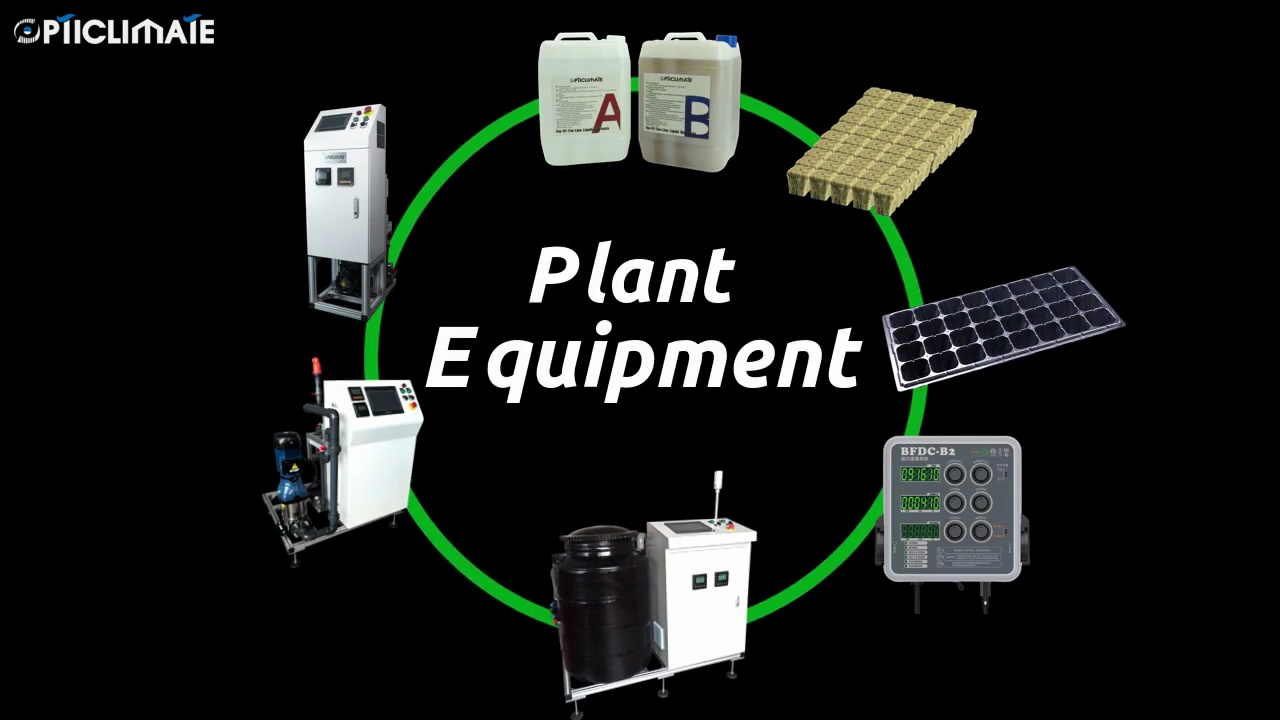
We know what defines a hydroponic vertical farm. But how does it actually work? How do plants thrive when they're stacked indoors without a speck of dirt beneath them? It boils down to precision delivery.
The absolute secret sauce is the nutrient-rich water solution. This isn't just plain water; it's a carefully balanced liquid diet containing all the essential minerals and nutrients plants usually pull from healthy soil. Think of it as a perfectly tailored meal plan, delivered directly to the roots. No middleman (like soil) required.
Here’s a breakdown of how the system brings it all together:
1. The Vertical Structure: This is the backbone. You'll see various designs – tall shelving units (racks) with multiple horizontal growing beds are common. Others might use A-frame structures or even tall columns or panels where plants grow out from the sides. The goal is always the same: maximize planting density by utilizing vertical space. Go up, not out.
2. Root Support (Not Soil): Plants still need something to hold onto. Instead of soil, they often start in small plugs or cubes made from an inert growing medium. Popular choices include:
○ Rockwool: Spun mineral fibers.
○ Coco Coir: Coconut husk fibers.
○ Perlite: Volcanic glass puffed up like popcorn. These materials provide physical support and moisture retention, but don't provide nutrients themselves – that's the water's job. Some hydroponic techniques (like Nutrient Film Technique or Aeroponics, which we might touch on later) use minimal or no medium at all, supporting bare roots.
3. Nutrient & Water Circulation: This is the circulatory system. A central reservoir holds the prepared nutrient solution. A submersible pump pushes this solution through a network of tubing or channels. This water flows directly past or through the plant roots, delivering hydration and food. In most setups, the excess water drains back to the reservoir to be filtered and recirculated. This closed-loop system is incredibly water-efficient.
4. Precision Lighting: Indoor vertical farms rely heavily on artificial light. Forget old incandescent bulbs. High-efficiency LED grow lights are the industry standard. They're energy-efficient, produce little heat, and can be tuned to provide the exact light spectrums (reds and blues, primarily) that plants need for robust photosynthesis. Their slim profile also works perfectly between stacked layers.
5. Climate Management (CEA): Beyond light and water, top-notch vertical farms operate within a Controlled Environment Agriculture (CEA) model. This means actively managing air temperature, humidity levels, airflow, and sometimes even carbon dioxide concentration. It’s about creating the perfect growing day, every single day, regardless of the weather outside.
The setup involves some tech – pumps, lights, and controlled environments. What makes it worth the effort? The advantages are significant, touching on efficiency, sustainability, and even food quality. It's about growing smarter, not just harder.
Here’s a breakdown of the major payoffs you get with hydroponic vertical farming:
● Massive Space Optimization: This is often the most visible benefit. By stacking layers vertically, you can cultivate an incredible amount of food using a very small land footprint. We're talking about potentially matching the output of a traditional farm acre within the confines of a much smaller indoor space. It completely changes the game for land use.
● Dramatic Water Savings: These systems sip water compared to conventional agriculture. Because the water (with nutrients) is delivered directly to the roots and often recirculated, very little is lost to evaporation or runoff. Expect water usage reductions of up to 90-95%. That's huge, especially in water-scarce regions.
● Boosted Crop Yields: Happy plants grow better and faster. Providing optimized light, nutrients, temperature, and humidity around the clock often leads to quicker growth cycles. Combine that with the ability to pack more plants into the same square footage (by going vertical), and you get significantly higher yields per area, more often.
● Consistent Year-Round Harvests: Forget waiting for the right season. Indoor hydroponic vertical farms are largely immune to weather woes – no droughts, floods, unexpected frosts, or scorching heat waves to worry about. This allows for predictable, consistent harvests 365 days a year. Local strawberries in winter? Totally possible.
● Reduced Reliance on Pesticides: Growing indoors in a controlled environment creates a barrier against many common pests and diseases. This drastically cuts down the need for chemical interventions like pesticides, herbicides, and fungicides. The result is often cleaner produce with minimal-to-zero chemical residues.
● Location Independence: You don't need prime agricultural land. A vertical farm can be set up almost anywhere with stable power and a water source – think empty warehouses, shipping containers, basements, or dedicated new structures right in the city. This opens up farming possibilities in previously impossible locations.
● Shorter Supply Chains & Fresher Food: Growing food closer to where people live cuts down significantly on "food miles". This means reduced transportation costs and emissions. More importantly, produce can be harvested at its peak ripeness and reach consumers sometimes within hours, offering superior freshness and flavor.
Think of these as different engines driving the same type of vehicle. Each system has its own way of operating, suited to different plants or operational preferences. Here are the main players you'll likely encounter in a vertical farming context:
Imagine a very shallow, slow-moving river nourishing plant roots. In NFT, a continuous, thin film of nutrient solution flows down through enclosed channels or troughs (often called gullies). Plants sit in openings on top, allowing their bare roots to dangle into this constantly flowing nutrient stream.
● Vertical Adaptation: Channels are typically arranged in stacked tiers, often with a slight slope to keep the water moving via gravity.
● Best Suited For: Fast-growing, lightweight plants like lettuce, spinach, herbs, and strawberries.
As the name suggests, this involves deep water. Plant roots are suspended directly in a reservoir filled with oxygenated nutrient solution. Often, plants sit in net pots on floating rafts or fixed lids covering the reservoir. Continuous oxygenation (usually via air pumps and air stones) is critical to prevent roots from suffocating.
● Vertical Adaptation: Can involve stacking reservoirs or deep trays, although managing the weight and plumbing can be more complex than NFT for large vertical scale.
● Best Suited For: Water-loving plants, including leafy greens; some larger plants can work if properly supported.
This system operates on a cycle. Plants are grown in a tray or bed filled with an inert medium (like clay pebbles or rockwool). Periodically, nutrient solution is pumped up from a reservoir below to flood the grow bed, submerging the roots. After a short period, the pump shuts off, and the solution drains back down into the reservoir. A timer controls these cycles.
● Vertical Adaptation: Involves stacking these flood-and-drain trays, requiring careful plumbing to manage the filling and draining across multiple levels.
● Best Suited For: A wide variety of plants, including those that prefer periods where roots can access more air between waterings.
Often considered the most advanced method, aeroponics involves misting. Plant roots hang suspended in the air within an enclosed chamber or container. At regular intervals, high-pressure misters spray the roots directly with a fine mist of nutrient solution. This maximizes oxygen exposure to the roots while using very little water.
● Vertical Adaptation: Commonly seen in vertical towers where plants grow outwards, or in stacked enclosed chambers.
● Best Suited For: Leafy greens, herbs, strawberries; known for potentially rapid growth rates. NASA has notably used aeroponics for space research.
This borrows from traditional drip irrigation but uses a hydroponic nutrient solution and inert media. Small emitters deliver controlled drips of the solution directly to the base of each plant, typically growing in a container filled with coco coir, perlite, or rockwool. These containers are arranged vertically on racks or towers. Excess solution can be captured and recirculated.
● Vertical Adaptation: Flexible tubing runs vertically, supplying drippers at each plant site on the structure.
● Best Suited For: Larger or vining plants that require more substantial root support, like tomatoes, peppers, and cucumbers.
Stepping back, it's clear that hydroponic vertical farming offers a compelling vision for growing food differently. We've explored how it merges the efficiency of soil-free hydroponic nutrient delivery with the ingenuity of space-saving vertical layouts, often all managed within a controlled indoor setting.
What does this mean in practice? It translates to some powerful advantages: remarkable water conservation, the ability to produce crops consistently throughout the year regardless of climate, a significant reduction in pesticide use, and the potential to set up farms almost anywhere – including right in the heart of our cities. This method directly addresses challenges of land scarcity and resource management.
We also touched on the different flavors this technology comes in, from the flowing water films of NFT and the submerged roots of DWC, to the cycling floods of Ebb and Flow, the fine mists of aeroponics, and the targeted drip systems. While the mechanics vary, the objective remains consistent: cultivating more food, more efficiently, using less space.
Thinking about the future, hydroponic vertical farming presents a potent tool in our toolkit for building more sustainable and resilient food systems. It provides tangible ways to shorten supply chains, deliver fresher produce, and reduce agriculture's environmental footprint. It’s a glimpse at farming, thoughtfully reimagined for the demands of today and tomorrow.

Copyright © 2026 OPTICLIMATE FARM LIMITED - opticlimatefarm.com All Rights Reserved.