Where there is a plant factory, there is Opticlimatefarm.
Language
Where there is a plant factory, there is Opticlimatefarm.
What is commercial vertical farming? Explore the future of agriculture with indoor, vertically stacked crop production for a large-scale, year-round food supply.
Vast fields aren't the only way to farm at scale anymore. Commercial vertical farming uses stacked indoor systems, sometimes yielding 100 times more produce per square foot than traditional fields. It's a method bringing fresh, local food production closer to cities, available all year.
What exactly is commercial vertical farming? At its core, it’s the practice of growing food crops indoors, arranged in vertical layers or stacks. You might picture shelves upon shelves of leafy greens under lights inside a building – that's getting close.
This approach takes farming off sprawling, horizontal fields and brings it inside controlled environments. Instead of relying solely on soil and unpredictable sunlight, these farms often use methods like hydroponics (feeding plants with nutrient-rich water), aeroponics (using a nutrient mist), or aquaponics (a system combining plants and fish). Everything from light and temperature to water and nutrients gets carefully managed.
The key part of the name is commercial. This isn't just about a few plants for personal use. We're talking about large-scale operations designed to produce substantial amounts of food consistently. The goal is to supply produce to grocers, restaurants, and local communities.
It’s a distinct model from traditional outdoor farming. By moving indoors and stacking vertically, these operations can function year-round in various locations, including dense urban areas, independent of external weather conditions.
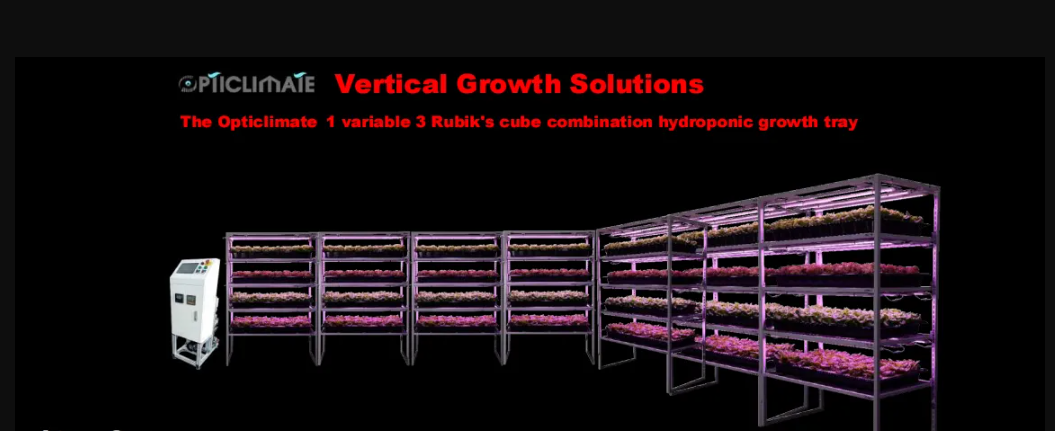
How do these farms grow so much indoors without traditional soil or sunlight? It boils down to precise technological control over nearly every aspect of the growing environment. Forget guesswork or worrying about the weather; inside a vertical farm, everything is managed.
Several key technologies are typically involved:
● Growing Systems: Soil is usually swapped out for more controlled, often water-saving methods. Common ones include:
○ Hydroponics: Plant roots get their nutrients directly from water solutions. This technique is known for its water efficiency compared to field irrigation.
○ Aeroponics: Roots are suspended in the air and periodically misted with nutrient-rich water. This method can use even less water.
○ Aquaponics: A neat system linking fish farming (aquaculture) with hydroponics. Fish waste provides natural fertilizer for the plants, and the plants help clean the water for the fish.
● Artificial Lighting: With limited or no natural sunlight reaching multiple indoor layers, specialized LED lighting is fundamental. These aren't your standard household bulbs; they're designed to emit specific light spectrums (often appearing pink or purple) that plants need for photosynthesis. Modern LEDs are much more energy-efficient than older lighting tech.
● Climate Management: Advanced heating, ventilation, and air conditioning (HVAC) systems maintain optimal temperature and humidity. Air circulation is also managed, and many farms monitor and supplement carbon dioxide (CO2) levels to boost plant growth rates.
This tech sounds promising, right? Commercial vertical farming offers some impressive advantages compared to traditional methods. Still, it faces its own set of significant obstacles. Let's weigh them up.
The Upsides (Why It's Exciting):
● Incredible Space Efficiency: Grow up, not out. By stacking layers, one acre of a vertical farm can potentially produce the equivalent yield of 10 to 20 acres of conventional farmland. This makes it ideal for dense urban areas.
● Consistent Year-Round Crops: No more off-seasons. The controlled indoor climate allows for reliable harvests 365 days a year, completely independent of outside weather conditions or seasons.
● Drastic Water Savings: These farms are water misers. Techniques like hydroponics coupled with water recycling systems can cut water consumption by 90% to 98% compared to traditional field irrigation.
● Minimal Chemical Inputs: The enclosed, controlled environment naturally deters most pests and plant diseases. This drastically reduces, or eliminates, the need for synthetic pesticides and herbicides.
● Hyper-Local Food: Farms can be built inside or right next to cities. This slashes transportation distances (food miles) and allows consumers access to exceptionally fresh produce, often harvested the same day.
● Land Use Flexibility: Got an old warehouse or unused building space? Vertical farms don't need fertile soil and can be set up in various structures on land otherwise unsuitable for agriculture.
● The Downsides (The Tough Realities):
● Major Energy Demand: This is often cited as the biggest hurdle. Powering the specialized LED lights (which can account for ~55% of energy use) and the climate control (HVAC) systems (~30%) requires substantial electricity. [Source 5.4] This drives up operating costs and, if powered by fossil fuels, adds to the carbon footprint.
● Steep Initial Costs: Getting a commercial-scale vertical farm running requires significant upfront investment. This includes the building or retrofit, sophisticated lighting, automation, sensors, and environmental control systems.
● Crop Limitations (For Now): Currently, the economics strongly favor leafy greens, herbs, and some small fruits like strawberries. Staple crops (think wheat, corn, rice, potatoes) generally aren't economically viable yet due to their growth habits, space needs, and the energy required.
● Tech Reliance & Complexity: The entire operation hinges on technology working flawlessly. Power failures, software glitches, or equipment malfunctions can quickly jeopardize an entire crop cycle.
● Need for Specialized Skills: Effectively managing these high-tech facilities requires a workforce with expertise in areas like plant science, data analysis, engineering, and system operations.
We've seen the high setup costs and significant energy needs mentioned earlier. So, the big question remains: can commercial vertical farming be profitable? The answer isn't a simple yes or no. While the potential is there, and some operations succeed, achieving profitability is challenging, and numerous startups have faced financial difficulties. Making a vertical farm financially successful involves navigating a complex set of variables. Success often depends heavily on getting these factors right:
● Tackling Energy Costs: This is arguably the most critical operating expense. Powering LED lights and sophisticated climate control systems can account for 25% to over 50% of ongoing operational costs. Utilizing energy-efficient technologies, optimizing light usage, ensuring good building insulation, and securing access to affordable (ideally renewable) energy sources are vital for viability.
● Strategic Crop Selection: The economics currently favor high-value crops with fast growth cycles. Think leafy greens, herbs, microgreens, and sometimes berries. Commodity crops like wheat, corn, or root vegetables generally don't offer the margins needed to cover the high operating costs yet.
● Operational Efficiency: Running a tight ship is essential. This involves maximizing yields from the available space, streamlining processes from seeding to harvest, and leveraging automation effectively. Automation can reduce labor costs (another major expense) but increases the initial capital outlay.
● Managing Initial Investment (CAPEX): The substantial upfront cost for the facility, specialized equipment (LEDs, hydroponic systems, sensors, controls), and installation needs careful management. Scaling appropriately and securing funding without overburdening the business financially is crucial.
● Market Access and Pricing: You need buyers lined up. Establishing contracts with retailers, restaurants, or distributors willing to pay consistently, potentially a premium price, for fresh, local, high-quality produce is key. Directly competing on price with traditionally farmed produce can be very difficult.
Commercial vertical farming is not standing still. It's a dynamic field constantly adapting and innovating. While we've discussed the real economic and energy challenges that need continuous work, the future direction shows exciting potential. Several key trends point to where this industry is likely going:
● Smarter Tech Integration: Expect Artificial Intelligence (AI), robotics, and advanced sensors (IoT) to become even more central. These tools offer ways to fine-tune lighting recipes, nutrient mixes, climate conditions, pest detection, and even automate tasks like seeding and harvesting – all aimed at boosting efficiency and lowering operating costs.
● Expanding Crop Variety: The current focus on leafy greens and herbs is largely economic. However, ongoing research and tech improvements are aimed at making more diverse crops viable for vertical farming. Think tomatoes, peppers, strawberries, and eventually, perhaps even certain staple crops, though that remains a significant challenge.
● Deeper Urban & Local Integration: Vertical farms are likely to become more woven into the fabric of cities and local food systems. This could involve purpose-built facilities, shipping container farms serving specific communities, or integration into new building designs as part of smart city initiatives.
● Sustainability Push: Addressing the significant energy footprint is a top priority. We'll likely see a stronger push towards integrating renewable energy sources (like solar or wind) directly with farm operations, alongside continued advancements in energy-efficient LED lighting and HVAC systems.
Commercial vertical farming offers a distinct approach to growing food, moving agriculture indoors and upward into controlled environments. It’s powered by specific technologies like hydroponics and tailored LED lighting, aiming for efficiency and consistency.
You've seen the potential upsides: significant water savings, the ability to harvest year-round independent of weather, minimal pesticide use, and the advantage of supplying fresh produce locally, reducing transport needs. These are compelling benefits, particularly for certain crops and markets.
Yet, the challenges are just as real. The heavy reliance on energy for lighting and climate control poses major economic and environmental hurdles. High initial investment costs and current limitations on the types of crops that can be grown profitably mean careful planning is absolutely essential.
Think of commercial vertical farming not as a replacement for all traditional agriculture, but as a specialized tool within the broader food production system. It holds clear potential for boosting food availability in urban areas, supporting local food systems, and perhaps providing solutions in regions with challenging climates or scarce resources. The technology is still developing, and its ultimate contribution will depend on overcoming the present obstacles, especially regarding energy use and overall cost-effectiveness.

Copyright © 2026 OPTICLIMATE FARM LIMITED - opticlimatefarm.com All Rights Reserved.