Where there is a plant factory, there is Opticlimatefarm.
Language
Vertical Farming is revolutionizing the way we think about agriculture. By utilizing innovative technologies and sustainable practices, vertical farming allows us to grow crops in indoor environments, stacking them vertically to maximize space and efficiency. Curious to learn more about this cutting-edge practice? Dive into our blog to discover the endless possibilities of vertical farming technology.
Is stacking farms indoors the real deal for feeding our cities, or just hype? Vertical farming promises fresh food grown using less water and no soil, often right where people live. But can it deliver consistently? Let's cut through the noise. We'll show you exactly what this approach involves and if it stacks up.
What is vertical farming when you strip away the fancy terms? It’s growing food indoors, often without soil, in vertically stacked layers. Picture shelves of lettuce reaching for the ceiling inside a building, not rows stretching across open fields.
This way of farming happens in a controlled environment. Forget unpredictable weather or seasons; you manage the light, temperature, water, and nutrients the plants receive. It’s about farming up, instead of out.
This setup is completely different from how most farming works today. Traditional farms require huge amounts of horizontal land and rely on sunlight and rainfall. Vertical farms can operate inside city skyscrapers, repurposed warehouses, or even shipping containers – potentially bringing food production much closer to consumers.
The core idea usually includes these features:
● Crops are arranged upwards on racks, towers, or panels.
● Farming takes place indoors within a managed building or structure.
● Light, water, temperature, and plant nutrition are precisely controlled.
● It frequently uses soil-free growing techniques (more on those methods next).
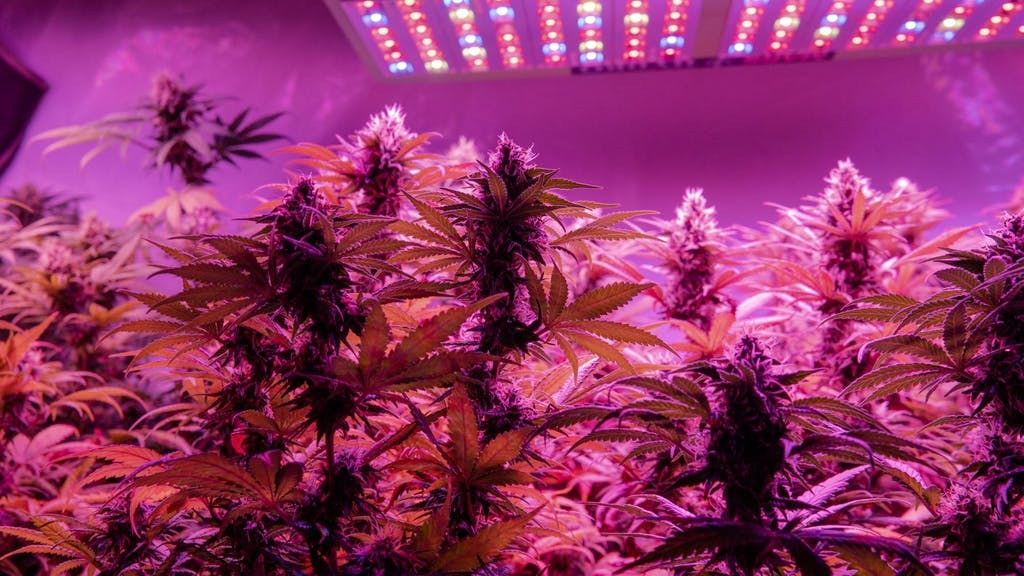
So, if there's no dirt, how do plants get water and food? Vertical farms use a few clever ways to deliver exactly what plants need, directly to their roots. The big three you'll often hear about are hydroponics, aeroponics, and aquaponics.
● Hydroponics: This is the most common way you'll find. Plant roots sit in, or are regularly flushed with, nutrient-rich water. There's no soil involved. The water solution does all the work, delivering food right to the plant roots.
● Think of it like a direct nutrient delivery service for the roots. Different hydroponic arrangements exist – some drip water onto roots, others flow a thin film of water over them constantly. Leafy greens like lettuce, herbs, and even tomatoes often do very well this way.
● Aeroponics: This one sounds complex, but the idea is neat. Plant roots hang freely in the air. A nutrient-rich mist is sprayed onto them at regular intervals. This approach generally uses even less water than hydroponics because the roots just get a fine coating. NASA experimented heavily with aeroponics for growing plants in space challenges. Since it uses such small amounts of water and nutrients, many see it as highly effective. Getting the misting schedule just right is key to success here.
● Aquaponics: This setup builds a small ecosystem. It combines raising aquatic animals like fish (that’s the aqua part) with soil-less plant growing (the ponics part). Fish waste acts as a natural fertilizer for the plants dissolved in the water.
In turn, the plants help clean and filter the water for the fish. It forms a loop where fish and plants support each other. You can get two yields – fish and produce – from mainly feeding the fish. This arrangement demands careful balance to keep both the fish and plants healthy.
Vertical farming sounds pretty neat, but is it a perfect solution? Like any approach, it has its strong points and its drawbacks. Let's look honestly at what works well and where the tricky parts come in.
Vertical farming brings some clear plus points:
● Year-Round Harvests: Forget waiting for the right season. Controlled indoor settings mean farmers can grow and harvest continuously, offering a steady food supply regardless of weather.
● Drastic Water Savings: Compared to thirsty field crops, these setups sip water. They can use up to 95% less water for some plants because it's often precisely delivered and recycled.
● Fits Tight Spaces: Growing up takes far less ground area to produce the same amount of food. This is a huge plus in cities or places lacking good farmland.
● Fewer Pesticides Needed: Indoor farms keep most pests out naturally. This often means growers can avoid chemical pesticides and herbicides entirely – giving you cleaner food.
● Grows Food Locally: Farms can operate right in urban centers or nearby communities. This slashes food miles (transport distances), potentially meaning fresher produce reaches your plate faster.
It's not without its hurdles, though:
● Steep Initial Costs: Building a vertical farm with all the racks, specialized lighting, and climate controls needs a large upfront investment. Getting started isn't cheap.
● High Energy Use: Those powerful LED lights and climate systems run constantly and consume a lot of electricity. This leads to high energy bills and questions about its overall environmental footprint, especially if relying on non-renewable power sources.
● Relies on Technology: Smooth operation hinges on everything working right. Power cuts, sensor failures, or pump issues can quickly wreck an entire crop. There's less room for error.
● Not for All Crops: Right now, vertical farming works best and makes the most economic sense for leafy greens, herbs, and some small fruits like strawberries. Growing staple foods like wheat, rice, or potatoes this way generally isn't practical yet.
● Needs Specific Skills: Operating these high-tech farms requires staff knowledgeable in both plant science and managing the controlled environment systems, which differs from traditional farming know-how.
This isn't just some drawing board idea. Vertical farms are actively growing food for people in various spots around the world today. You'll find them tucked into cities, operating in deserts, and supplying fresh greens where you might least expect it.
Many operations set up shop right in urban centers. Think repurposed warehouses or new buildings near supermarkets and restaurants in places like New York, London, or right here in parts of Asia. The goal? Get ultra-fresh greens and herbs to city folks with minimal travel time from harvest to shelf.
It's also taking root in regions facing tough growing conditions. Places with extreme heat and scarce water, like parts of the Middle East (Dubai, for instance) or densely populated areas like Singapore, use vertical farms to grow produce reliably year-round. The controlled setting sidesteps outdoor limitations like harsh weather or lack of arable land.
Here are just a few players making moves in this field (as of early 2025):
● AeroFarms: Runs large aeroponic farms, mainly on the US East Coast, known for growing specialty greens efficiently.
● Plenty: Operates big indoor farms in the US using distinctive vertical towers to grow produce like lettuce and kale.
● Bowery Farming: Supplies greens to grocery stores from its network of automated farms located near major US cities.
● Jones Food Company: Based in the UK, they run one of Europe's sizable vertical farms focusing on herbs and leafy greens for local markets.
Vertical farming is happening now, but what's the direction from here? It faces real hurdles like cost and power demands, yet ongoing work aims to make it more economical and useful in more places. The field isn't sitting idle.
A huge piece of the puzzle is bringing down costs. This involves developing smarter LED lights that sip energy and refining climate controls for peak performance. Linking farms directly to renewable power (like solar panels on the roof) is another path people are exploring actively to cut operational expenses and improve the environmental picture. Automation also helps chip away at labor needs.
There's also a big push to grow more than just leafy greens. Labs and companies are constantly testing ways to cultivate berries, tomatoes, peppers, and other crops indoors without breaking the bank. Getting the numbers right for a wider menu of vertically farmed produce is a major goal for many operators.
You'll likely see more robots and smarter systems inside these farms. Automation for tasks like seeding, monitoring plant health, and harvesting is spreading through the industry. Better data analysis helps growers dial in the perfect conditions for specific plants, making harvests more reliable and consistent.
Will vertical farming take over all food production? Probably not anytime soon. It works best for certain crops and in specific settings. But it presents a strong option for growing fresh food locally, year-round, using less water – particularly valuable in cities or regions like ours with challenging climates or water constraints. Its development path continues.
So that’s the picture of vertical farming today. It’s about growing up, not out–raising crops in stacked layers indoors, managing light, water, and nutrients directly, usually without any soil involved. Think high-tech gardening scaled up significantly.
We looked at the trade-offs: You get local food year-round using much less water, which is a big deal for freshness and resource conservation. Yet, the high setup costs and energy demands are undeniable hurdles that the industry works constantly to address through better designs and renewable energy integration.
For now, it excels with leafy greens and herbs and fits particularly well in urban centers or regions facing difficult growing conditions – a scenario familiar to many parts of the world, including areas here in Pakistan. Think of it less as a replacement for all traditional farming and more as a specialized, valuable approach adding to our global food production toolkit.
Watching how these controlled environment farms develop, particularly the work to lower operating costs and successfully grow a wider variety of crops economically, gives us a peek into one way communities everywhere are rethinking parts of their food supply chains.

Copyright © 2026 OPTICLIMATE FARM LIMITED - opticlimatefarm.com All Rights Reserved.

