Where there is a plant factory, there is Opticlimatefarm.
Language
Have you ever wondered what it would take to start a vertical farm startup? Explore the innovative world of vertical farming with me and discover the endless possibilities of sustainable agriculture in urban environments. Join me on a journey where technology meets agriculture to revolutionize the way we grow our food.
That sleek image of stacked greens under purple lights? It's appealing. Making it a profitable vertical farm startup? That's the real challenge. Forget the glossy brochures for a second; building one takes serious planning and capital. We cut through the hype. This piece gives you the ground-level view of what launching requires.
What's the real price tag on a vertical farm startup? Honestly, it’s all over the map. You might get a small pilot project going for six figures, but large commercial-scale operations often run into many millions. Your specific choices dictate the final number. Let's break down where the money goes.
The Big Upfront Costs (Capital Expenditures - CAPEX)
Your initial investment is substantial. We're talking about the physical foundation and technology:
● Building & Setup: Are you buying land and building new, or leasing and retrofitting an existing warehouse? Costs vary massively by location and the site's condition. Think structural upgrades, insulation, power supply boosts, plumbing, and dedicated zones for growing, packing, and operations.
● Grow Systems: This is core tech. Your options include:
○ Nutrient Film Technique (NFT)
○ Deep Water Culture (DWC)
○ Aeroponics
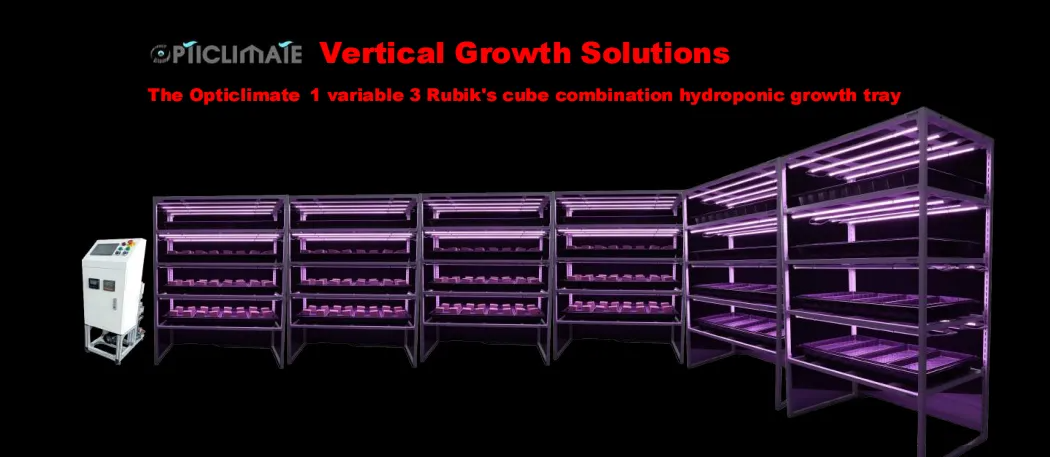
○ Vertical Towers or Racks The system complexity, materials (food-grade plastics, stainless steel), and degree of automation directly influence cost per square foot. Basic racks are one thing; fully automated seeding and harvesting systems are a whole different budget category.
● LED Lighting: A major cost center. Specialized horticultural LEDs aren't cheap. Price depends on factors like light intensity (PPFD), spectrum tunability (for different crops or growth stages), efficiency (impacts OPEX later), and brand reputation. Expect lighting to be potentially 25-40% of your initial equipment spend.
● HVAC & Environmental Controls: Precision is key for optimal growth. You need systems managing temperature, humidity (often requiring significant dehumidification), air circulation, and potentially CO2 levels. The more precise the control needed, and the greater the difference from outside conditions, the higher the cost.
● Automation & Software: Beyond basic grow systems, consider costs for sensors (monitoring nutrients, environment), control software, data logging, and potentially AI-driven analytics platforms for optimizing yields. Robotic systems for tasks like transplanting add another cost layer.
Keeping the Lights On (Operational Expenditures - OPEX)
Once you're set up, you have recurring monthly and yearly costs:
● Energy: Often the elephant in the room. Powering lights and climate control 12-16+ hours a day adds up. Your local utility rates, equipment efficiency, and facility insulation make a huge difference. This is frequently the largest single OPEX item.
● Labor: Even automated farms need people. You'll need skilled growers, technicians for system maintenance, staff for harvesting and packing, plus delivery, sales, and admin roles. Costs depend on local wages and the skill level required.
● Consumables: This bucket includes:
○ Seeds or starter plants (costs vary by crop type and source).
○ Nutrient solutions (buying pre-mixed vs. mixing your own salts impacts cost and labor).
○ Growing medium (like rockwool or coco coir, if not using pure hydroponics/aeroponics).
○ Water (including any necessary purification or filtration).
● Packaging & Distribution: Getting produce to buyers costs money. Consider food-grade packaging (clamshells, bags), labeling, and transportation (vehicle costs, fuel, driver time). Your target market (direct-to-consumer, restaurants, retail) shapes these needs.
● Other Overheads: Don't forget insurance (liability, crop loss), necessary business licenses and permits, software subscriptions, cleaning supplies, and ongoing maintenance parts.
How to Fund Your Farm
Finding the cash for both CAPEX and OPEX requires planning. Here’s a closer look at the common avenues:
● Bootstrapping: Self-funding with savings or loans from friends/family.
○ Pros: You keep full control and ownership. No need to answer to investors early on.
○ Cons: High personal financial risk. Growth might be slower due to capital constraints. Can strain personal relationships.
● Angel Investors & Venture Capital (VC): Private investors or firms providing capital.
○ Pros: Access to significant capital, potentially faster scaling. Investors often bring valuable expertise and network connections.
○ Cons: You will give up equity (ownership). Investors expect a return and influence decisions. Requires a very strong pitch, business plan, and growth potential. Finding the right partners is key.
● Grants: Government (like USDA programs - check Value-Added Producer Grants or SBIR/STTR for tech focus) or private foundation funding.
○ Pros: Non-dilutive capital (you don't give up ownership). Can add credibility.
○ Cons: Highly competitive application processes. Often project-specific with strict reporting rules. It can take a long time to secure. Not typically suited for covering all startup costs.
● Loans: Debt financing from banks, credit unions, or SBA-backed lenders.
○ Pros: You retain ownership (though assets might be collateral). Predictable repayment schedule.
○ Cons: Requires repayment with interest. Need good credit history and often a track record or significant collateral. Debt burden can be risky for a new venture. Explore specific options like SBA 7(a) loans or equipment financing.
There's no single "best" setup. The right choices depend entirely on your budget, the crops you intend to grow, your team's technical skills, and your target market.
Choosing Your Grow System
This is a fundamental decision. How will you deliver water and nutrients to your plants?
● Hydroponics (Growing in Nutrient-Rich Water):
○ Nutrient Film Technique (NFT): A thin film of nutrient solution flows over bare roots in channels. Great for lightweight leafy greens (like lettuce). It's relatively water-efficient but needs careful monitoring to prevent root clogs or dry spots if the flow stops.
○ Deep Water Culture (DWC): Plant roots hang suspended in an oxygenated nutrient solution. Often used for larger plants or those needing more root space. Temperature stability is good, but requires constant aeration and carries a risk of rapid disease spread if pathogens enter the water.
○ Drip Systems / Substrate-Based: Nutrient solution is dripped onto plants growing in an inert medium like coco coir or rockwool. Offers more buffer against system failures but involves managing the substrate.
● Aeroponics (Growing with Nutrient Mist):
○ Plant roots hang in the air and get sprayed with a nutrient mist.
○ Potential Upsides: Can offer the fastest growth rates and uses very little water. Excellent root oxygenation.
○ Potential Downsides: Highly sensitive to equipment failure (clogged nozzles, pump issues). System failure can kill plants quickly. Generally, higher setup costs and require more technical know-how.
● Aquaponics (Fish and Plants Working Together):
○ Combining raising fish (aquaculture) with hydroponics. Fish waste provides nutrients for plants; plants filter water for fish.
○ It's a more complex ecosystem to balance. Requires managing both fish health and plant needs. Can appeal to niche markets interested in the closed-loop system.
Getting the Lighting Right
We mentioned lighting is a big cost; it's also critical for growth. Forget standard light bulbs. You need specialized horticultural lighting, almost always LEDs now. Key factors include:
● Spectrum: Different colors (wavelengths) of light affect plant development (leaf growth, flowering). Some LEDs offer fixed spectrums optimized for general growth; others are tunable to adjust for specific crops or growth phases.
● Intensity (PPFD): How much light actually reaches the plants. Different crops need different intensities. Too little stunts growth; too much wastes energy.
● Efficiency (PPE): How effectively the light converts electricity into usable photons for plants. Higher efficiency means lower energy bills over time – a major OPEX factor.
● Form Factor: Lights come in bars, panels, and other shapes. The best fit depends on your racking system and crop layout.
Deciding on Automation
Automation isn't an all-or-nothing choice. It's a spectrum:
● Low Automation: Manual seeding, transplanting, harvesting, nutrient mixing, and environmental checks. Lower initial cost, higher ongoing labor cost. Feasible for very small or boutique farms.
● Medium Automation: Automated climate controls (temp, humidity, CO2), basic nutrient dosing systems, remote monitoring sensors. Strikes a balance for many startups.
● High Automation: Robotic systems for planting/harvesting, AI-driven climate optimization, predictive maintenance alerts, sophisticated data tracking. Very high CAPEX, aims to reduce labor OPEX and increase consistency. Needs skilled technicians for upkeep.
Shaping Your Operational Strategy
Technology is just one piece. How you run the farm matters just as much:
● Crop Selection: What will you grow? Leafy greens and herbs are popular starting points due to fast growth cycles and established methods. Microgreens offer quick turnover. Berries or fruiting crops are more complex. Your choice impacts system design, lighting needs, and marketability. Research local demand.
● Scale of Operations: Are you a small farm serving local restaurants, or a large facility aiming for grocery chain contracts? Scale affects your tech choices, staffing levels, required certifications, distribution network, and funding needs profoundly.
● Market Focus: Who buys your produce? High-end restaurants want pristine quality and maybe unique varieties. Retail requires consistent volume, specific packaging, and meeting grocery standards. Direct-to-consumer models need strong marketing and logistics. Tailor your operations to your chosen customer.
Building a vertical farm startup is a complex puzzle. You need the right pieces: serious capital, well-chosen technology, and a sharp operational plan. Nail down your costs and funding first. Then, align your grow systems, lighting, and automation with your specific goals.
Don't forget the business side – knowing your crops, your scale, and your customer is non-negotiable. Vertical farming looks cool, yes. Making it work takes more than just lights and racks. It takes a grounded, well-researched approach. Plan carefully. Execute smartly.

Copyright © 2026 OPTICLIMATE FARM LIMITED - opticlimatefarm.com All Rights Reserved.

