Where there is a plant factory, there is Opticlimatefarm.
Language
Where there is a plant factory, there is Opticlimatefarm.
Due to climate change, population growth and need for sustainable food production, the world struggles. In such condition, indoor farming has emerged as a revolutionary solution which allows for the cultivation of crops in controlled environment, always without soil and independent of weather conditions. A key component of this innovation is HVAC (Heating, Ventilation, and Air Conditioning) system which is crucial for ensuring and maintaining the optimal environment for plant growth.
· HVAC system help maintain the ideal Vapor Pressure Deficit (VPD) which is crucial in indoor farming. VPD influences how quickly plants transpire and absorb nutrients.
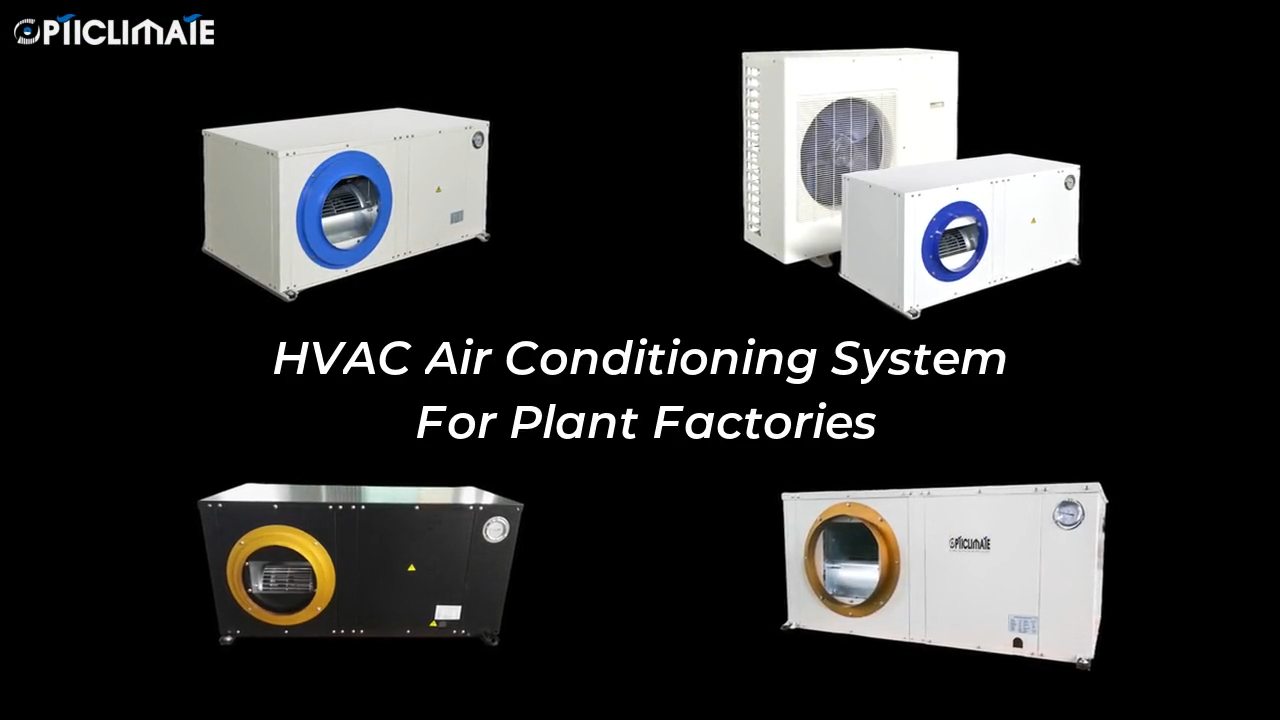
Efficient HVAC system consist of various components tailored to agricultural needs because it contributes to replicating nature. These components are;
Humidity control is one of the most important factors in designing and operating an indoor farm. The right amount of humidity is very important for the production of healthy plant. So humidifier and dehumidifier control the humidity level in indoor farming.
Heating and cooling units are essential to regulating the temperature according to the needs of the crops. These units guarantees the perfect growing environments irrespective of external weather.
Proper airflow in an indoor vertical farming is essential for the health and vigor of the crops. The flow of air is necessary to maintain plant transpiration which helps the plants to uptake water and nutrients. Ventilation system also ensures even distribution of heat and carbon dioxide.
In indoor farming, maintaining optimal carbon dioxide level is crucial to maximize the productivity of the plant. This system increase the level of carbon dioxide and increase the photosynthesis.
Your indoor farm can be powered by incorporating renewable energy sources like wind turbines or solar panels.
Adapt lighting levels to the specific need of various plants and stages. Use sensors to automatically modify lighting according to plant growth and light intensity.
Water efficiency can be increased by using HVAC system to collect condensation and use it for irrigation.
Vertical indoor farming presents an exciting solution to food production but it brings unique challenges for HVAC system. Unlike traditional farms, vertical indoor farming also require precise environmental control to manage crops grown in staked layers. Here are some HVAC challenges faced by vertical indoor farms:
Indoor vertical farming requires accurate control over temperature, humidity and ventilation to ensure optimal plant growth which leads to maximum energy consumption. Using smart thermostat, energy efficient equipment such as variable refrigerant flow system and zoning systems can significantly reduce energy consumption.
The high cost of installing an appropriate HVAC system is another concern. Installing a commercial climate management system requires upfront investment, which is difficult for small farmers and startups. To mitigate this challenge, the modular and scalable HVAC solutions is a best option which allow farmers to increase their system slowly as their business grows. Installation costs may also be reduced by government grants, agricultural subsidies, and energy efficiency rebates.
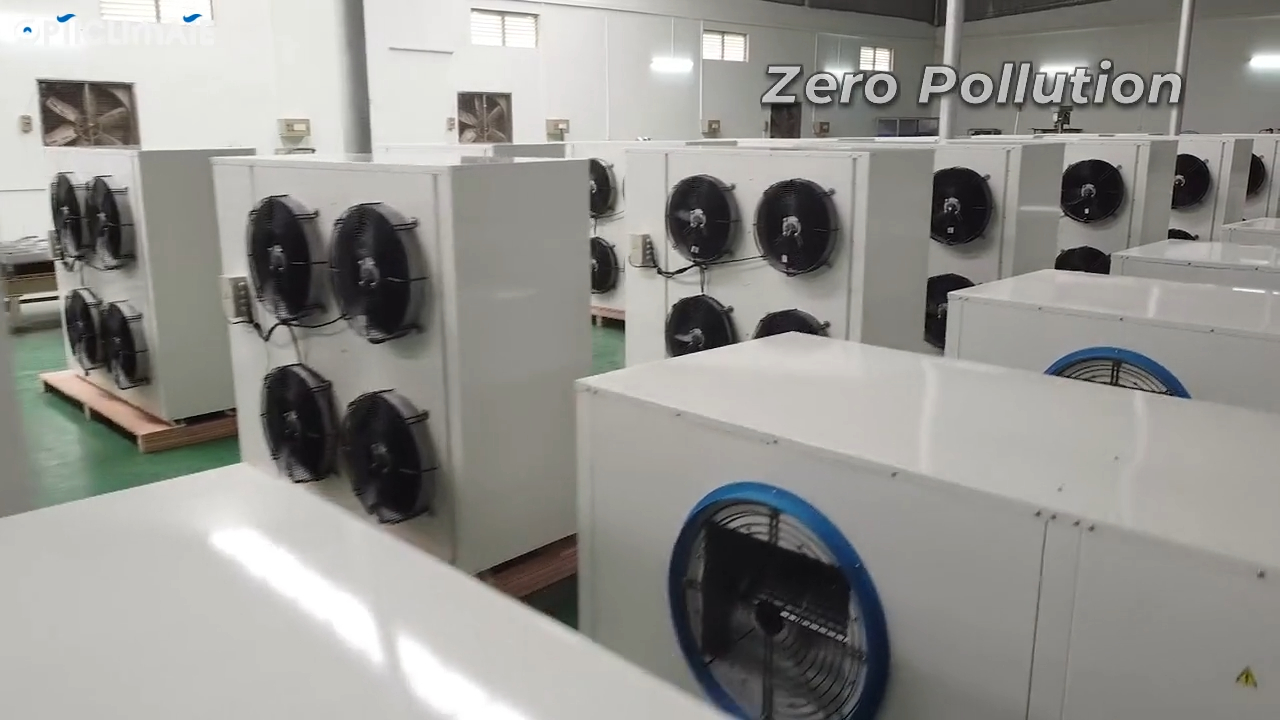
Innovative developments, particularly in automation and energy efficient designs will influence HVAC system in indoor vertical farming in the future. The development will be crucial in establishing farming environments that are both sustainable and extremely productive. One of the major development is smart automation which will enable system to regulate airflow, humidity and temperature with little assistance from humans. Here is a more detailed look at the expected advancements.
The future of HVAC technology will offer greater flexibility and efficiency through variable refrigerant flow system. These systems allow for precise temperature control in different zones within a building by adjusting the flow of refrigerant to match the heating or cooling demands of each space, resulting in energy saving.
Another renewable energy source shaping the future of HVAC technology is solar energy. As a clean and abundant resource, solar energy is a more sustainable way to power heating and cooling systems.
Indoor air quality is a growing concern. As we move into the future of HVAC technology, advanced air purification technologies will likely become a standard features of HVAC systems. These technologies can remove harmful particles and will improve indoor air quality.
The integration of artificial intelligence (AI) and the Internet of Things (IoT) presents a bright future for HVAC systems in indoor farming, allowing for improved efficiency, less environmental impact and ideal growing conditions. Through real time monitoring of vital parameters like temperature, humidity and light intensity made possible by this integration, automated climate control and resource optimization are made possible.
HVAC system are essential for maximizing productivity in indoor vertical farming by maintaining precise control over temperature, humidity, airflow and carbon dioxide levels. HVAC system ensures year-round crop consistency, regardless of external climatic conditions. As food demand and climate change grow, HVAC-enabled farming offers a dependable, scalable and resource conscious path forward for global food productivity.

Copyright © 2026 OPTICLIMATE FARM LIMITED - opticlimatefarm.com All Rights Reserved.