Where there is a plant factory, there is Opticlimatefarm.
Language
Vertical Farming is revolutionizing the way we grow food by taking agriculture to new heights – quite literally! Imagine crops being grown indoors, stacked on top of each other in layers, using advanced technology and sustainable practices. Interested in learning more about this innovative and efficient method of farming? Dive into our website to discover the future of agriculture with vertical farming!
Think farming needs vast open fields? Maybe not. Feeding our growing cities sustainably requires fresh thinking, moving beyond traditional methods that strain land and water resources. What if we could grow up, not just out?
We're exploring vertical farming, the practice of growing food in stacked layers, often indoors. We'll show you how this method could reshape food production.
What is vertical farming at its core? Put simply, it’s the practice of growing crops in vertically stacked layers. Think multi-story buildings, but for plants. Instead of sprawling fields needing acres of land, you grow upwards, often inside buildings, shipping containers, or specially made structures.
This method usually falls under Controlled Environment Agriculture (CEA). That means we precisely manage conditions like light, temperature, water, and sometimes even CO2 levels. Forget soil – many vertical farms use hydroponics (plant roots in nutrient-rich water), aeroponics (misting roots with water and nutrients), or aquaponics (combining fish farming and hydroponics).
The key difference from a regular greenhouse? The vertical stacking. Greenhouses might control the environment, but they typically grow on a single horizontal level. Vertical farming is all about maximizing plant production in a limited footprint by using vertical space.
Why do this? It allows for significant crop yields in small areas, making it suitable for urban locations closer to consumers. It’s about getting more food from less space, year-round, regardless of outside weather.
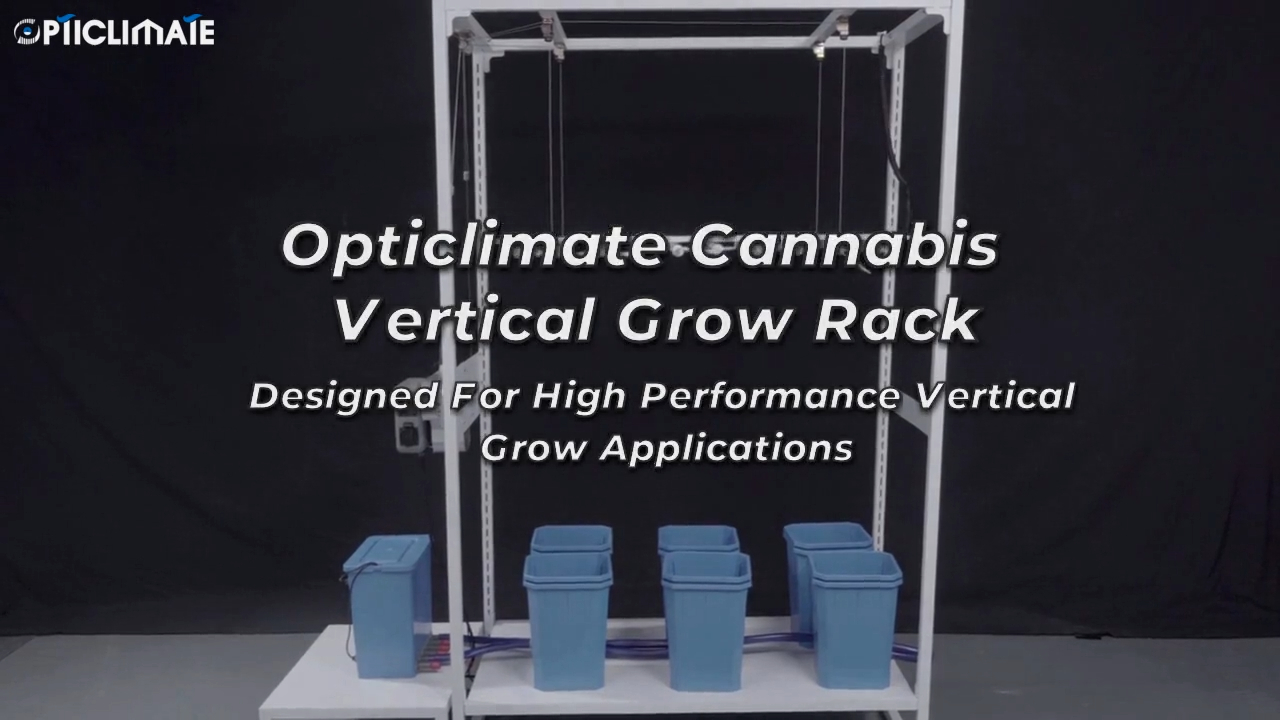
At its heart, vertical farming relies on a few key components working together seamlessly. Think of it as high-tech gardening, optimized for efficiency indoors.
First, you need the vertical setup itself. This usually involves shelving units, stacked trays, or sometimes columns or rotating racks. The goal is simple: fit as many plants as possible into the available vertical space, like a bookshelf for greenery.
Since sunlight often can't reach indoor layers, artificial light is critical. Most modern farms use LEDs (Light Emitting Diodes). Why LEDs? They are energy-efficient, give off little heat (important in a crowded space), and can be tuned to specific light spectrums that plants need for optimal growth. Different crops might get different "light recipes."
Forget traditional soil. Most vertical farms use soilless techniques for cleanliness, control, and efficiency:
● Hydroponics: Plant roots sit directly in, or flow through, nutrient-rich water. No soil needed, just the good stuff delivered straight to the roots.
● Aeroponics: This uses even less water. Roots hang in the air and get periodically misted with nutrient-dense water vapor.
● Aquaponics: A cool system combining fish and plants. Fish waste provides natural fertilizer for the plants, and the plants help purify the water for the fish.
Just like a high-tech greenhouse, vertical farms manage the internal environment precisely. Sophisticated HVAC systems control temperature and humidity. CO2 levels might be adjusted to boost plant growth. Sensors constantly monitor conditions, often feeding data into automated systems to make adjustments.
These systems are designed for water efficiency. Nutrient solutions are mixed precisely and delivered directly to the plants via the hydroponic or aeroponic setups. Many systems recycle water, significantly cutting down consumption compared to field agriculture. Automation often handles the monitoring and dosing of nutrients.
Understanding both sides helps paint a realistic picture of where vertical farming stands today and its future potential.
There are strong arguments for adopting this method, especially in certain contexts:
● Massive Space Efficiency: By growing up, you can multiply the effective growing area dramatically. Think 10x, 20x, or even more yield compared to the same land footprint used traditionally.
● Year-Round Harvests: Forget seasons. Inside a controlled box, you can grow 365 days a year, leading to predictable, consistent production regardless of blizzards or heat waves outside.
● Drastically Lower Water Use: Closed-loop systems, especially aeroponics and hydroponics, recycle water. This can mean up to 95% less water consumption compared to conventional field farming. A huge plus in water-scarce regions.
● Reduced Land Requirements: Grow food right in the city or on non-arable land. This frees up traditional farmland for other uses, potentially including rewilding, and cuts down habitat destruction.
● Local Food, Lower Emissions: Growing food near consumers slashes "food miles." This means less transportation (and associated carbon emissions) and often fresher produce for people.
● Minimal Pesticide Need: The closed, controlled environment keeps most pests and diseases out. This results in crops grown with few, if any, pesticides or herbicides.
● Weather Proofing: Vertical farms are immune to droughts, floods, frosts, and storms, offering a more reliable food supply chain component.
It's not all smooth sailing. Vertical farming faces some genuine obstacles:
● High Startup Costs: Building or retrofitting a space with racks, LEDs, climate control, and water systems requires a substantial initial investment. This can be a barrier to entry.
● Significant Energy Demand: Running powerful lights and HVAC systems 24/7 consumes a lot of electricity. This is perhaps the biggest operational cost and environmental concern, especially if the grid relies on fossil fuels. Sourcing clean energy is key.
● Limited Crop Types: Currently, vertical farms excel at growing leafy greens (lettuce, spinach, kale), herbs, and some small fruits like strawberries. Staple crops like wheat, corn, rice, or potatoes are generally not economically viable due to space and growth requirements.
● Technology Dependence: Operations rely heavily on complex systems. Power outages or equipment malfunctions can be catastrophic for crops without backups. Skilled technicians are needed to manage these systems.
● Pollination Needs: For fruiting crops, pollination (normally done by insects) must often be done manually, adding labor costs.
● Intensive Management: While automated, these systems require careful monitoring and management of nutrients, lighting, and climate to function correctly.
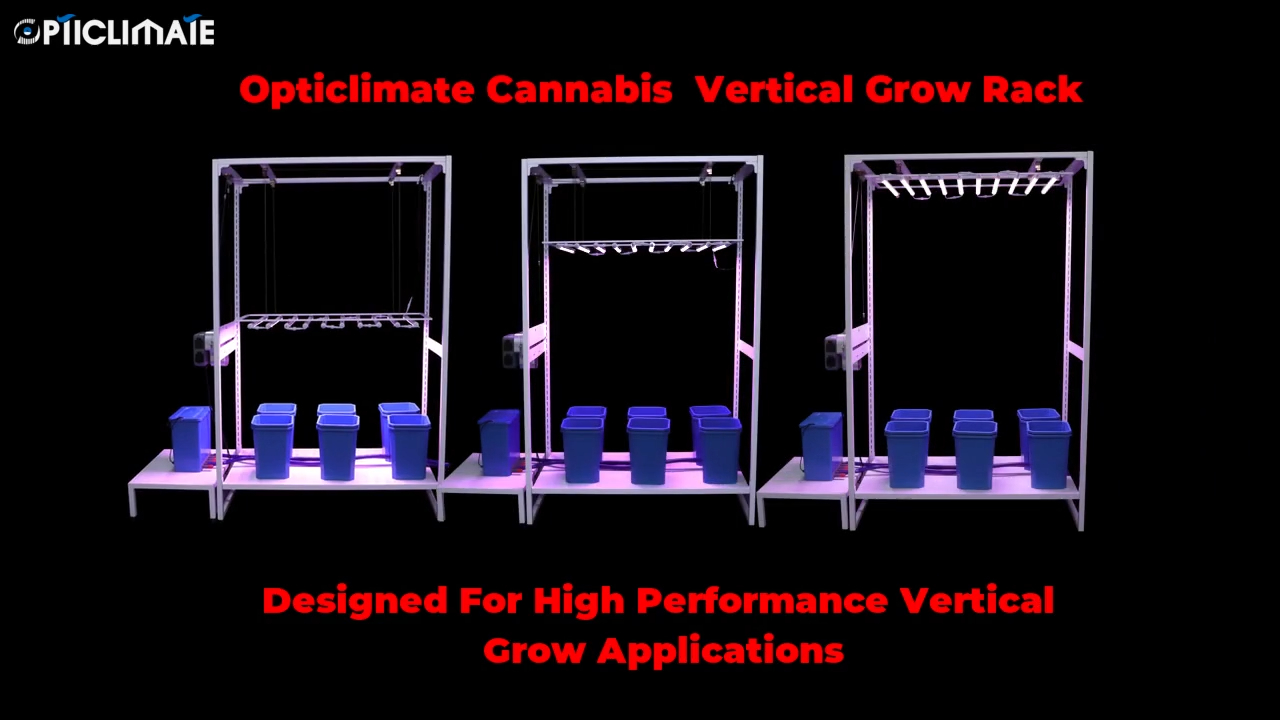
This isn't just theory; vertical farms are operating right now across the globe, from dense cities to research labs.
Vertical farms pop up in various forms:
● Dedicated Warehouses: Large, windowless buildings are often converted or purpose-built, packed floor-to-ceiling with growing systems. Think industrial scale.
● Shipping Containers: Repurposed containers offer modular, scalable solutions. You can place these almost anywhere with power and water access – great for local restaurants or community projects.
● In-Store Systems: Some grocery stores are even installing small vertical farms right inside, harvesting greens literally steps from the produce aisle.
Not everything thrives in a vertical farm setting, mainly for economic and practical reasons. The most successful crops usually have quick growth cycles, high market value per square foot, and work well in soilless systems. Here’s what you’ll typically find:
● Leafy Greens: This is the bread and butter. Lettuce of all kinds, spinach, kale, arugula, swiss chard – they grow fast, are always in demand, and love hydroponics.
● Herbs: Basil, mint, cilantro, chives, and parsley grow exceptionally well. Their high value makes them profitable for farmers supplying restaurants and grocery stores.
● Microgreens: These tiny, nutrient-packed seedlings are harvested just days after germination. They command a high price and are perfect for the quick turnover of vertical systems.
● Small Fruits: Strawberries are the most common fruit success story in vertical farms. Some operations experiment with dwarf varieties of tomatoes or peppers, though these can be trickier.
● Edible Flowers: Often grown for restaurants, these high-value, delicate crops benefit from the controlled, clean environment.
Vertical farming is still evolving, but its direction points towards smarter technology, wider applications, and potentially a bigger role in our food systems.
Expect to see vertical farms become more woven into city landscapes. We might see more building-integrated agriculture – farms designed directly into new residential or commercial buildings. The goal is truly hyperlocal food, grown just floors away from the consumer.
The technology itself keeps improving:
● Automation and AI: Robotics for tasks like seeding, monitoring, and harvesting will likely increase, reducing labor needs. Artificial intelligence could play a bigger part in fine-tuning light recipes, nutrient delivery, and climate for maximum yield and quality with minimal resource input.
● Energy Solutions: Addressing the high energy use is a top priority. Look for advances in LED efficiency, better building insulation, and more farms integrating directly with renewable energy sources like rooftop solar panels.
● Data-Driven Growth: Operators are collecting vast amounts of data. Analyzing this information will lead to a better understanding of plant needs and more efficient operations.
While greens and herbs dominate now, research continues into making more crop types viable for vertical farming. Work is ongoing to adapt more fruits, potentially root vegetables, or even protein sources like fungi or algae for these systems, though staples remain a distant goal.
As technology matures, the initial setup costs may gradually decrease, making vertical farms accessible to more communities or entrepreneurs. We'll likely see growth at both ends: massive regional hubs supplying large populations, alongside smaller, neighborhood-focused farms or even sophisticated home units.
Vertical farming offers a way to grow fresh produce consistently, independent of climate shifts or external disruptions. This makes it a valuable tool for strengthening food security, particularly in densely populated urban centers or regions facing water scarcity or unpredictable weather, challenges familiar to many parts of the world. It supports resilient, local food chains.
So, vertical farming presents a fascinating shift in how we think about growing food. It’s about using vertical space and controlled environments to produce crops, often right where people live. We've seen how it operates using stacked systems, LEDs, and soilless methods like hydroponics.
This approach offers compelling upsides: impressive yields in small areas, year-round harvests independent of weather, reduced water use, and fresher food with fewer miles traveled. Yet, it faces real hurdles, mainly concerning high startup costs and significant energy demands, plus limitations on the types of crops that make sense economically.
Vertical farming likely won't replace traditional agriculture wholesale. Instead, view it as a valuable addition to our food production toolkit. It's particularly well-suited for providing fresh greens and herbs locally and boosting food resilience, especially within cities or areas facing environmental pressures. It’s one part of building smarter, more adaptable food systems for the future.

Copyright © 2026 OPTICLIMATE FARM LIMITED - opticlimatefarm.com All Rights Reserved.

