Where there is a plant factory, there is Opticlimatefarm.
Language
Indoor Vertical Farming revolutionizes traditional agriculture by allowing plants to thrive in a controlled indoor environment. With advantages such as space optimization, year-round crop production, and reduced water consumption, learn more about how indoor vertical farming is shaping the future of sustainable agriculture.
Feeding a growing planet with less land and water sounds like a tall order. Yet, indoor vertical farming is doing just that, often using up to 95% less water than traditional fields. It’s changing how we think about growing food, bringing fresh produce closer to our communities.
The most obvious space saver? Growing up. Instead of sprawling fields, vertical farms use stacked layers, often inside buildings or shipping containers. Think skyscrapers for salads. This approach multiplies the growing area on the same small ground footprint. Forget needing acres; think cubic feet.
But stacking alone isn't the whole story. The real yield boost comes from total environmental control. You manage light, temperature, humidity, and even CO2 levels with precision. Plants get exactly what they need, right when they need it – no waiting for the perfect sunny day or worrying about frost.
Forget unpredictable sunlight. Tailored LED lighting provides the perfect spectrum and intensity, sometimes around the clock. Nutrient delivery is just as exact. Systems like hydroponics (using mineral solutions in water) or aeroponics (misting roots) feed plants directly. This means less waste and faster growth cycles. Better inputs mean better growth.
So, how do these systems push yields higher?
● Vertical Stacking: Multiplying grow space by building layers upwards.
● Optimized LED Lighting: Providing specific light recipes plants love, 24/7 if needed.
● Precise Nutrient Delivery: Feeding roots directly via hydroponics or aeroponics.
● Climate Control: Dialing in the perfect temperature, humidity, and air quality.
● Smart Crop Selection: Focusing on varieties that thrive indoors, like leafy greens and herbs.
The results often speak for themselves. Some vertical farms report crop yields per square foot that are vastly higher, sometimes even hundreds of times higher than conventional farms for certain plants. Leafy greens, herbs, and strawberries are common high performers in these setups.
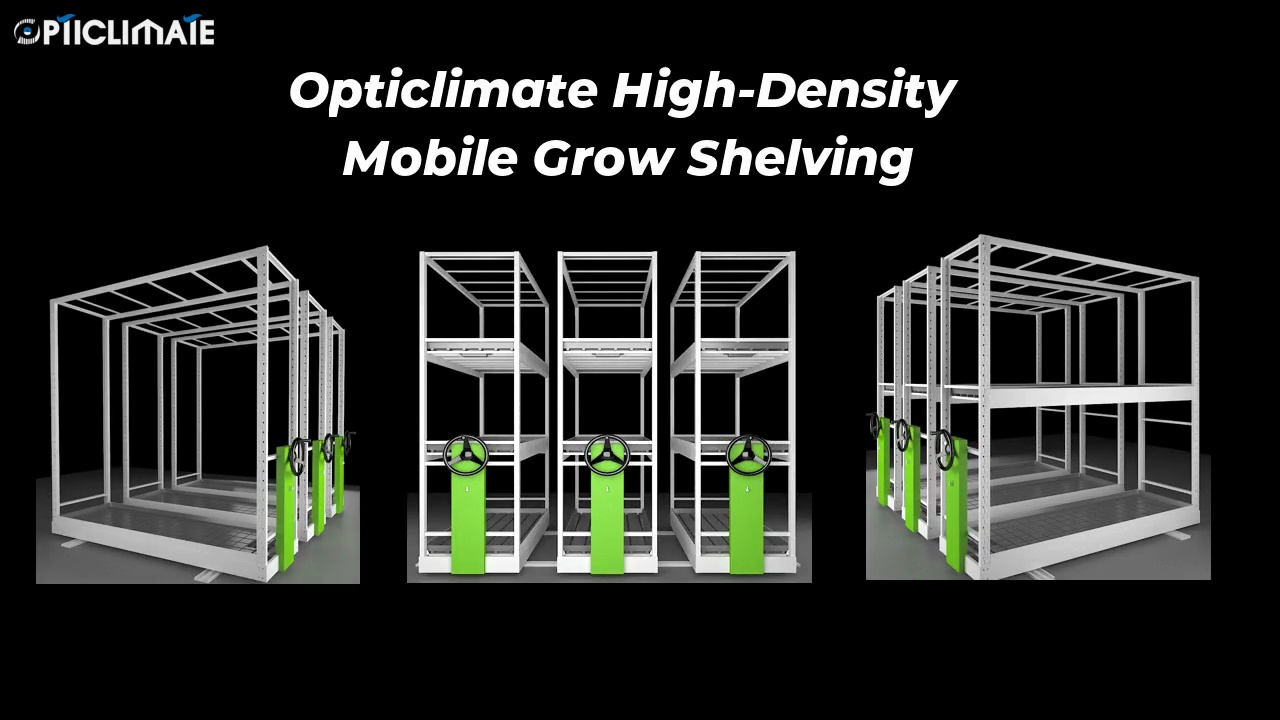
Ready for a stunning figure? Vertical farms can slash water consumption by 90 to 95 percent compared to growing the same crops in outdoor fields. Sometimes the savings are even higher. How is this possible? It begins with losing the soil and adopting closed-loop water systems.
Think back to hydroponics and aeroponics. Water, carrying precise nutrients, goes directly to the plant roots. There's minimal waste. What the plants don’t immediately absorb isn't lost to the ground; it's captured and recirculated right back into the system. It's a continuous cycle.
Contrast that with a typical open field. Water often sprays widely. A good portion evaporates before it even reaches the plant roots. More water runs off the surface, sometimes taking valuable topsoil with it. Vertical farming avoids nearly all that loss. The contained growing space helps significantly too.
Indoors, you manage humidity levels carefully. This reduces how much water plants naturally release through their leaves (transpiration). Plus, simple evaporation from surfaces is much lower than in fields exposed to sun and wind. It's a powerful combination for water conservation.
Key ways vertical farms conserve water:
● Recirculation: Using closed-loop systems that capture and reuse water repeatedly.
● Direct Delivery: Hydroponics and aeroponics apply water exactly where roots can absorb it.
● Reduced Evaporation: Controlled indoor climates limit water turning into vapor.
● No Runoff: Preventing water loss that typically carries away soil and nutrients outdoors.
This remarkable water efficiency opens doors. It makes farming practical in deserts or regions struggling with water scarcity. It’s a sustainable approach, putting far less pressure on local water supplies. You get fresh food with just a fraction of the water footprint.
Remember waiting months for your favorite berries to be in season? Or seeing grocery shelves looking bare for certain greens in winter? Vertical farming largely bypasses seasonality. Imagine harvesting crisp lettuce in freezing January or perfect basil during a scorching August, all grown right in your region.
This steady production hinges on that controlled indoor environment. Blizzards, heat waves, droughts, pests – they simply don't affect the crops inside. Optimized artificial light mimics a perfect sun, shining consistently regardless of the weather or time of day. Temperature, humidity, and CO2 remain at ideal levels for growth.
This level of control brings predictable harvests. Growers can forecast yields and harvest times with remarkable accuracy. This removes much of the uncertainty that traditional agriculture contends with daily. It allows for much tighter planning, from seeding schedules straight through to delivery. Consistency is key.
Often, growth cycles speed up too. Why? Plants receive perfect conditions around the clock, without stresses like chilly nights or overcast days slowing them down. Pro Tip: Some leafy greens grown this way can cycle from seed to harvest in just a matter of weeks, permitting many more harvests per year compared to outdoor methods.
What does year-round production deliver?
● Steady Supply: Access to specific fresh produce without seasonal gaps.
● More Stable Pricing: Reduces price swings often caused by weather damaging outdoor crops.
● Local Availability: Fresh food grown nearby is available regardless of the calendar month.
● Reliable Planning: Both growers and buyers benefit from dependable output schedules.
Growing fresh food 365 days a year contributes to a more resilient food system. It lessens the need for long-distance shipping during local off-seasons. Communities gain a more dependable source of nutritious food, week after week.
Concerned about chemical residues on your produce? Vertical farming offers a cleaner alternative. Because crops grow inside a tightly managed space, the requirement for synthetic pesticides often drops dramatically, frequently down to zero.
Think of the farm structure itself acting like a shield. Common outdoor pests struggle to get inside. Screened air filtration, controlled entryways, and strict hygiene rules for workers help maintain this protected growing zone. The physical barrier is step one.
Plus, these farms operate without soil. This instantly gets rid of weeds and numerous soil-based diseases and insects that challenge traditional farming. No soil means no need for herbicides and fewer reasons for many fungicides. It simplifies protection naturally.
Operators monitor the growing environment constantly. If a pest somehow appears, they typically turn to Integrated Pest Management (IPM). This prioritizes using beneficial insects or specific non-chemical tactics before even considering harsh sprays. Prevention remains the primary goal.
How vertical farms cut down on chemical use:
● Physical Barriers: Sealed buildings naturally exclude most common agricultural pests.
● Soilless Methods: Growing without soil removes weeds and soil-borne issues.
● Filtered Air & Water: Cleaning inputs prevents accidental pest or disease entry.
● Strict Protocols: Maintaining hygiene reduces the risk of people introducing problems.
● Integrated Pest Management (IPM): Preferring biological or physical controls if pests appear.
The outcome is produce grown with minimal, or usually no, synthetic pesticides or herbicides. This translates to cleaner food options for everyone. It also means better conditions for farm workers and less chemical impact on surrounding ecosystems.
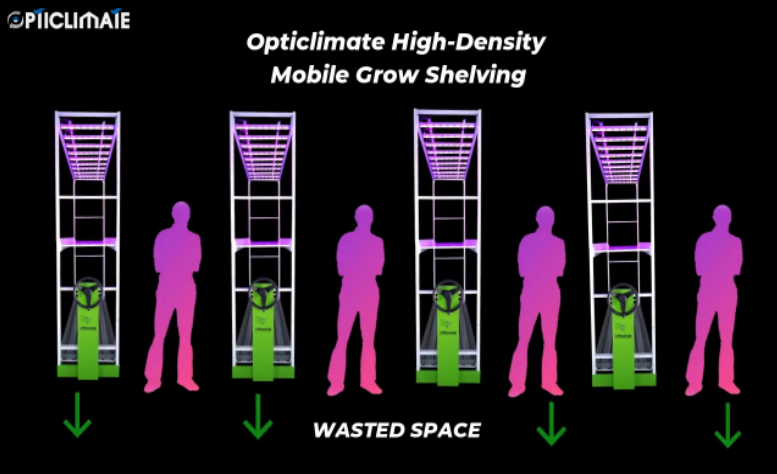
Consider where your typical supermarket produce originates. Often, it travels hundreds, sometimes thousands, of miles by truck, ship, or plane. This long haul burns fuel and means food loses freshness and nutrients before it even reaches your kitchen.
Vertical farms change this dynamic. Since they don't require vast open land or specific outdoor climates, they can operate almost anywhere. You can find them inside cities, within existing warehouses, or right next to distribution centers – much closer to where people live and shop.
This close proximity slashes "food miles." Produce journeys from harvest to sale point much quicker, sometimes within hours. This locks in peak freshness and flavor. It also significantly reduces food spoilage that occurs during lengthy transit, cutting down on waste.
Shorter trips mean fewer delivery trucks burning fuel for long distances. Cutting down transport directly lowers the carbon emissions linked to getting food onto store shelves and restaurant tables. It's a step towards a greener food supply chain.
Why shorter food journeys are better:
● Maximum Freshness: Food gets to you faster, retaining more nutrients and taste.
● Less Spoilage: Reduces waste from damage or decay over long transport routes.
● Lower Transport Footprint: Cuts carbon emissions associated with long-haul freight.
● Stronger Local Supply: Can support local economies and improve community food access.
Vertical farming stacks up impressive benefits. It offers intelligent ways to produce more food within compact spaces, using a fraction of the water traditional methods require. Production moves closer to population centers, operating continuously through every season.
You gain access to higher yields per square foot and consistent harvests unaffected by weather patterns. The food itself is cleaner, grown with minimal or zero pesticides. Combine these points with the shorter distances food travels from farm to table, and a compelling picture emerges.
Indoor vertical growing represents a potent approach for modern food production. It strengthens local food security and provides a sustainable option for nourishing communities. Keep an eye out; you'll likely see more fresh food growing up in unexpected places near you.

Copyright © 2026 OPTICLIMATE FARM LIMITED - opticlimatefarm.com All Rights Reserved.

