Where there is a plant factory, there is Opticlimatefarm.
Language
Imagine a world where fresh produce is grown right in the heart of your city, year-round. Welcome to the fascinating world of vertical farming! Curious to know more about this innovative agricultural practice and how it is revolutionizing the way we grow our food? Join me as we explore the ins and outs of vertical farming and discover the future of sustainable food production.
Imagine harvesting fresh produce year-round, right in the heart of the city. Seems futuristic, but vertical farming is making it a reality today. These operations grow crops in vertically stacked layers indoors, often slashing water use compared to traditional fields. We'll show you exactly how this method works from the ground up—or should we say, from the floor up?
Vertical farming means growing food indoors, stacking crops in layers, often one above the other. Think up, not out across vast fields. It's a different way to approach agriculture compared to traditional outdoor farming.
This practice fits into Controlled Environment Agriculture (CEA). That means operators manage everything the plants need. Light, water, temperature, and nutrients are all precisely controlled. No waiting on the sun or worrying about a sudden frost.
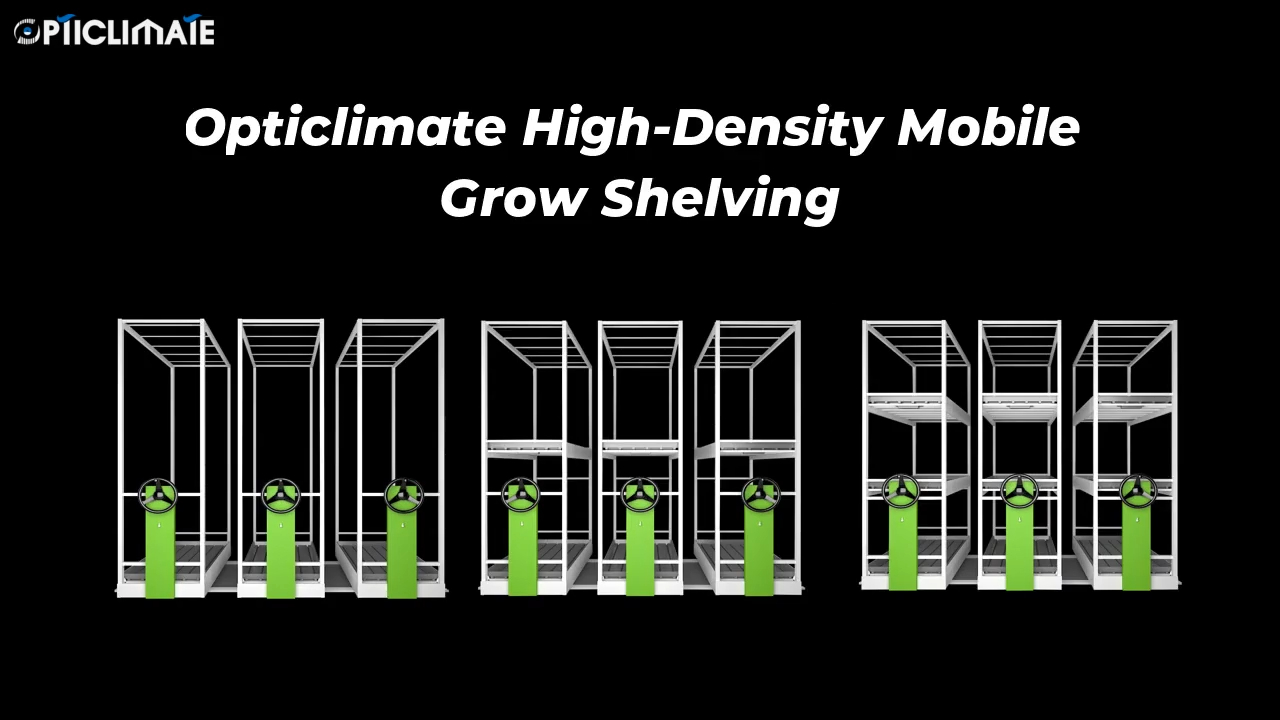
Plants grow vertically, perhaps on stacked shelves or within tall towers. Instead of soil, many systems use nutrient-rich water or even just a mist delivered to the roots. This setup lets growers make the most of limited space, perfect for urban settings where land is scarce.
You typically see crops like leafy greens, herbs, and some fruits thriving in these farms. They grow fast and are well-suited to the controlled, stacked systems. The goal? Fresh, local food year-round, produced more efficiently.
How do plants grow strong and healthy inside these stacked setups without any soil? Vertical farms use specific soilless cultivation methods. We'll look at the three main techniques you are likely to encounter: hydroponics, aeroponics, and aquaponics.
This is perhaps the most widespread approach in vertical farming. Hydroponics involves growing plants with their roots directly bathing in nutrient-rich water. No soil needed, just H₂O packed with minerals.
● How it works: Roots are either constantly submerged or periodically flushed with a water solution containing everything the plant needs to eat. Common setups include Nutrient Film Technique (NFT), where a thin film of water flows over roots, or Deep Water Culture (DWC), where roots hang in an oxygenated reservoir.
● Key Advantage: It's highly water-efficient since water recirculates. Growers have precise control over nutrient delivery.
● Heads-Up: If a waterborne plant disease appears, it can spread rapidly through the shared water system. Careful monitoring is key.
Aeroponics takes things a step further in water conservation. Plant roots hang suspended in the air within a chamber. A fine mist containing water and nutrients is sprayed onto the roots periodically. Believe it or not, NASA helped pioneer this method for growing plants in space.
● How it works: Specialized nozzles spray a nutrient solution directly onto the dangling roots. It's a very direct way to feed the plants.
● Key Advantage: Uses even less water than hydroponics. Roots get fantastic access to oxygen, which can boost growth rates.
● Heads-Up: The system depends entirely on the misting apparatus. If a pump fails or nozzles clog, roots can dry out, and plants can suffer very quickly.
Aquaponics is a fascinating blend. It combines aquaculture (raising fish or other aquatic animals) with hydroponics. It creates a symbiotic relationship where fish and plants support each other.
● How it works: Fish produce waste, which is rich in ammonia. Beneficial microbes convert this ammonia into nitrates – excellent food for plants. As plants absorb these nitrates from the water, they clean the water for the fish. It's a natural cycle.
● Key Advantage: Fish waste provides a sustainable source of nutrients for the plants. It's possible to harvest both plants and fish from one system.
● Heads-Up: Managing the needs of fish, plants, and the microbes all at once is a complex balancing act. It requires more know-how than hydroponics or aeroponics alone.
We know how vertical farms handle the roots and basic feeding without soil. But controlling the entire environment around the plants is just as important. These farms fine-tune the light, air, and specific nutrient mixes plants receive.
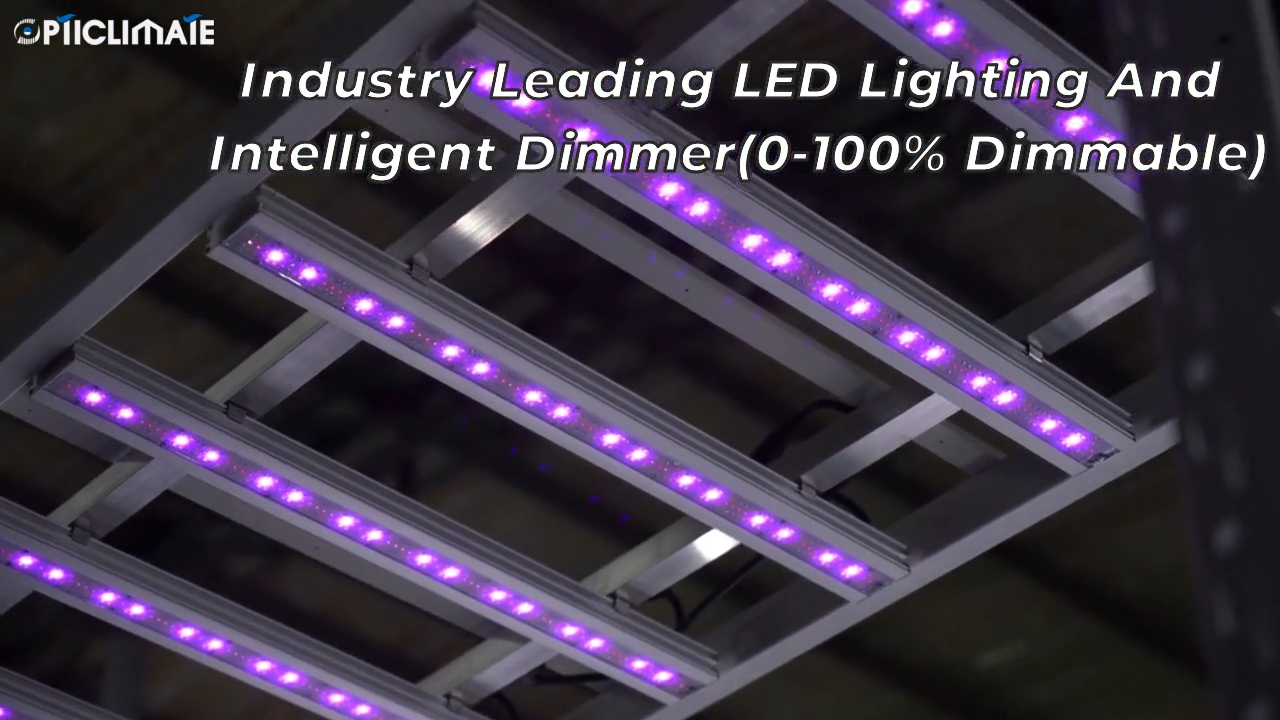
There's no natural sunlight deep inside a building. Vertical farms rely entirely on artificial lighting. The dominant choice? LEDs (Light Emitting Diodes), by a wide margin. They're favored because they are highly energy-efficient, have long lifespans, and produce minimal heat—a big plus when lights are close to plants in stacked layers.
What's really interesting is the use of specific light spectrums. Plants respond differently to various colors of light (reds and blues are key for growth). LEDs allow growers to create tailored "light recipes". They can adjust the light mix to optimize for leafy greens, promote flowering, or influence plant shape. It's precise illumination.
Just like light, the climate inside the farm is carefully managed. This includes temperature, humidity, and air circulation. Think of advanced HVAC systems working constantly. Maintaining stable conditions helps plants perform photosynthesis efficiently and reduces risks from pests or mold.
Some operations also add extra carbon dioxide (CO₂) to the air. Plants use CO₂ to build themselves during photosynthesis. Providing more CO₂ (when light and nutrients are sufficient) can actually speed up plant growth. The goal is to create the absolute ideal atmosphere for the crops, day in and day out.
In hydroponic and aeroponic setups, delivering nutrients isn't a guessing game. Plants receive a precisely formulated liquid solution containing all the essential macro- and micronutrients. Too much or too little of any one nutrient can cause problems.
● Vital Checks: Growers constantly monitor two key metrics in their nutrient solution: pH (its acidity or alkalinity) and EC (Electrical Conductivity). EC indicates the total amount of dissolved nutrient salts. Keeping pH and EC in the optimal range ensures plants can effectively absorb the food provided.
● Automation Helps: Modern farms often use sensors linked to computer systems. These monitor environmental factors and nutrient levels, automatically making adjustments as needed. This leads to greater consistency and can reduce labor needs.
This high-tech approach to growing food offers some compelling advantages. Yet, it's not without its challenges. Understanding both sides gives you a clearer picture of where vertical farming shines and where it faces hurdles.
The Upsides:
● Year-Round Harvests, Anywhere: Forget seasons or bad weather. Vertical farms produce crops consistently 365 days a year. This allows for predictable yields and stable local food supplies, even in harsh climates or cities.
● Impressive Resource Efficiency: Compared to traditional agriculture, the water savings are huge – often cited as up to 95% less water used due to recirculation. Growing upwards also means needing drastically less land area per pound of produce.
● Super Local Production: Farms can operate right in or near urban centers. This slashes transportation distances (food miles), potentially delivering fresher, more nutritious produce to consumers and reducing transport emissions.
● Controlled Growing Conditions: The sealed indoor environment naturally protects crops from pests and diseases. This often means little to no need for pesticides or herbicides, resulting in cleaner produce.
The Downsides:
● High Energy Consumption: This is a big one. Powering the intense LED lighting and maintaining precise climate control demands substantial amounts of electricity. The sustainability factor here heavily depends on the farm using clean, renewable energy sources.
● Significant Initial Investment: Setting up a commercial-scale vertical farm requires considerable capital. The technology – sensors, lights, automation systems, building infrastructure – is expensive.
● Reliance on Technology: These farms are complex systems. A technical glitch, like a pump failure, nutrient imbalance, or power outage, can have rapid and devastating effects on the crops if not addressed instantly.
● Limited Crop Variety (Currently): While great for leafy greens, herbs, microgreens, and some fruits like strawberries, growing staple crops (think wheat, rice, corn, potatoes) isn't economically viable in vertical farms today due to space, energy, and pollination needs.
● Need for Expertise: Running a vertical farm effectively requires knowledge in plant science, engineering, and data management. It's not a simple plug-and-play.
Vertical farming has advanced significantly, but the innovation is far from over. Driven by technological progress and the increasing need for sustainable, local food sources, the sector continues to develop. Here’s a glimpse of what we might see next.
Expect smarter farms with more automation and AI. We're likely to see increased use of robotics for tasks like seeding, transplanting, monitoring, and harvesting. Artificial intelligence could play a bigger role in analyzing sensor data to optimize growing conditions – light, water, nutrients, climate – in real-time for each specific crop, boosting yields and consistency.
Addressing the energy footprint is critical. Future developments will focus on even more energy-efficient LED lighting technology. We'll also see tighter integration with renewable energy sources, like on-site solar or wind power, to make operations more sustainable and economically viable, tackling one of the biggest current criticisms.
Work continues on expanding the range of crops that can be successfully and economically grown indoors. While leafy greens and herbs are the mainstays now, research aims to adapt vertical farming techniques for a wider variety, possibly including more fruits, root vegetables, mushrooms, or even alternative protein sources.
Look for deeper integration of vertical farms into building and city infrastructure. Imagine farms incorporated into residential or office buildings, potentially using waste heat or recycled water resources. They could become integral parts of sustainable urban planning and development, making food production hyper-localized. Reducing both setup and operational costs through technological refinement and economies of scale will also be a major focus.
So, vertical farming truly means growing up, not out. It shifts food production indoors into stacked systems, relying on technology like hydroponics or aeroponics, artificial lighting, and precise climate management rather than soil and open fields.
This method presents powerful solutions for year-round local food production, achieving significant water savings and maximizing space. But it also contends with high energy demands, substantial setup costs, and limitations on the types of crops best suited for current systems.
It won't substitute for all traditional farming. View it as an innovative component of our diverse food system, especially valuable for urban environments. Vertical farming continues to develop, actively shaping new possibilities for how we grow and access fresh food.

Copyright © 2026 OPTICLIMATE FARM LIMITED - opticlimatefarm.com All Rights Reserved.

